If your first-time fix rate is stuck and you have already tried more training, the
problem is probably not how much you train. It is that the training does not last
to the call. The tech learned the procedure, the certificate is filed, and by the
time the work order lands the steps have blurred. First-time fix is the number that
slips, quietly, between the classroom and the unit.
First-time fix rate is a memory metric
First-time fix measures one thing: can the tech do the job right, on site, without a
second visit. That is a capability question, and capability lives in memory. A
procedure that was real on training day decays on a predictable curve, so the
question is never whether the tech once knew it. The question is whether it is still
there when the customer is watching the clock. This is the same gap that governs
all field service training
: completion is not capability.
The annual certification was built for the first job, delivery and compliance, not
the second one. Hosting a course and moving first-time fix are different problems,
and the certification only ever solved the first.
Why delivery does not move the number
Most attempts to lift first-time fix add more delivery: a longer onboarding, a
refresher, another module in the portal. Delivery feels like progress and barely
moves the metric, because the forgetting curve does its work in the weeks after,
when nothing is reinforcing the skill. The refresher you ran in March is gone by
the call in May, the same way the original course was. (The science, in plain
terms.
)
First-time fix is never only a memory problem. Parts availability, dispatch
accuracy, and site access move it too, and no training touches those. But the slice
training owns, the tech who arrives without the procedure in hand, is exactly the
slice more delivery keeps failing to fix. That slice responds to a different
mechanism: being made to recall and apply the procedure, spaced over time, so it is
still there at the call. That is the kind of practice that closes the gap between
certified and capable.
How HeyLoopy moves first-time fix
HeyLoopy does not replace your training. It keeps the procedures behind your
first-time fix rate from decaying between jobs.
Drills from your own procedures. Short drills built from the service bulletins,
SOPs, and OEM procedures you already run on, so the tech practices the actual fault,
not a generic library. (How the drill loop works.
)
Retrieval on a spaced schedule. About sixty to ninety seconds, one question at a
time, returned to across the weeks between calls, because that is what fights the
curve and keeps the procedure available when it counts.
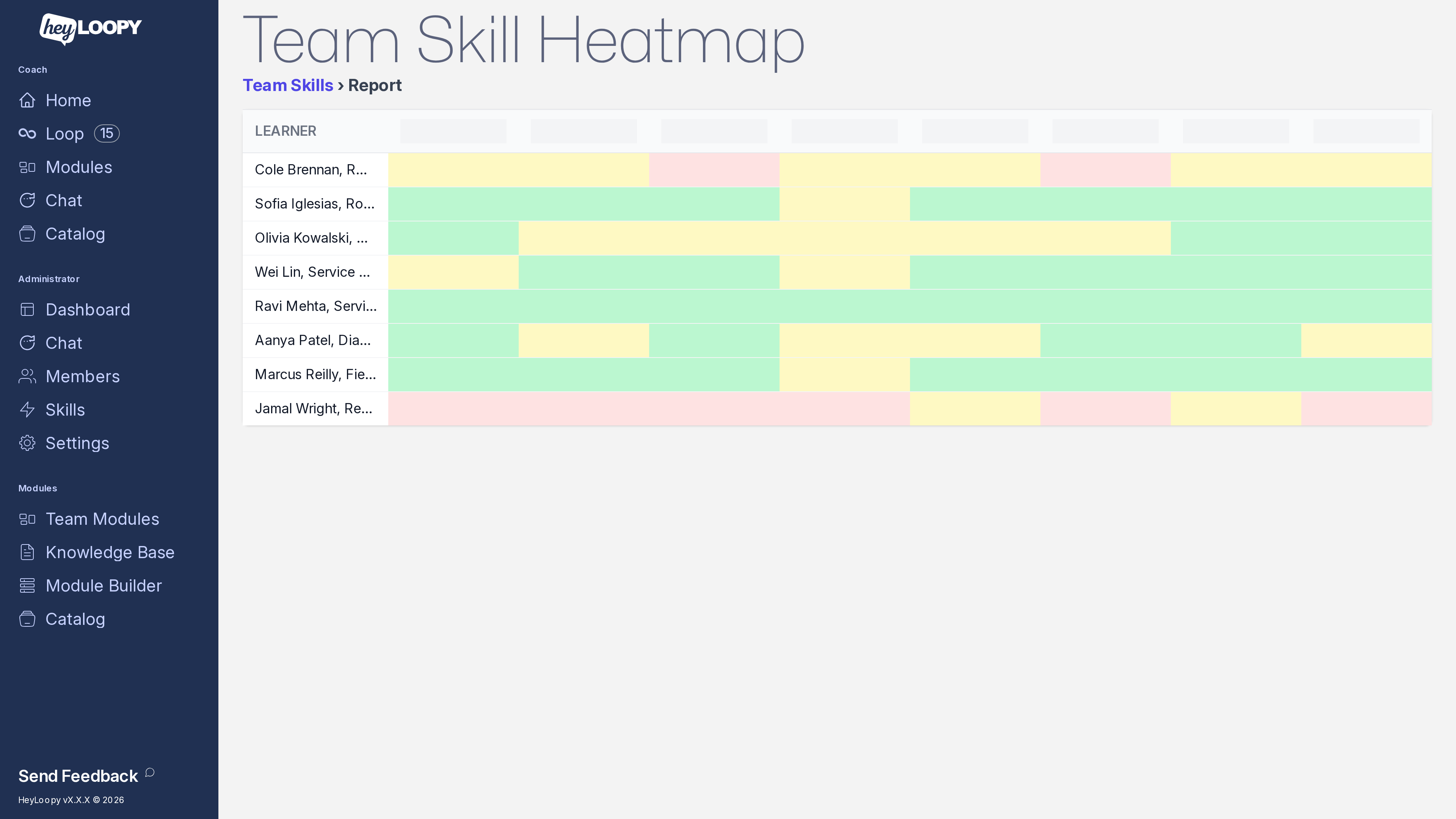
Readiness you can see. A per-role, per-product-line mastery view, so a slipping
procedure is a trend you catch before it becomes a
repeat truck roll
, not a number you
explain after.
You will keep certifying your techs. The question is whether the procedure holds to
the call or fades on the curve. Start free on your worst recurring fault, and watch
the first fix start to hold.