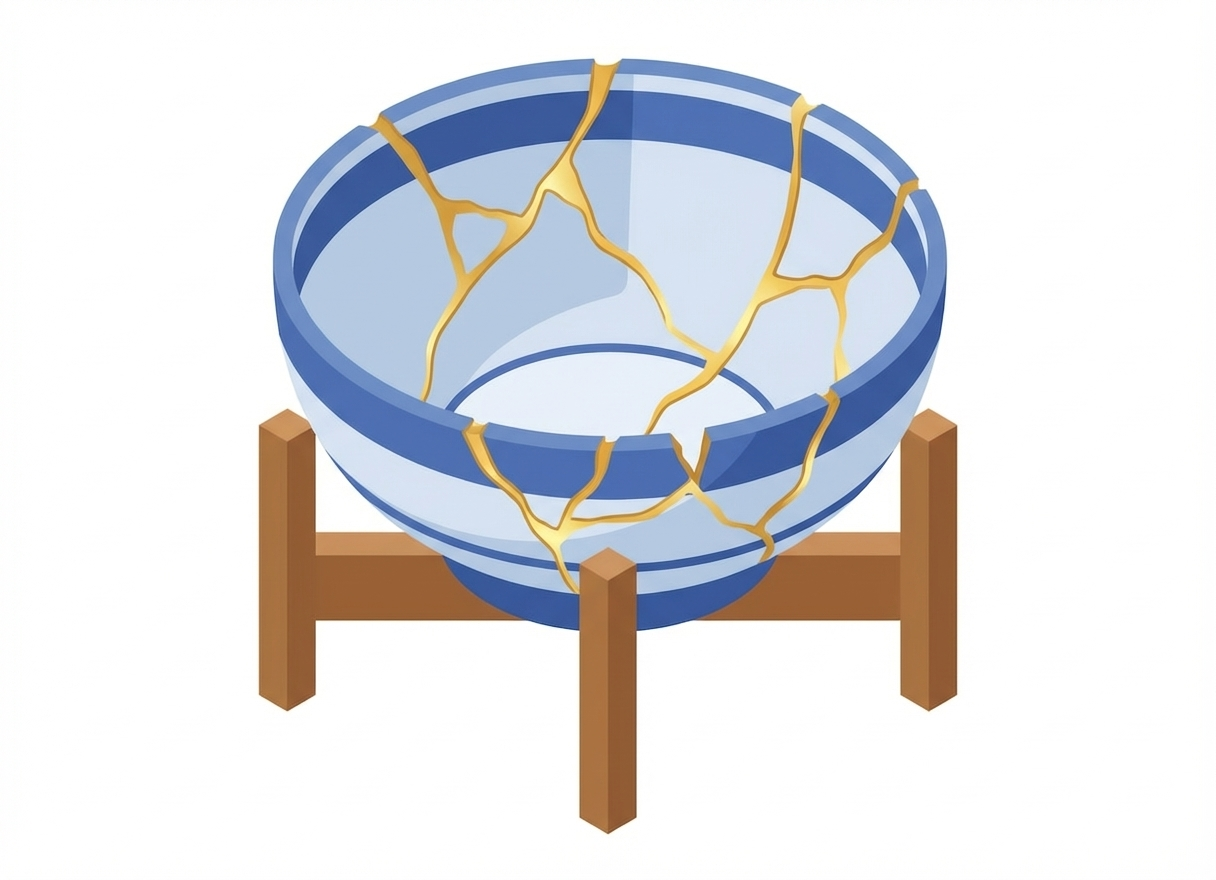
The Art of the Clean Apology: turning a screw-up into a loyalty engine
You messed up.
Maybe you missed a deadline. Maybe you snapped at an employee in a meeting. Maybe your product shipped with a critical bug that crashed your client’s website.
The specific details do not matter. What matters is the pit in your stomach. What matters is the instinctive urge to run and hide.
Most business leaders are terrible at apologizing. We are trained to project strength. We are trained to minimize liability. So when we are forced to say sorry, we use weasel words.
“I am sorry if you felt offended.”
“Mistakes were made.”
“We regret the inconvenience.”
These are not apologies. These are insults. They are defensive maneuvers designed to protect the ego of the speaker rather than heal the hurt of the listener.
And they destroy trust faster than the original mistake ever could.
But there is a different way. There is a way to apologize that not only fixes the problem but actually leaves the relationship stronger than it was before the error occurred.
It is called the Clean Apology.
It is a specific protocol that strips away the defensiveness and exposes the humanity of the leader. It is terrifying to execute. But it is also a superpower.
We need to dissect the anatomy of a bad apology so we can build a good one. We need to understand why vulnerability is the ultimate power move.
The Anatomy of a Non-Apology
The most common mistake in apologizing is the inclusion of the word “but.”
“I am sorry I yelled, but I was really stressed.”
“I am sorry the product failed, but the vendor sent us bad parts.”
The word “but” is a eraser. It deletes everything that came before it. When you say “but,” you are telling the other person that you are not actually sorry. You are telling them that you are a victim of circumstance.
You are asking them to comfort you for your mistake.
Another trap is the “if” apology.
“I am sorry if I hurt your feelings.”
This shifts the blame to the receiver. It implies that their feelings are the problem, not your actions. It suggests that a more rational person would not have been hurt.
These tactics are biological defense mechanisms. Our brains are wired to preserve our status. Admitting fault feels like a status drop. It feels like submission.
So we fight back with “buts” and “ifs.”
To apologize like a pro, you have to override this biological coding. You have to accept the temporary status drop to secure the long term relationship.
The Three Parts of a Clean Apology
A Clean Apology has three distinct components. It requires no “buts.” It requires no “ifs.” It stands alone.
Component 1: The Unconditional Admission
State exactly what you did wrong. Be specific. Do not be vague.
“I missed the deadline.” “I spoke over you in the meeting.” “I shipped a product that was not ready.”
This is the hardest part. It requires you to look at the ugly thing you created and claim it as yours.
Component 2: The Impact Acknowledgement
Show that you understand the cost of your mistake. This demonstrates empathy. It shows that you are not just sorry for getting caught; you are sorry for the pain you caused.
“Because I missed the deadline, you had to work all weekend.” “Because I spoke over you, the team missed out on your idea and you felt undervalued.” “Because the product failed, you lost revenue.”
When you articulate the pain, the other person feels seen. Their anger often evaporates because they no longer have to fight to make you understand.
Component 3: The Repair Plan
An apology without action is just noise. You must explain how you will fix it or how you will prevent it from happening again.
“I have cleared my schedule to finish the report by tonight.”
“I am going to practice active listening and I want you to call me out if I interrupt again.”
“We have implemented a new QA protocol to ensure this bug never ships again.”
This turns the apology from a passive regret into an active solution.
The Paradox of the Service Recovery
There is a phenomenon in business known as the Service Recovery Paradox.
Data shows that a customer who has a problem and receives a fantastic resolution will often end up more loyal than a customer who never had a problem at all.
Why?
Because perfection is boring. Perfection is expected. But recovery is emotional. Recovery shows character.
When you own a mistake with a Clean Apology, you are proving to the customer or the employee that you care more about them than you care about your own ego.
You are proving that you are safe.
I once worked with a founder who sent an email to his entire company admitting he had made a strategic error that cost them a bonus. He didn’t blame the market. He didn’t blame the sales team. He said, “I made a bad bet. Here is what I learned. Here is how we are going to fix it.”
Instead of a revolt, he got a standing ovation at the next all hands meeting.
His vulnerability created a surge of loyalty. The team realized he was in the trenches with them, bleeding with them, and honest with them.
Timing is Everything
A delayed apology is a denied apology.
The longer you wait, the more the other person stews. They start to invent narratives about why you haven’t spoken up. They think you don’t care. They think you are arrogant.
You need to apologize the moment you realize the error.
Do not wait for the perfect time. Do not wait until you have the perfect solution. It is okay to say, “I messed up. I am still figuring out how to fix it, but I wanted to acknowledge it immediately.”
Speed signals priority.
If you wait a week to apologize to a client, you are telling them they are low on your list. If you call them five minutes after the crash, you are telling them they are the most important thing in your world.
The Discomfort of the Aftermath
After you deliver a Clean Apology, you have to do something very difficult.
You have to shut up.
You have to let the other person react. They might still be angry. They might need to vent. They might not forgive you immediately.
That is their right.
Your job is not to manage their reaction. Your job is to deliver the truth and the repair. If you apologize and then demand forgiveness, you have undone the work. You have made it transactional.
“I said sorry, now you have to be nice to me.”
No. They don’t.
You have to sit in the discomfort. You have to let them process. Usually, if you hold that space without getting defensive, they will come around. They will see your sincerity.
Building a Culture of Ownership
When you, the leader, apologize openly and cleanly, you set a new standard for your culture.
You make it safe for others to apologize.
You replace the culture of cover ups with a culture of ownership. Your junior employees stop hiding their mistakes because they see that the boss doesn’t hide his.
This increases the velocity of your business. Problems are surfaced faster. Solutions are found quicker. The energy that was wasted on politics and blame shifting is redirected toward growth.
It takes immense courage to stand in front of a room or get on a Zoom call and say, “I was wrong.”
It feels like a death. And in a way, it is. It is the death of the fake, perfect persona you have been trying to maintain.
But what is born in its place is something far more valuable.
Trust.
And trust is the currency that buys you a business that lasts.







