The Economy of Thanks: why recognition is a stronger currency than cash
There is a misconception in business that the only language employees speak is money.
We assume that if we want more effort, we have to pay for it. If we want loyalty, we have to buy it. So we rely on the annual bonus. We rely on the generic gift card at Christmas.
And then we are shocked when the person who got the biggest bonus quits two months later.
Why does this happen?
Because money is a hygiene factor. It prevents dissatisfaction, but it does not create satisfaction. Money pays the rent. It does not feed the soul.
Human beings crave something deeper. We crave validation. We crave the feeling that our existence matters to the tribe. We want to be seen.
Recognition is the cheapest, most effective, and most underutilized tool in the manager’s toolkit. It costs zero dollars to say “I see what you did.” Yet, we treat it like a scarce resource.
We need to stop rationing gratitude. We need to build an engine of appreciation that runs on personalization, not payroll.
The Biology of Being Seen
When someone receives a sincere, specific compliment, their brain releases dopamine and oxytocin. These are the bonding chemicals. They create a feeling of safety and attachment.
When you hand someone a check, they feel a momentary spike of pleasure, but it is transactional. It feels like an exchange. “I gave you labor, you gave me cash. We are even.”
When you give someone recognition, it feels relational. It says, “I noticed you. I value you.”
This creates a debt of gratitude. It makes the employee want to work harder, not because they have to, but because they want to validate your belief in them.
However, for this biology to work, the recognition must be authentic. If you walk around the office giving everyone a generic “Great job!” it becomes white noise. It feels manipulative.
To unlock the power of recognition, you have to master the art of specificity.
The Specificity Rule
“Good job” is a lazy compliment. It tells the employee nothing about what they actually did right. It feels like a pat on the head.
To make recognition stick, you must use the Behavior-Impact model.
- Behavior: What exactly did they do?
- Impact: Why did it matter?
Instead of saying “Good job on the presentation,” say:
“The way you structured the data in the second slide (Behavior) really helped the client understand the ROI, and I think that is the reason they signed the contract (Impact).”
This is powerful because it reinforces the specific behavior you want to see again. It proves you were paying attention. It shows you understand their craft.
When an employee hears this, they think: “My boss actually gets it.”
The Architecture of Creative Thanks
So, if we aren’t using cash, what are we using? Here are four low-cost, high-impact recognition strategies.
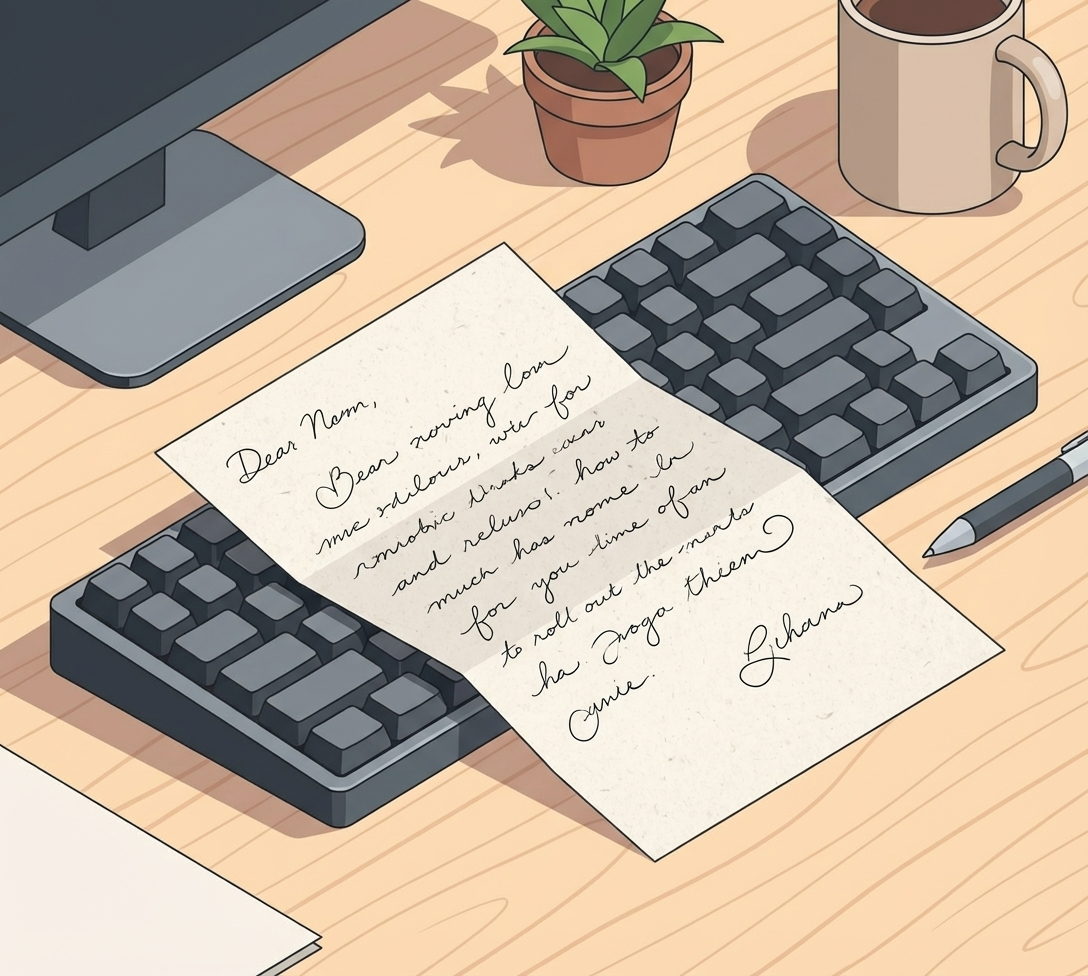
1. The Hand-Written Note In a digital world, ink on paper is a luxury good. An email is easily deleted. A Slack message scrolls away. A hand-written card sits on a desk for years.
Buy a stack of quality cards. Once a week, write one note to one employee. Be specific. “I saw you stay late to help Mark. That kind of teamwork is what makes this company special.”
I have walked into offices of former employees years later and seen my notes still pinned to their corkboards. You cannot buy that kind of real estate in someone’s mind.
2. The Public Call-Out Some people love the spotlight. For them, recognition needs an audience.
Start your all-hands meeting with “Shout-Outs.” But do not just do it yourself. Create a culture where peers recognize peers.
“Does anyone have a shout-out for a team member who helped them this week?”
When a peer says “Thank you,” it often means more than when a boss says it. It strengthens the horizontal bonds of the team.
3. The Gift of Time Time is the most precious resource we have. Giving it back is a profound act of respect.
If a team just finished a grueling project, do not give them a pizza party. Give them Friday off. Send an email on Thursday afternoon: “You guys crushed it. Take tomorrow. Go be with your families. Do not log in.”
This signals that you see them as humans, not just production units.
4. The Customized Reward This requires you to know your people. If you give a bottle of wine to a recovering alcoholic, you have done damage. If you give a Starbucks card to a coffee snob, it is wasted.
Find out what they love. Do they have a dog? Get a high-end treat from a local bakery. Do they love sci-fi? Get a limited edition book.
A twenty-dollar gift that shows you know their hobbies is worth more than a five-hundred-dollar bonus that shows you know nothing about them.
The Boss’s Boss Email
Here is a secret weapon. It is called the Skip-Level Thank You.
When a junior employee does something great, write an email to them, but copy your boss (or if you are the owner, copy their spouse or partner, if appropriate and you know them).
Better yet, if you have a Board or an Advisor, send an email to the employee and cc the Board member saying, “I just wanted to make sure the Board knew about the incredible work Sarah did on this project.”
This elevates their status. It gives them visibility at a level they cannot access on their own. It makes them feel like a rising star.
Recognizing the Invisible Work
Most recognition goes to the people who score the goals—salespeople, product launchers, presenters.
But your business runs on the backs of the people who get the assists. The ops manager who fixed the wifi. The support rep who de-escalated a crisis. The developer who refactored the code so it wouldn’t break next month.
This is Invisible Work. If you do not recognize it, it stops happening. And when it stops happening, the business breaks.
Make a conscious effort to hunt for the quiet wins. Walk over to the person who keeps the trains running on time and say, “I know nobody notices when things go right, but I do. Thank you for keeping us stable.”
This breeds immense loyalty among the operational staff who often feel neglected.
The Consistency Challenge
The problem with recognition is entropy. We get busy. We forget. We assume people know we appreciate them.
They don’t.
You have to operationalize gratitude. Put a recurring reminder on your calendar. “Friday at 4 PM: Send one thank you note.”
Make it a KPI for your managers. Ask them in your one-on-ones: “Who did you recognize this week?”
If you treat recognition as a discipline rather than a mood, you will build a reservoir of goodwill that you can draw upon when times get tough.
When a crisis hits, employees will stick with a leader who has consistently made them feel valued. They will leave a leader who only notices them when they screw up.
The Ripple Effect
When you start doing this, the strangest thing happens.
The team starts doing it to each other.
Gratitude is contagious. By modeling the behavior, you give permission for everyone else to express appreciation. The tone of the office softens. The friction decreases. People start looking for the good in their colleagues rather than the bad.
You create a culture of abundance.
And in a world that is constantly telling us we aren’t enough, being the place where people feel like they are more than enough is a competitive advantage that no amount of venture capital can buy.







