The Mechanics of De-escalation: scripts that work
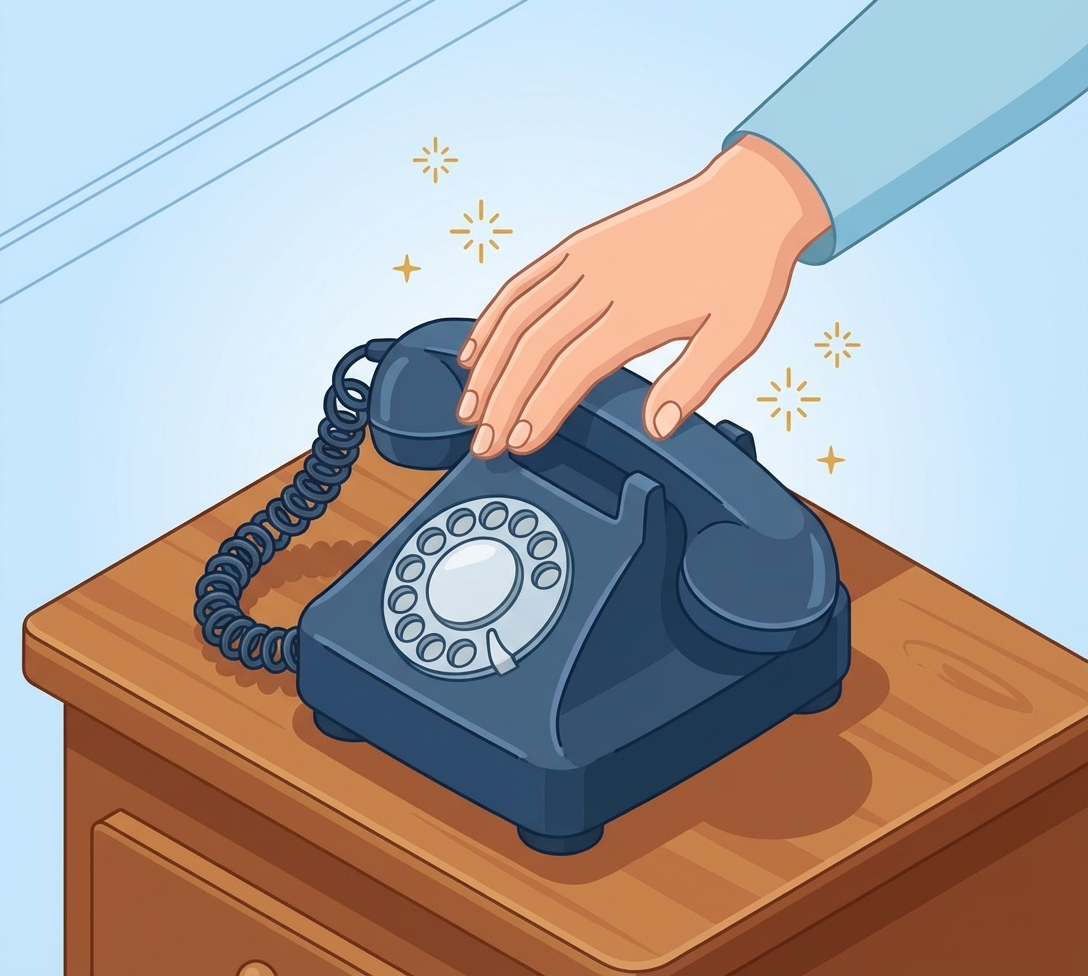
The phone rings.
You glance at the caller ID.
Your stomach drops.
It is that client. The one who sent the furious email at 2 AM. The one whose project is currently stalled because of a vendor delay you could not control. The one who has a reputation for shouting.
For a brief second you consider letting it go to voicemail. You rationalize it. You are busy. You need to gather the facts first. You will call them back later.
But you pick up.
And the barrage begins.
Every business owner and manager knows this moment. It is the moment of conflict. It is the friction point where expectations meet reality and spark a fire. For your team this moment is often terrifying.
Most employees are not trained for combat. They are trained for cooperation. When a customer breaks the social contract of politeness and starts aggressive behavior your staff likely freezes.
They do not know what to say.
They take the anger personally.
They get defensive and argue back which throws gasoline on the fire. Or they shut down and apologize profusely which signals weakness and lack of competence.
Neither approach solves the problem.
We need to change how we view these interactions. We need to stop looking at them as personal attacks and start looking at them as mechanical failures in communication that can be fixed with the right tools.
We need to equip your team not just with a pat on the back but with a specific tactical script.
How do we turn a shouting match into a solution?
The Biology of the Screaming Client
To handle anger you must first understand what is happening inside the brain of the angry person.
When a customer is yelling they are in a state of emotional dysregulation. Their amygdala has hijacked their prefrontal cortex. This is the part of the brain responsible for logic and reason.
This means you literally cannot reason with them yet.
If you try to explain the supply chain logistics to a client who is screaming about a late delivery you are wasting your breath. Their brain is not currently capable of processing logic.
They are in threat mode.
To them the late delivery is not just an inconvenience. It feels like a threat to their status or their money or their own business commitments. They feel out of control.
Anger is almost always a reaction to a loss of control.
Therefore the goal of the first sixty seconds of the conversation is not to solve the problem.
The goal is to lower their heart rate.
The goal is to give them back a sense of control so their logic brain can come back online.
Does your team know this? or do they try to jump straight to the fix while the customer is still venting?
The Power of Validation Scripts
The biggest mistake people make in de-escalation is telling the other person to calm down.
Never do this.
Telling an angry person to calm down is like trying to put out a fire with oxygen. It implies that their reaction is invalid. It implies they are being irrational.
Instead you must lean into the skid. You must validate the emotion even if you do not agree with the facts.
Here is a training exercise you can run with your team. It is called The Validation Pivot.
It involves replacing defensive phrases with validation phrases.
Bad Script:
- “There is nothing I can do about the delay.”
- “You have to understand that we are understaffed.”
- “Please stop shouting at me.”
Good Script:
- “I can hear how frustrated you are and I would be frustrated too in your position.”
- “It is completely reasonable for you to be upset about this timeline.”
- “I want to help fix this but I need to understand exactly what happened first.”
Notice the difference.
In the second set of scripts you are aligning yourself with the customer. You are standing on their side of the problem. You are saying that their anger makes sense.
When a person hears that their anger is valid they often stop shouting. They feel heard. They feel justified. And once they feel justified they no longer need to fight for dominance.
They can finally take a breath.
The Magic Question
Once the emotional temperature has dropped you can move to the solution phase. But you have to be careful not to take too much responsibility too quickly.
If you immediately promise the moon to make the pain go away you will bankrupt your business.
Instead use the Magic Question.
- “Given where we are right now what would you like to see happen to make this right?”
This question is powerful for two reasons.
First it forces the customer to switch from their emotional brain to their logical brain. They have to think. They have to formulate a plan. This act alone calms them down further.
Second it often reveals that their expectations are lower than you feared.
You might be terrified they want a full refund. But when you ask the question they might just say they want an apology and expedited shipping on the next order.
By asking you give them control.
And remember control is the antidote to anger.
Empowering the Front Line
Here is a hard truth for many managers.
You are the bottleneck.
If your team has to say “Let me check with my manager” every time a conflict arises you are escalating the situation. That phrase tells the customer they are talking to a powerless person. It tells them that the person in front of them is a waste of time.
So they get angrier. They demand to speak to you.
To fix this you need to give your team a pre-approved conflict budget.
The Ritz Carlton is famous for allowing any employee to spend up to two thousand dollars to solve a guest issue without asking for permission. You do not need to go that high. But what if your team had a fifty dollar budget?
What if they had the authority to waive a shipping fee or offer a ten percent discount or send a gift card without asking you first?
Imagine this script.
- “I am so sorry about that error. I am going to waive the service fee for this month immediately to make up for the hassle. And I am going to personally oversee the correction of this issue.”
The conflict ends right there. The customer is stunned. The problem is solved.
Your employee feels like a hero instead of a punching bag.
Are you brave enough to trust your team with that authority?
The Post-Conflict Decompression
There is one final step that most businesses miss.
Conflict hurts.
Even when handled well a shouting match dumps adrenaline and cortisol into your employee’s bloodstream. If they have to hang up the phone and immediately answer the next call they will carry that toxicity with them.
They will be shorter with the next customer. They will be more prone to burnout. Eventually they will quit.
You need a protocol for the aftermath.
Create a rule that says after a difficult conflict the employee is required to take a ten minute break. They should walk away from the desk. They should get a glass of water.
Then you as the manager need to debrief with them. But not to critique their performance.
Your job is to be the emotional waste bin. Let them vent. Let them tell you how rude the guy was. Let them get it out of their system.
Then validate them.
- “You handled that incredibly well.”
- “That guy was out of line and I am proud of how you stuck to the script.”
- “Do not carry his bad day home with you.”
This builds massive trust. It shows your team that you care more about their well being than the bottom line.
Building a Fortress of Trust
When you implement these systems you do more than just stop the shouting.
You build a culture of confidence.
Your team stops fearing the phone. They know they have the tools to handle whatever comes through the line. They know they have the authority to fix it. And they know you have their back when it is over.
And strangely enough your customers will love you for it.
There is a phenomenon in service recovery where a customer who has had a problem resolved well often becomes more loyal than a customer who never had a problem at all.
They have seen you under pressure.
They have seen you care.
They have seen that you are not just a transaction but a partner who sticks around when things get tough.
That is the kind of business that lasts.
So let the phone ring.
You are ready.







