







Applying First Responder Resilience to Business Leadership
It is 3 AM and you are staring at the ceiling again. Your mind is racing through a list of payroll obligations, a crucial client meeting, and that one employee who seems disengaged. You care deeply about your team and the business you are building together. You want this venture to thrive. But the weight of it all feels heavy. You wonder if the seasoned executives around you feel this same crushing pressure. Do they know a secret you are missing?
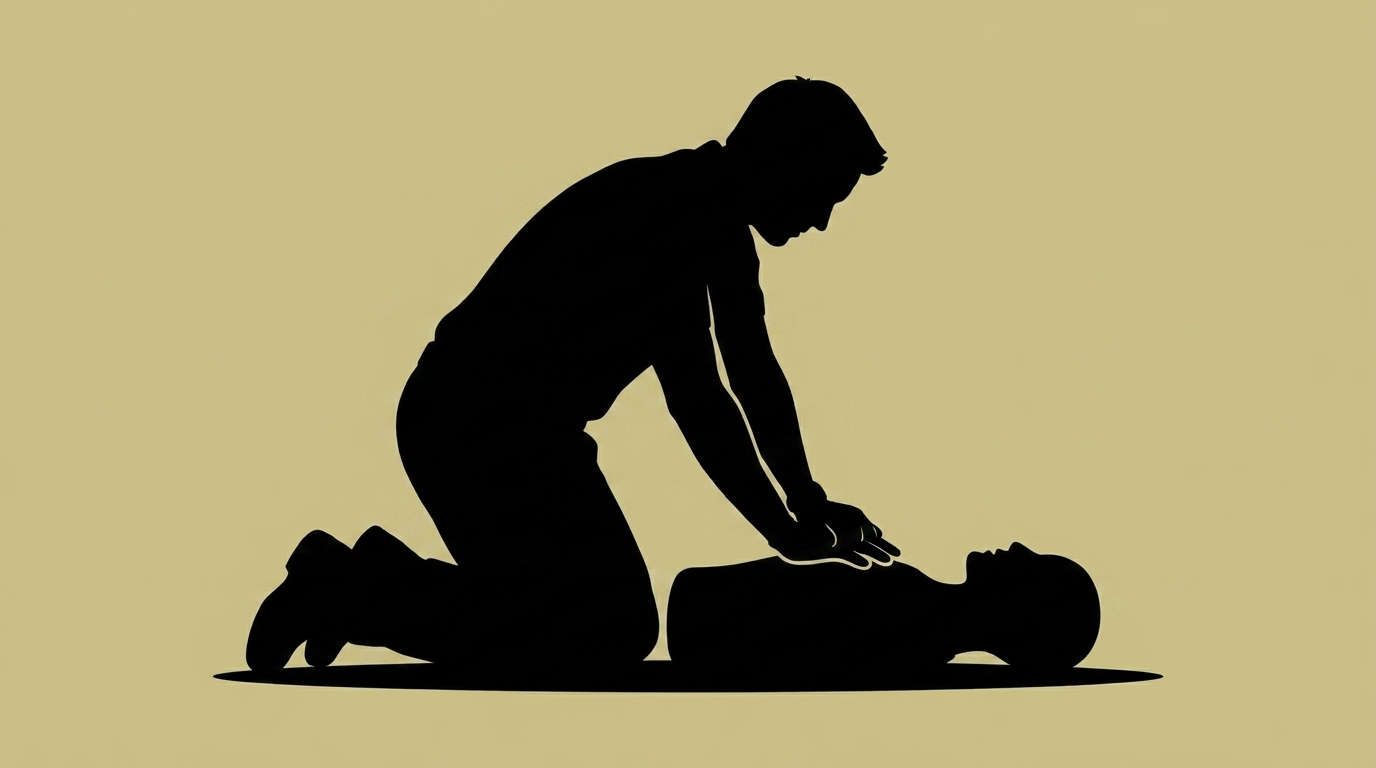
Think about a paramedic stepping into a chaotic emergency scene. The sirens are blaring, people are panicking, and lives are on the line. Yet, the paramedic operates with a calm, methodical precision. They are not superhuman. They are simply trained differently.
First responders utilize a psychological framework that business leaders rarely discuss. It is a clinical approach designed to prevent burnout and long term trauma. What if you could borrow this exact scientific method to protect your own mental health and the well being of your team?
The Science Behind Psychological Antibodies
Psychologists call it stress inoculation training. The concept is quite similar to how a vaccine works in the human body. By exposing a person to small, manageable doses of a virus, the immune system learns how to fight it. When the real virus arrives, the body is already prepared.
Stress inoculation applies this biological principle to the human mind. First responders undergo controlled simulations of high stakes environments. They experience the physiological responses of stress, like a racing heart and shallow breathing, in a space where failure is safe. Over time, their brains map these stress signals not as threats, but as cues to focus.
Research shows this method builds long term psychological resilience. It actively reduces the risk of burnout and traumatic stress disorders. But how does this apply to the daily operations of a growing company?
Translating Clinical Training to Business Operations
Most managers handle stress by attempting to avoid it. We try to build perfect systems to ensure nothing ever goes wrong. Then, when a critical supplier goes bankrupt or a key leader suddenly resigns, the shock overwhelms the system. Panic sets in because the team has never flexed the muscles required to navigate that specific chaos.
Stress inoculation asks us to change our relationship with worst case scenarios. Instead of hiding from the things that scare you about your business, you bring them into the light. You simulate the stressor.
This does not mean artificially creating a toxic work environment. It means organizing structured thought exercises and practical drills. You sit down with your team and intentionally map out disasters.
Developing Your Resilience Regimen
Applying these principles requires a thoughtful and deliberate approach. You must introduce the concept to your team as a tool for empowerment rather than a test of their competence.
Here is how you can begin integrating these concepts into your management routines:
- Identify the critical failure points in your current operations.
Practice the crisis to remove fear. - Design tabletop exercises where the team must solve a simulated crisis in real time.
- Observe the physiological and emotional reactions of the room as you introduce variables.
- Conduct a thorough debriefing session focused on processes rather than individual failures.
- Document the gaps in your knowledge and create a plan to acquire that missing information.
By practicing the crisis, the mystery disappears. The fear of the unknown is replaced by a concrete sequence of actions. You build confidence by facing the very things that cause you anxiety.
The Unknown Variables of Human Thresholds
There is still much the scientific community is trying to understand about stress thresholds. Every individual has a unique baseline for anxiety and pressure. What acts as a healthy, inoculating stressor for one employee might push another into a state of shutdown.
This surfaces a critical question for leaders. How do you accurately measure the psychological load of your team members? We do not currently have a definitive metric for mental fatigue in the workplace. We cannot draw blood to see if an employee is nearing burnout.
We have to ask ourselves how we can recognize the subtle difference between productive challenge and harmful strain. As a manager, your role involves studying these nuances. You must pay attention to changes in communication styles, decision making speeds, and overall engagement. The science gives us a framework, but the art of leadership requires deep, empathetic observation.
Mastering the Midnight Panic
Let us go back to that 3 AM wake up. The fear you feel is incredibly common. Building something remarkable, something that actually lasts, requires navigating complex and intimidating landscapes. It is normal to feel like everyone else has it figured out while you are just trying to keep the ship afloat.
However, the midnight panic loses its power when you have systematically prepared for the worst. When you have exposed yourself and your team to the friction of simulated failure, you build a shared confidence.
You are no longer relying on hope to get you through the tough times. You have built a psychological immune system. You have taken the clinical insights of stress inoculation and applied them to the messy, beautiful reality of building a business. The challenges will still come, but you will be ready to face them.
Related Reading
Death of the Binder
Your newest hires learned from YouTube, not textbooks. Here's why your training is failing them.