It is 3:00 PM on a Tuesday. You walk past the desk of your operations lead or your engineering manager. They are staring at their screen, but they are not really seeing it. Their coffee is cold. There is a pile of invisible weight sitting on their shoulders that seems to get heavier every time you suggest a new growth initiative.
They are your middle managers.
They are the people you trust most to execute your vision. Yet, statistics and observation tell us they are often the most unhappy, stressed, and burned-out people in the entire organization. Why is it that the people we rely on the most are the ones we unknowingly torture the most?
It is not usually a lack of skill.
It is rarely a lack of compensation.
The problem is structural. It is a phenomenon known as role compression, and if you do not address it, you will lose the very people building your business.
The Physics of Organizational Pressure
To understand what your managers are feeling, we have to look at the physics of their position. In any hierarchy, pressure flows down from the top. You, the owner, set ambitious goals. You demand revenue growth, product shipping, and market expansion.
Simultaneously, pressure rises from the bottom. Frontline employees need resources, emotional support, career guidance, and technical help.
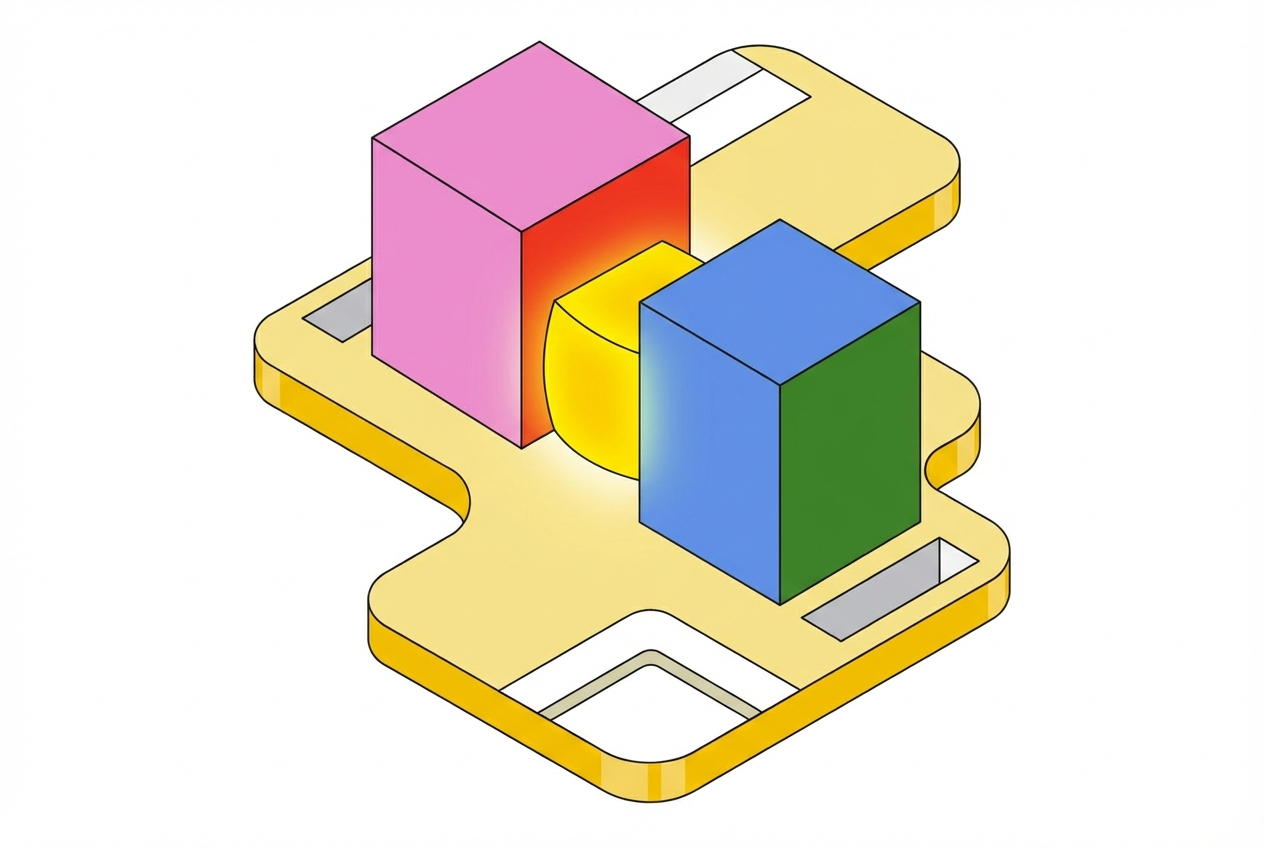
Your middle managers are the buffer zone.
They absorb the heat from both sides. When a deadline is missed, they take the blame from you. When the deadline is enforced, they take the anger from the staff. They are in a constant state of conflict negotiation where they rarely have the final say.
Researchers have found that this position creates a specific type of cognitive dissonance. They must enforce policies they did not write and report on metrics they cannot fully control.
The question is not how they survive it.
The question is how we change the architecture of their role so they can actually thrive.
The Authority versus Responsibility Gap
One of the most significant stressors for a manager is the gap between what they are responsible for and what they are allowed to decide.
Review your organizational chart. Look at your key managers.
Do they have to ask your permission to spend five hundred dollars to fix a problem?
Do they have to wait for your approval to hire a contractor to clear a backlog?
If they have 100 percent of the responsibility for the outcome but only 20 percent of the authority to allocate resources, you have engineered a failure state. You have trapped them. They cannot solve problems; they can only report problems to you and wait for a verdict.
This creates a bottleneck. But worse, it creates learned helplessness.
To fix this, we have to conduct an authority audit.
List every major responsibility your manager holds.
Identify the resources required to fulfill that responsibility.Role compression destroys good managers.!Role compression destroys good managers.
Ask if they have unilateral control over those resources.
If the answer is no, you must bridge the gap. You must give them the keys.
Reducing the Context Switching Tax
There is another hidden killer of manager productivity.
Context switching.
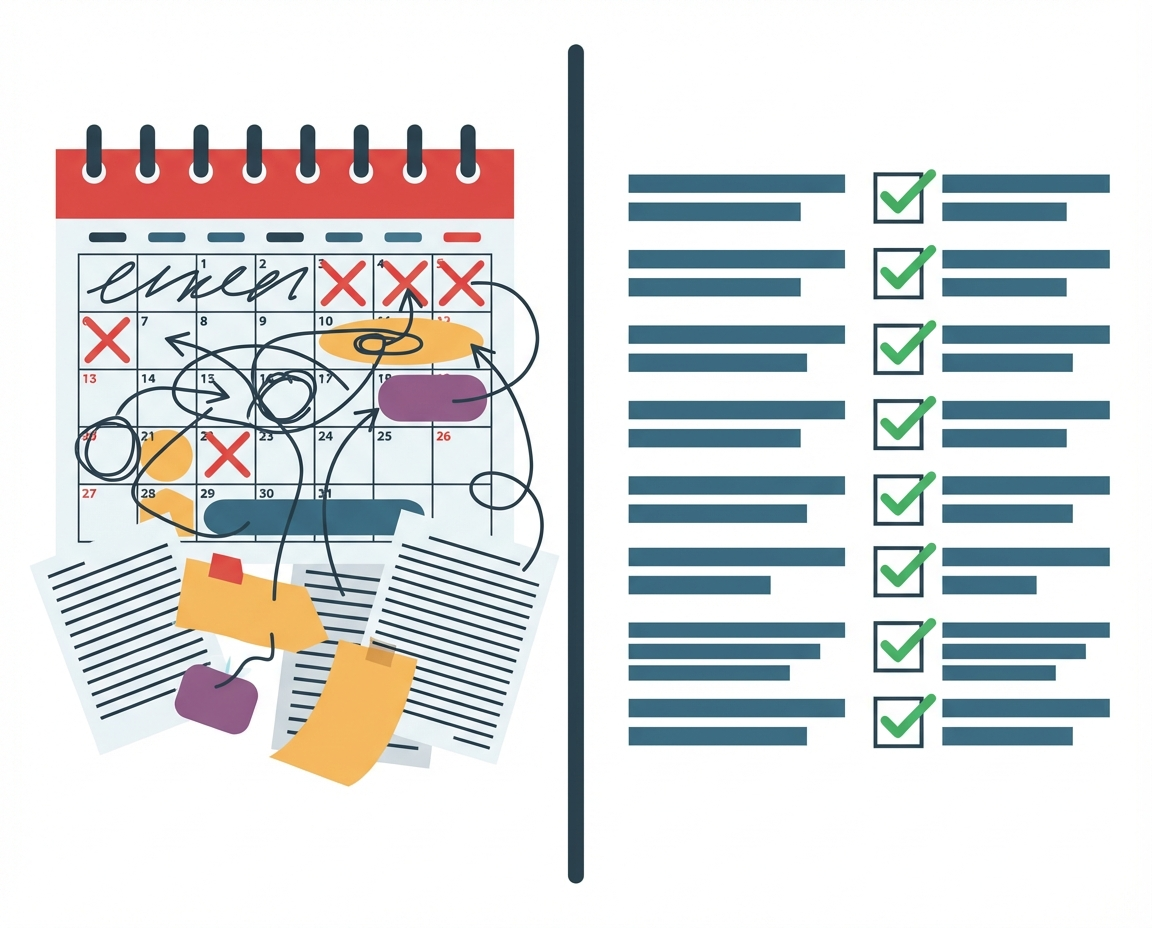
A maker, like a designer or coder, needs long blocks of uninterrupted time. A manager, by contrast, is often expected to be in a state of constant interruption. They jump from a hiring crisis to a budget meeting to a product review in the span of ninety minutes.
This fragmentation destroys deep thinking.
It prevents them from looking at the horizon because they are constantly staring at their feet. When we interview managers who have quit high-paying jobs, they often say the same thing. They say they felt like they were doing everything but accomplishing nothing.
We need to protect their time as fiercely as we protect our own.
This might mean instituting ’no-meeting days’ specifically for management layers. It might mean hiring administrative support to handle the scheduling logistics that eat up their mornings.
When we lower the cognitive load, we increase the strategic value.
The Emotional Labor Reality
Finally, we must talk about the emotional cost.
Middle managers are the therapists of the workplace. They are the ones listening to an employee cry about a breakup affecting their work. They are the ones de-escalating conflicts between rival team members.
This is emotional labor. It is exhausting. And it is rarely listed in the job description.
If you are not acknowledging this work, your managers feel unseen. They feel like their ‘real work’ of hitting KPIs is all you care about, while they are drowning in the interpersonal complexities of keeping a team of humans functioning.
How do we support this?
We provide training. Not just technical training, but training in psychology, conflict resolution, and communication. We give them the tools to handle the human element so it does not drain their battery.
We also need to create a safe harbor.
Who does the manager talk to when they are stressed? Usually, nobody. They cannot complain to their team, and they are afraid to complain to you. We must create a culture where saying ‘I am struggling’ is viewed as a data point for improvement, not a sign of weakness.
Closing the Loop on Retention
Remember that manager we talked about at the beginning? The one staring at the screen with cold coffee?
They do not need a pep talk.
They do not need a free lunch.
They need you to dismantle the squeeze. They need you to align their authority with their responsibility. They need you to recognize the weight they carry and help them set it down.
When you do this, you do not just get a happier manager. You get a leader who can actually help you build that remarkable, world-changing business you see in your mind.
The work is hard. But the structure doesn’t have to be broken.
Join our newsletter.
Build Expertise. Unleash potential.
World-class capability isn't found it’s built, confirmed, and maintained.