






Building Management Muscle Memory: How to Prepare for Business Emergencies
Have you ever sat at your desk when a completely unexpected problem landed in your lap? Maybe a crucial employee suddenly resigned. Perhaps a major client pulled their contract without warning. You feel that sudden spike of adrenaline. Your chest tightens. You look around the room and realize everyone is waiting for you to tell them what to do next.
In that exact moment, why do some leaders freeze while others seem to instantly know the right path forward? What separates the manager who panics from the manager who calmly guides the team to safety?
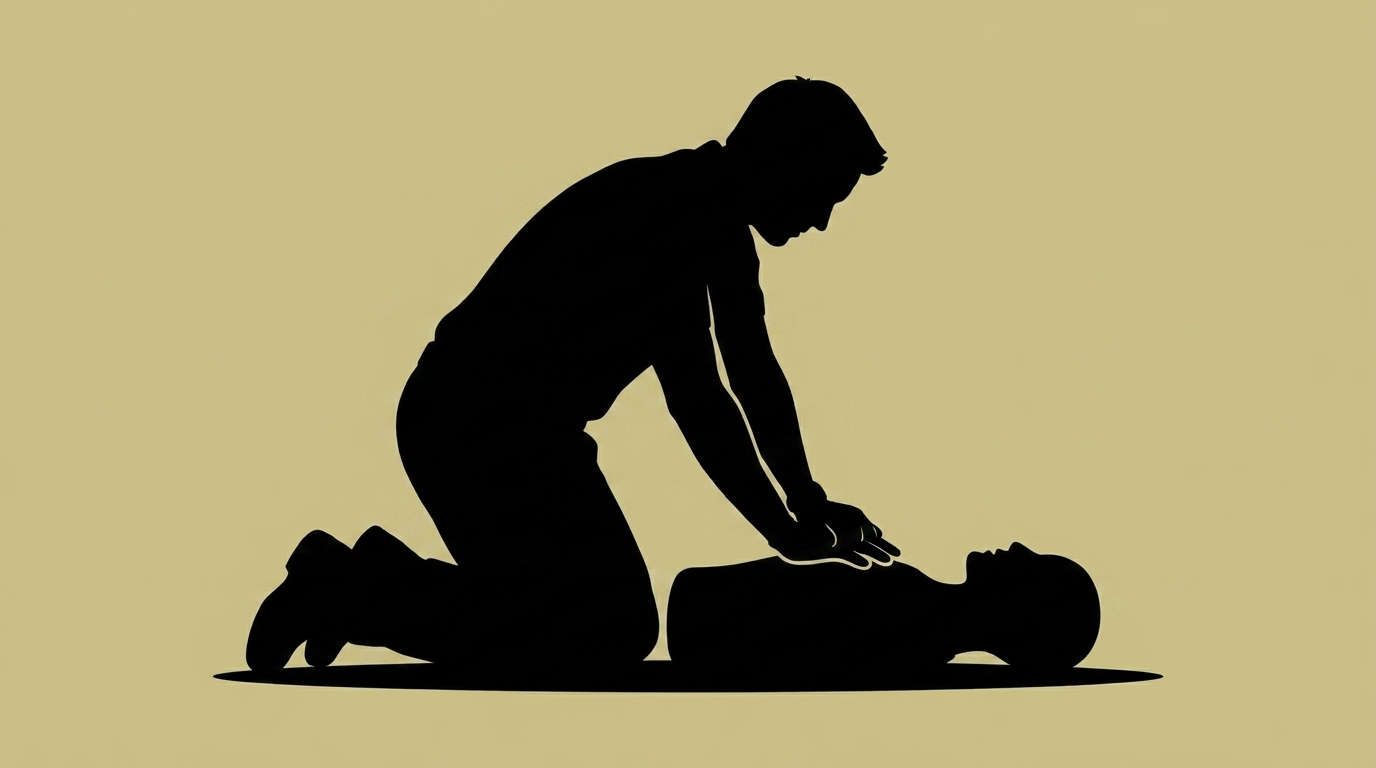
The difference rarely comes down to raw talent. It comes down to intentional preparation. We can learn a lot by looking at how emergency professionals train for crisis. First responders do not wait until a fire breaks out to figure out how their gear works. Regular training ensures that professionals are intimately familiar with their emergency equipment, making its operation second nature in the field.
But in business, we rarely run drills. We simply expect managers to figure it out when the alarm sounds. We assume experience alone will be enough to carry us through the turbulence.
The Neuroscience of Business Panic
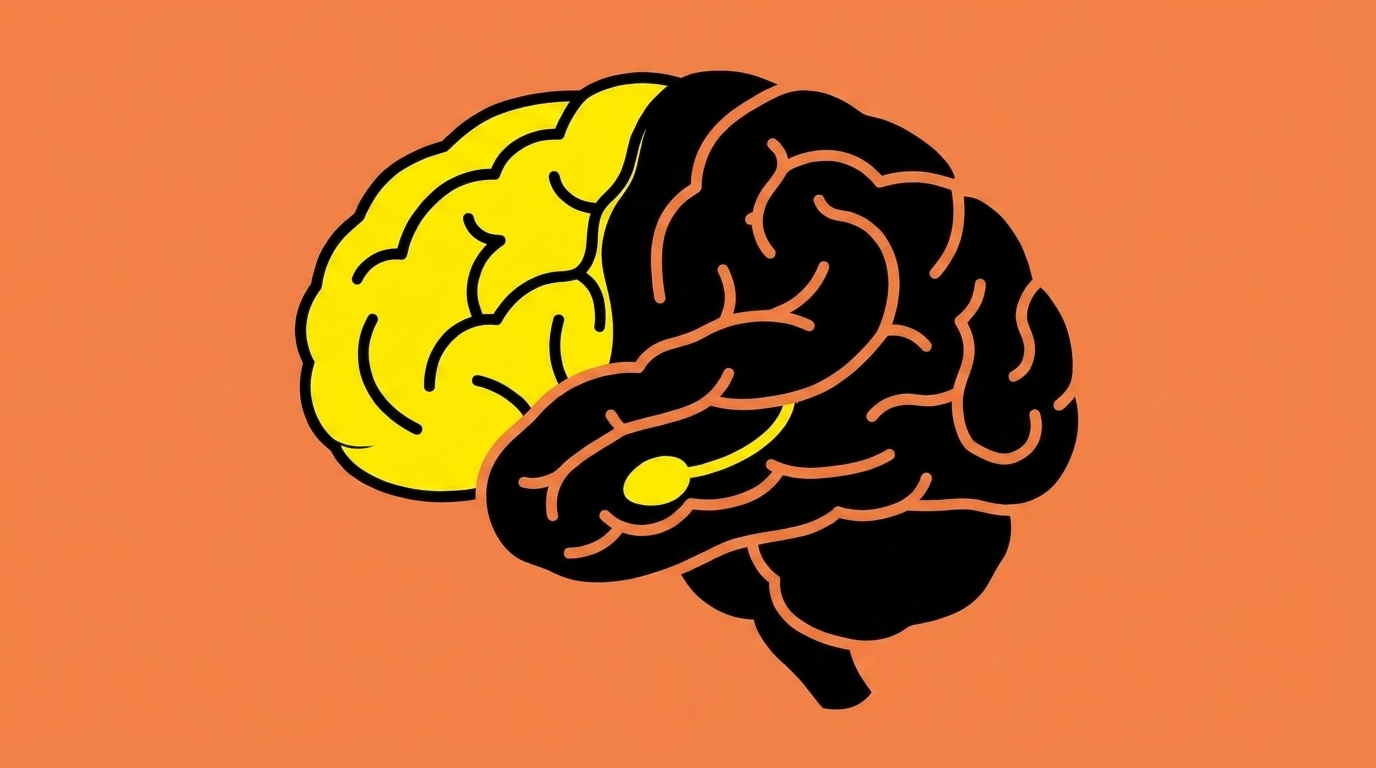
When a crisis hits your business, your brain reacts as if you are in physical danger. The amygdala takes over. It shuts down the prefrontal cortex, which is the part of your brain responsible for logical decision making and complex problem solving.
This biological reality creates a serious problem for managers. You are expected to make rational, calculated choices at the exact moment your biology is screaming at you to fight or flee. Studies in behavioral psychology show that when we are under acute stress, our capacity to process new information drops significantly. We revert to our most ingrained habits.
How do we bypass this biological trap? The answer lies in cognitive conditioning. First responders bypass panic through endless repetition. They handle their hoses, radios, and medical kits until the actions require zero conscious thought.
We have to ask ourselves a difficult question. What is the equivalent of emergency equipment for a business manager?
Defining Your Management Gear
As leaders, our tools are not physical objects. They are frameworks, processes, and communication habits. When things go wrong, we need to rely on these tools without needing to read an instruction manual. Just like a firefighter checks their oxygen tank, a manager must regularly check their operational systems.
Your core management equipment includes a few distinct categories of planning:
- Transparent communication protocols for delivering bad news to a team
- Financial contingency plans that dictate how to operate with reduced revenue
- Deescalation frameworks for handling conflicts between stressed employees
- Delegation systems that ensure critical tasks continue if you are unavailable
- Feedback loops to gather real time data from frontline staff during an event
If you only try to use these tools during an actual crisis, they will feel clunky. You will stumble over your words. You will second guess your financial models. The team will sense that hesitation, and their own stress levels will rise in response to your uncertainty.
Running Drills in the Office

A tabletop exercise is a simple simulation. You gather your core team, present a hypothetical problem, and walk through exactly how you would solve it together. You look at the resources you have and the steps you would take.
It feels strange at first. People might even feel it is an unnecessary use of valuable time. But the data on organizational psychology points in a different direction. Teams that simulate stress environments recover faster when real stress occurs. They build a shared vocabulary for solving problems.
You can start small. Dedicate thirty minutes a month to ask the team how they would handle a specific scenario.
- What happens if our primary supplier goes bankrupt tomorrow?
- How do we handle a data breach that exposes customer information?
- What is the plan if the office loses power for three days?
- How do we respond if a key piece of our software platform crashes?
By talking through these scenarios, you build cognitive muscle memory. You familiarize yourself with your management equipment so it is ready when you need it.
Embracing the Unknowns Together
There is still a lot we do not know about the ideal way to train leaders. Every business is unique. The exact right cadence for running these drills in a tech startup might be very different from a local bakery or a consulting firm.
We also have to figure out how to balance readiness with anxiety. If we spend all our time talking about disaster, do we risk burning out our teams? Where is the line between being prepared and being paranoid?
These are questions every manager has to navigate for their specific environment. There is no universal formula. You have to experiment, observe the results, and adjust your approach over time based on feedback from your team.
The goal is not to have a flawless plan for every possible disaster. That is simply impossible. The goal is to build a solid culture where facing difficult problems feels familiar. You want to train your brain, and your team, to respond to sudden challenges with curiosity rather than fear.
When you invest the time to practice using your management tools, you reduce your own daily anxiety. You stop fearing the unexpected because you know you have the muscle memory to handle it. You can focus your energy on building something lasting, knowing that when a problem arises, your training will take over.
Related Reading
Death of the Binder
Your newest hires learned from YouTube, not textbooks. Here's why your training is failing them.