




Building Resilience: How Simulated Environments Prepare Teams for Real World Risks
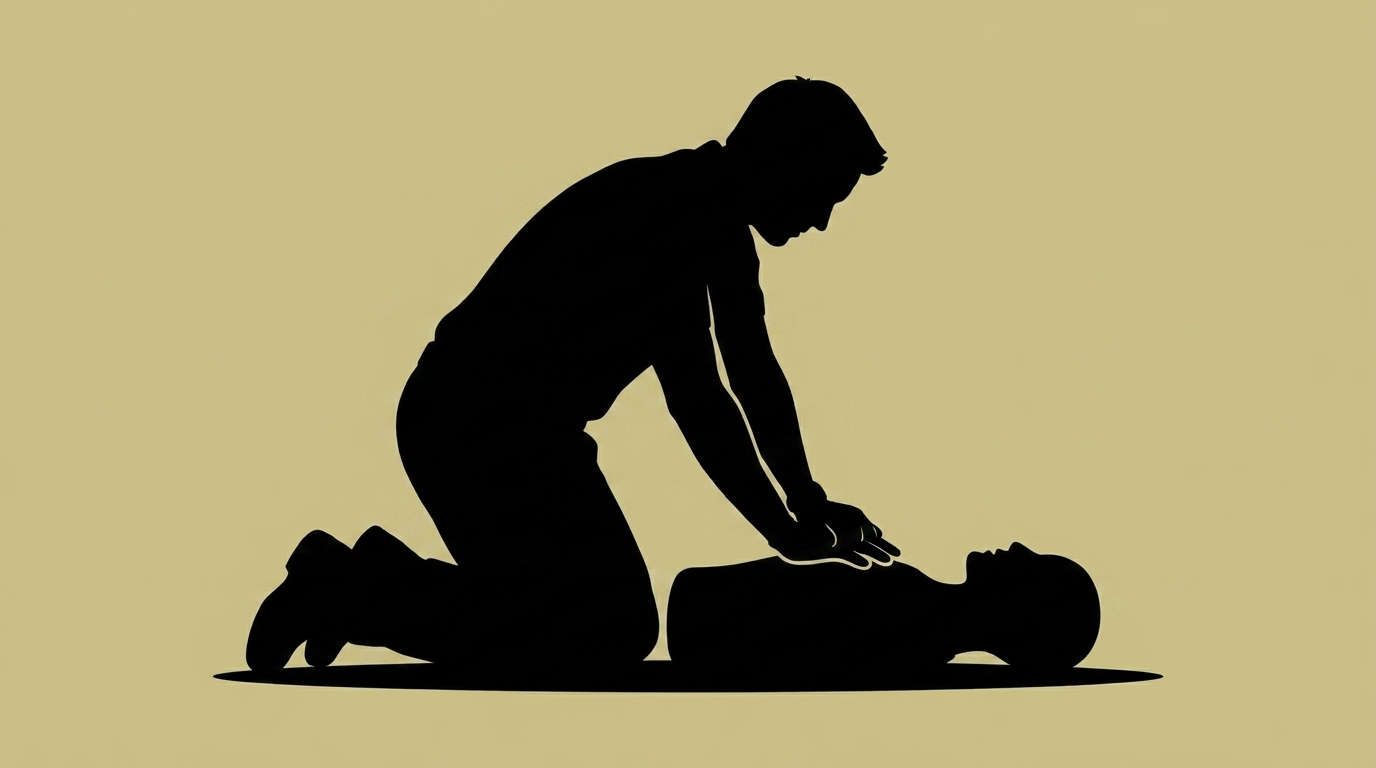
You sit at your desk long after the office has gone quiet. The glow of your monitor illuminates a long list of compliance updates, safety protocols, and required training modules. You care deeply about the people who work for you. You want them to thrive, grow, and return home safely every single day. But a lingering question often keeps you awake. If a real crisis hits, are they truly prepared to handle it?
We hand out thick manuals. We schedule day-long seminars. We ask everyone to sign a piece of paper confirming they understand the risks. Yet, there is a vast gap between reading about a crisis and standing in the middle of one. How do you train someone for a high stakes environment without putting them in actual danger?
This is a question researchers, cognitive scientists, and technologists have been quietly answering. The solution lies in tricking the mind to protect the body.
The Bridge Between Theory and Reality
Think about the standard protocols your organization currently uses to prepare for the unexpected. Traditionally, preparing for severe events involved reading textbooks, walking through an empty building, or watching instructional videos. These methods rely heavily on the abstract processing parts of the brain. They ask the employee to imagine the danger.
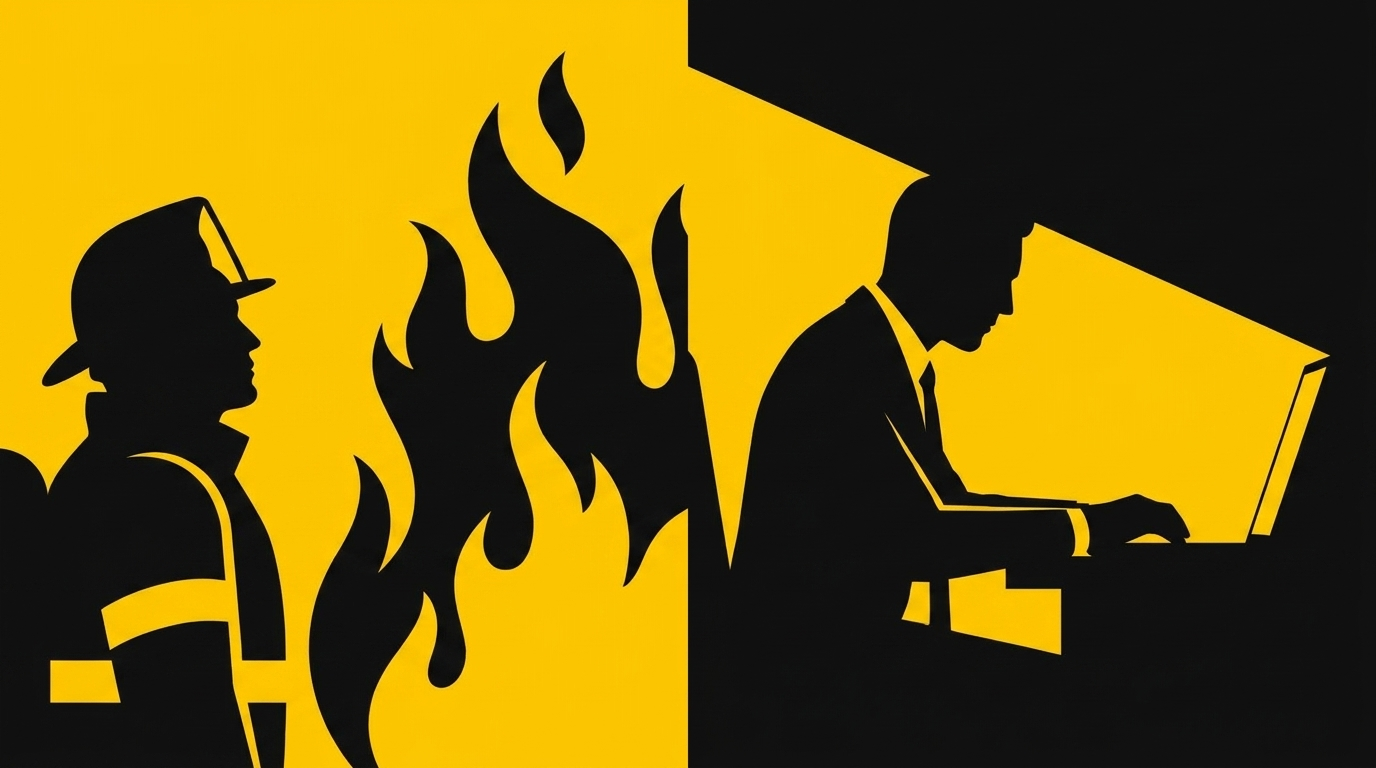
But a new approach is fundamentally shifting how we think about human readiness and corporate responsibility. Virtual Reality allows responders to experience dangerous scenarios, like chemical spills or structural fires, without any actual physical risk.
When you place a person in a carefully designed simulated environment, something fascinating happens. Their brain begins to process the artificial threat as a physical reality. The heart rate naturally elevates. Adrenaline begins to flow through the bloodstream. They are forced to make immediate decisions while simultaneously managing their own internal stress.
Why does this matter for a business manager who wants to build a lasting organization? It matters because it redefines the very definition of training. It moves us from the passive consumption of information to active, experiential learning.
How the Brain Processes Artificial Threats
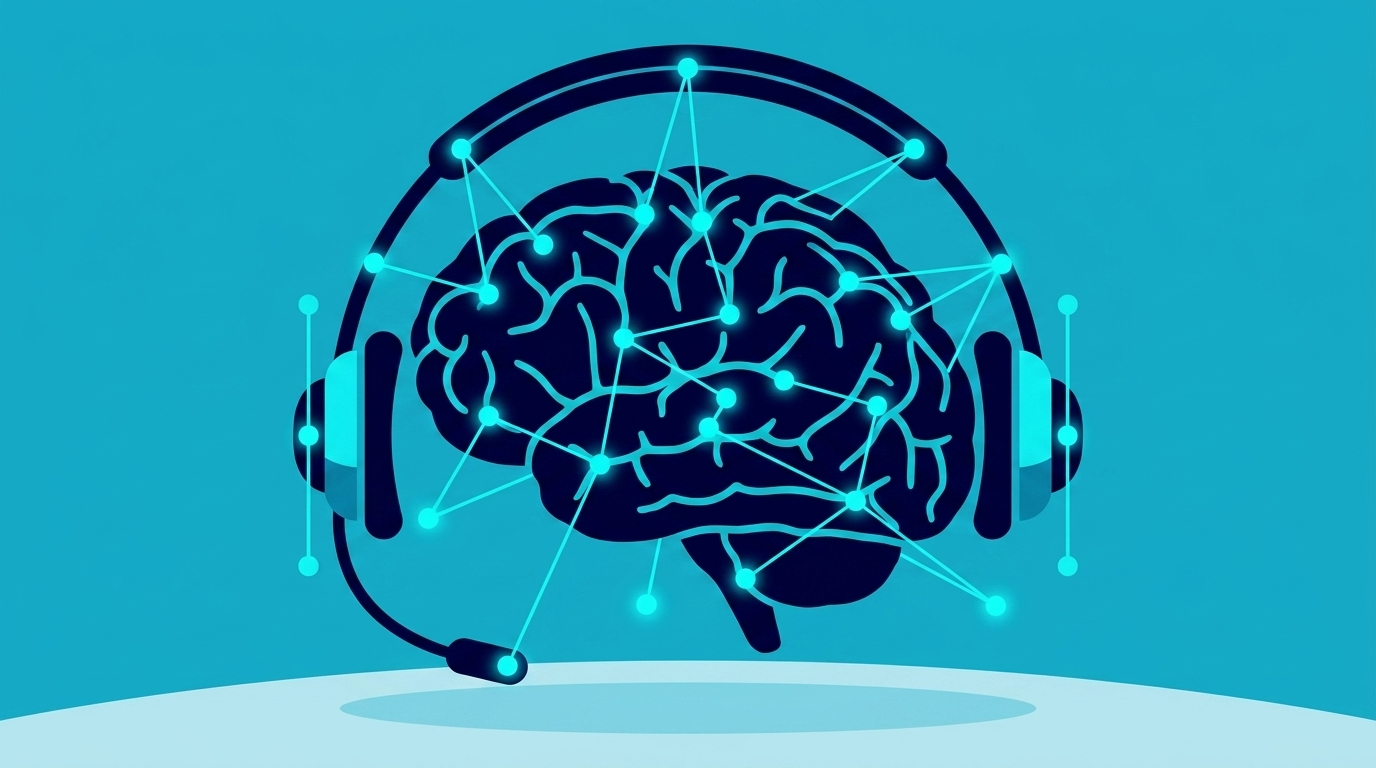
To understand why this method is gaining traction in serious operational environments, we have to look at the neurology of learning. The human brain encodes memories much differently when spatial awareness and physical movement are actively engaged.
When an employee reads about a fire, the information is stored as language. When an employee actively looks around a room, sees smoke, and physically walks toward an exit in a virtual space, the brain stores this as a lived experience. The amygdala, the part of the brain responsible for processing fear and threat, reacts to the virtual smoke. The user feels a genuine sense of urgency.
Consider these documented outcomes of simulated environment training observed by behavioral researchers:
- Cognitive retention improves significantly because the user relies on immediate visual and auditory cues rather than recalling text from a page.
- Stress inoculation happens gradually and safely, allowing individuals to build crucial emotional resilience before they ever face a real hazard.
- Muscle memory begins to form as users physically reach for virtual fire extinguishers, turn valves, or navigate blocked virtual exits.

The Unknowns of Virtual Immersion
Despite the clear data supporting experiential learning, we are still in the early stages of understanding the long term impacts of this technology. As business leaders building solid foundations, it is our job to ask the hard questions and look beyond the surface.
We do not fully know the limits of cognitive fatigue in virtual spaces. How much time in a simulated environment is actually beneficial before the brain stops absorbing the lesson? We also lack comprehensive, decades-long data on how virtual confidence translates to physical competence over a span of many years.
If an employee masters a virtual chemical spill response today, will their nervous system automatically recall the exact protocol three years from now during a real emergency? Does failing repeatedly in a virtual space create unwanted anxiety in the real workplace?
These gaps in our collective knowledge are valuable opportunities for you to observe your own team. You have to evaluate how your specific staff processes stress and how they retain complex, multi-step procedures. What works to prepare a logistics warehouse team might differ entirely from what is required in a specialized medical laboratory.
Redefining Your Role in Team Readiness
Let us go back to that quiet office and the heavy responsibility you shoulder. The fear you feel about your team facing unexpected challenges is completely valid. It is a clear sign that you take your management role seriously. You are navigating an environment where the rules constantly shift, and it is easy to feel like everyone around you has more experience or a better grasp on the mechanics of safety.
Exploring experiential tools like simulated training environments offers a practical path forward. It requires investment, patience, and a willingness to learn entirely new fields of study outside of your usual domain. But you are willing to put in the work to build something remarkable.
By stepping away from generic corporate seminars and looking deeply into how the human brain actually processes risk, you are taking a tangible step toward building a highly resilient operation. You are providing your team with the precise tools to fail safely, learn deeply, and stand confidently when the real world eventually demands their action.
Related Reading
Death of the Binder
Your newest hires learned from YouTube, not textbooks. Here's why your training is failing them.