





The Emergency Room Approach to Business Resilience
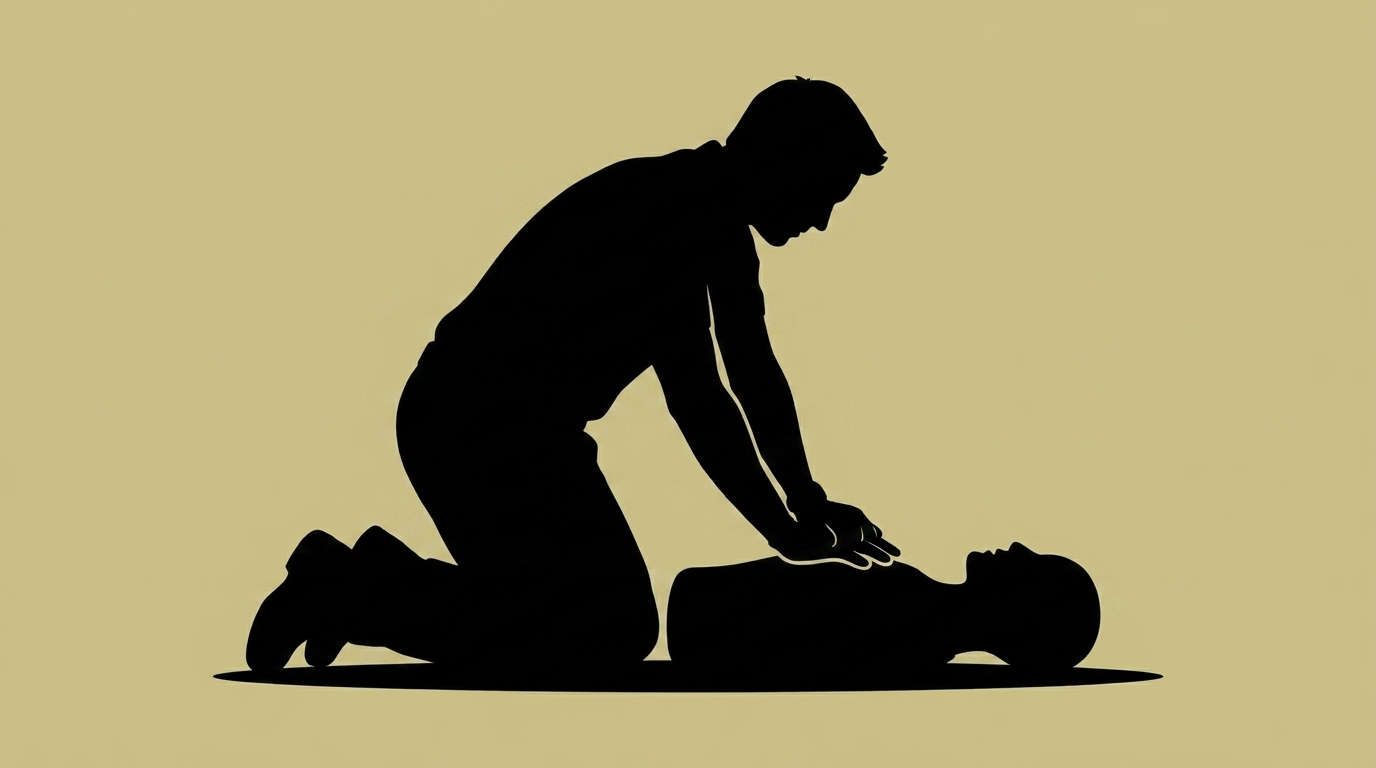
In the medical field, emergency room simulations are vital for reducing patient mortality rates and improving outcomes during critical care events. Doctors and nurses step into a room that looks and feels exactly like a real trauma bay. A mannequin lies on the table. Suddenly, the monitors begin to blare. The simulated patient is crashing. The medical team must communicate, delegate, and execute life saving procedures in real time. They make mistakes. They analyze those mistakes. Because of this practice, when a real human being is brought through the doors, the team operates with a quiet, coordinated confidence.
Now, think about your own business. Think about the team you are working so hard to build and protect. When a critical failure hits your operations, do you have a practiced protocol, or are you relying on adrenaline and hope?
We often ask ourselves why managing a team feels so incredibly stressful. The answer might be hidden in how we prepare for the unexpected.
The Hidden Cost of Learning Live
As a business owner or manager, you carry a heavy emotional load. You want your venture to thrive. You want to empower the people who rely on you for their livelihoods. But there is a quiet, persistent fear that you are missing a critical piece of information. You look around and assume other leaders have a secret playbook for handling crises.
The truth is far less glamorous. Most managers improvise during a live crisis. They are learning how to handle a situation while the situation is actively unfolding.
This live learning approach causes immense anxiety. It leaves leaders feeling isolated and afraid of making a wrong move. But what if we applied the medical simulation model to business operations? What if we stopped waiting for disasters to strike and started practicing our responses in a safe, controlled environment?
The Science of Stress and Decision Making
To understand why simulations work, we have to look at the cognitive science of stress. When a human being faces a sudden, high stakes threat, the brain triggers a stress response. Cortisol floods the system. The prefrontal cortex, which is responsible for complex problem solving and logical thought, becomes impaired.
Medical researchers know that training under simulated stress helps inoculate the brain against this impairment. By exposing doctors to controlled chaos, they build neural pathways that bypass panic. The response becomes automatic.
In a business environment, a crisis might not be life or death, but the physiological response is remarkably similar. A major client cancels a contract. Software crashes during your busiest season. Panic is the enemy of good decisions. Communication breaks down and mistakes compound.
If your team has never rehearsed a failure, their first reaction to a real failure will likely be defensive. How can we shift this dynamic from panic to protocol?
Building Your Own Operational Simulations
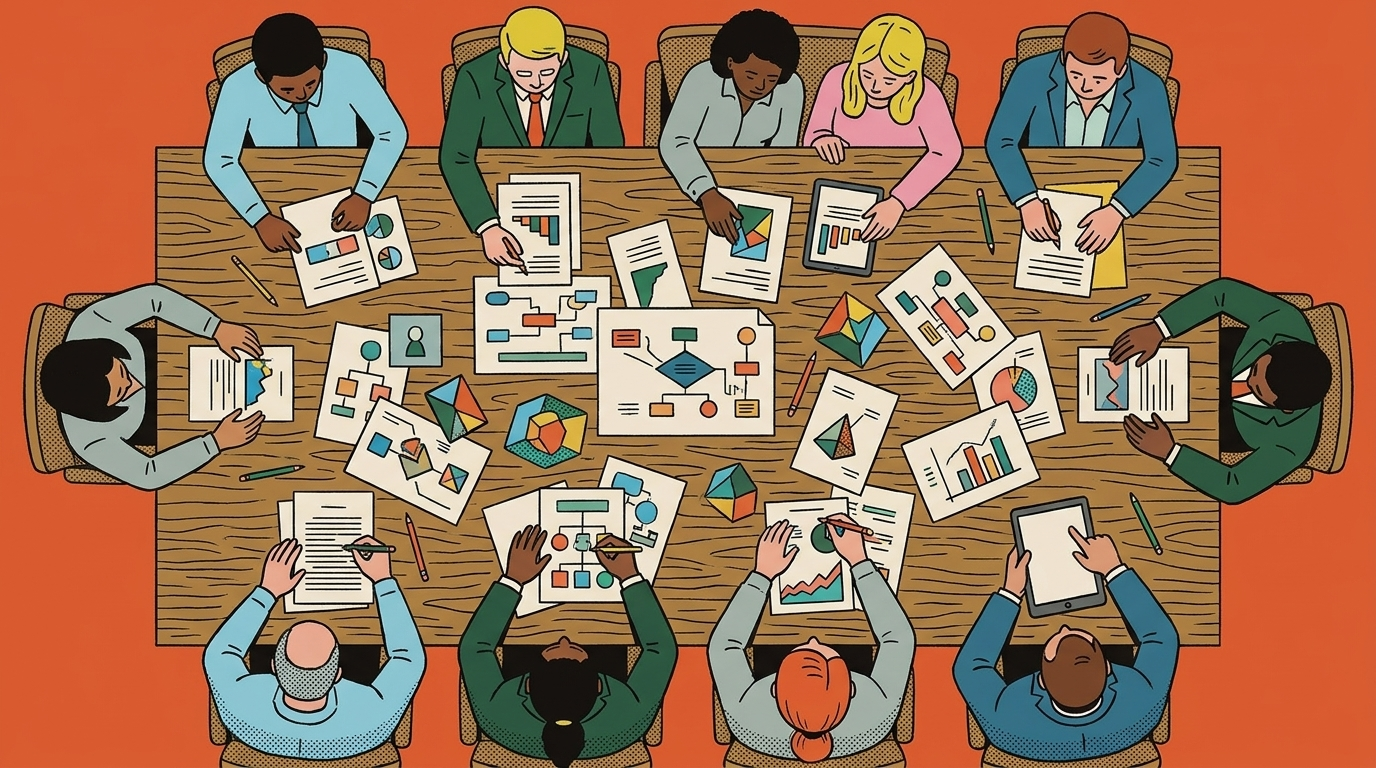
You do not need a high tech laboratory to run an effective simulation. You only need a willingness to face potential failures openly. By running tabletop exercises, you can empower your staff and dramatically reduce your own management anxiety.
- Define a clear and realistic scenario. Pick a single point of failure that would severely impact your day to day operations.
- Assemble your core team in a room. Present the scenario as if it has just occurred.
- Ask each person to describe their immediate actions. Who do they call first? Where do they look for backup data?
- Observe the communication gaps. Take note of where people hesitate or give conflicting answers.
- Map out a concrete action plan based on the holes you discovered during the exercise.
This process is not about placing blame. It is about identifying structural weaknesses before they cause real harm.
Asking the Uncomfortable Questions
True resilience requires us to adopt a scientific mindset toward our own organizations. A scientist does not hide from unknowns. They actively seek them out.
In business, exposing your operational blind spots is the highest form of risk management. It requires you to sit with uncomfortable questions. What happens to your company culture when revenue drops by twenty percent? How does your leadership team behave when they are exhausted? Are there critical processes that exist only in the head of a single employee?
We still do not have all the answers about how different organizations absorb shock. The variables are complex. However, we do know that asking these questions builds a foundation of trust.
When you bring your team into this process, you show them that it is acceptable to not have all the answers immediately. You show them that you are building something solid, something that can withstand the inevitable storms.
You want to build something remarkable. That requires putting in the work to understand the diverse, overlapping systems that keep your business alive. By practicing your responses, you build confidence. Simulating worst days takes control of anxiety. You transform fear of the unknown into a practiced, calm readiness. The crisis will eventually come, but your team will be ready.
Related Reading
Death of the Binder
Your newest hires learned from YouTube, not textbooks. Here's why your training is failing them.