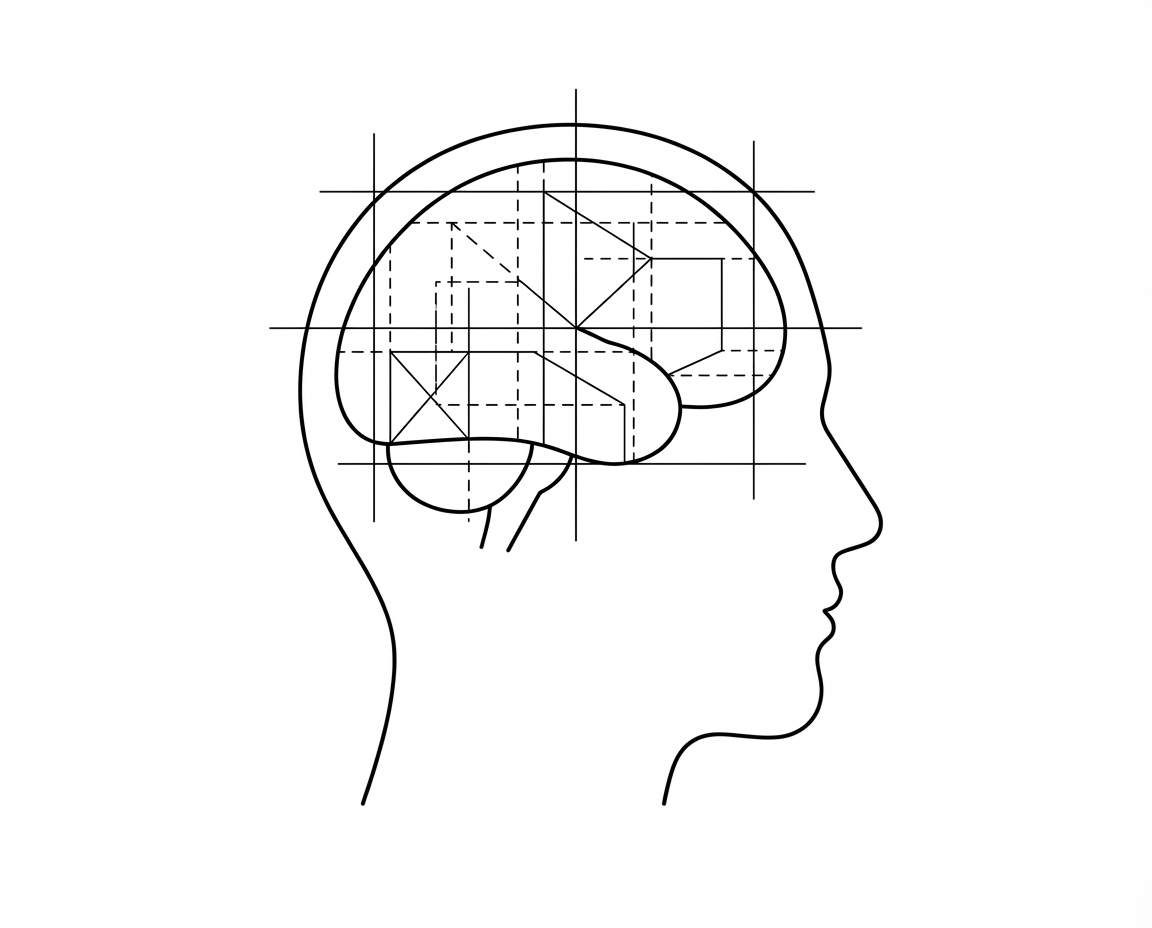
Engineering Empathy: The Case for Personal User Manuals
The Invisible Instruction Set
Think about the last piece of complex machinery you bought for your business. Maybe it was a high-end server rack, a new espresso machine for the breakroom, or a specialized piece of manufacturing equipment. It undoubtedly came with a manual. That document detailed exactly how to operate it, what caused it to overheat, and how to maintain it for peak performance.
Now look at the person sitting across from you in your next Zoom call.
They are infinitely more complex than that machine. They have intricate emotional wiring, specific trigger points for stress, and unique conditions under which they produce their best work. Yet we almost never ask for the instructions. We operate based on assumptions and social guessing.
This guessing game is the primary source of invisible friction in growing companies. It manifests as that vague anxiety you feel before sending a Slack message to a developer who might interpret your brevity as anger. It shows up when a marketing lead shuts down during a brainstorm because they need time to process ideas alone before debating them.
We force ourselves to learn these operational nuances through trial and error. But the error part of that equation is expensive. It costs us in morale. It costs us in speed. It costs us in trust.
What if we just wrote the instructions down?
Decoding the Black Box
The concept of a ‘User Manual for Me’ is deceptive in its simplicity. On the surface it sounds like a fun team-building icebreaker you might do at an offsite retreat. However, if we look at this through the lens of organizational psychology, it is actually an exercise in cognitive load reduction.
Every time two humans interact, they are performing a complex calculation. They are weighing intent, tone, history, and context. When we provide a cheat sheet for these interactions, we liberate brain power that can then be focused on the actual work.
But what actually goes into a functional manual?
It is not about listing favorite colors or hobbies. It is about documenting the ‘API’ of the person. It involves answering difficult questions about how we function.
- Reaction to Stress: Do I withdraw and need space, or do I need immediate reassurance and conversation?
- Feedback Loops: Do I prefer direct, blunt critique in the moment, or do I need you to schedule a time so I can mentally prepare to receive it?
- Golden Hours: When is my brain most effective for deep work, and when should I be available for meetings?
- Communication Channels: Is a text message an emergency signal, or casual chatter?
By forcing your team to articulate these preferences, you are asking them to do the hard work of self-reflection. You are asking them to analyze their own operating system.
The Vulnerability Variable
There is a hurdle here that we must address. I mentioned earlier that we would close the loop on why this often fails in corporate settings. It fails because it requires a level of vulnerability that most corporate cultures inadvertently punish.
To make this exercise work, the leader must go first. And the leader’s manual must be the most honest one on the table.
You have to be willing to say, “I tend to interrupt when I get excited about an idea. It is not because I do not respect you. It is a flaw I am working on. Please stop me when I do it.”
When the person with the most power admits to having bugs in their software, it gives permission for everyone else to be human. It shifts the dynamic from a performance review to a collaborative calibration.
Moving from Implicit to Explicit
We often rely on what sociologists call ‘high-context’ communication. We expect people to read between the lines. In a small startup, this might work when everyone is in the same room. But as you scale, or as you navigate the complexities of remote work, high-context communication breaks down.
The User Manual forces communication to become ’low-context.’ It makes the implicit explicit.
Consider the difference between these two statements:
- “I’m fine.”
- “My manual says that when I am quiet in a meeting, I am processing data, not disagreeing with the plan.”
The first statement requires the listener to be a mind reader. The second statement provides a clear interpretative key.
This matters because ambiguity breeds anxiety. When we do not know how to interpret silence, our brains tend to default to a threat response. We assume something is wrong. We assume we are in trouble. By documenting our communication styles, we lower the baseline anxiety of the entire organization.
The Living Document
This cannot be a PDF that gets filed away in a Google Drive folder, never to be seen again. People change. Contexts shift. A parent with a newborn has a different user manual than they did two years ago. A manager leading a team of ten has different stress triggers than when they were an individual contributor.
We need to treat these manuals as living documents.
- Review them quarterly.
- Reference them before difficult conversations.
- Update them when a major life event occurs.
The goal is not to create rigid rules that make everyone feel like they are walking on eggshells. The goal is to acknowledge that we are all different, and that those differences are not defects.
Are we willing to do the work to understand the people we spend half our waking lives with? Are we willing to stop guessing and start asking?
If you want to build a business that lasts, you cannot treat your people like interchangeable cogs. You have to understand the unique specifications of every single unit. It takes time. It takes effort. But the result is a machine that runs with significantly less friction.







