The High Cost of the Toxic Rockstar
You are sitting in your office looking at the sales numbers or the code commit logs. They are impressive. The numbers are undeniably good. In fact, they are the best on the team.
Then you look at your inbox. It is filled with complaints about the very person generating those numbers.
Maybe you see the slack messages where the sarcasm cuts a little too deep. You notice the silence in the room whenever this person enters a meeting. You feel the knot in your stomach because you know you have to address it, but you are terrified. You are scared that if you lose this person, the revenue drops or the product launch fails. You worry that you are trading excellence for mediocrity just to keep the peace.
This is the paradox of the Brilliant Jerk.
It is one of the most isolating challenges a business owner faces. You feel held hostage by talent. But we need to look at this not as a personality conflict, but as a structural business problem. We need to analyze the real math behind the high performer who destroys culture.
The hidden taxes you are paying
When we evaluate an employee, we usually look at their individual output. We see the deals closed or the widgets built. That is the visible asset. However, we rarely calculate the liability column with the same precision.
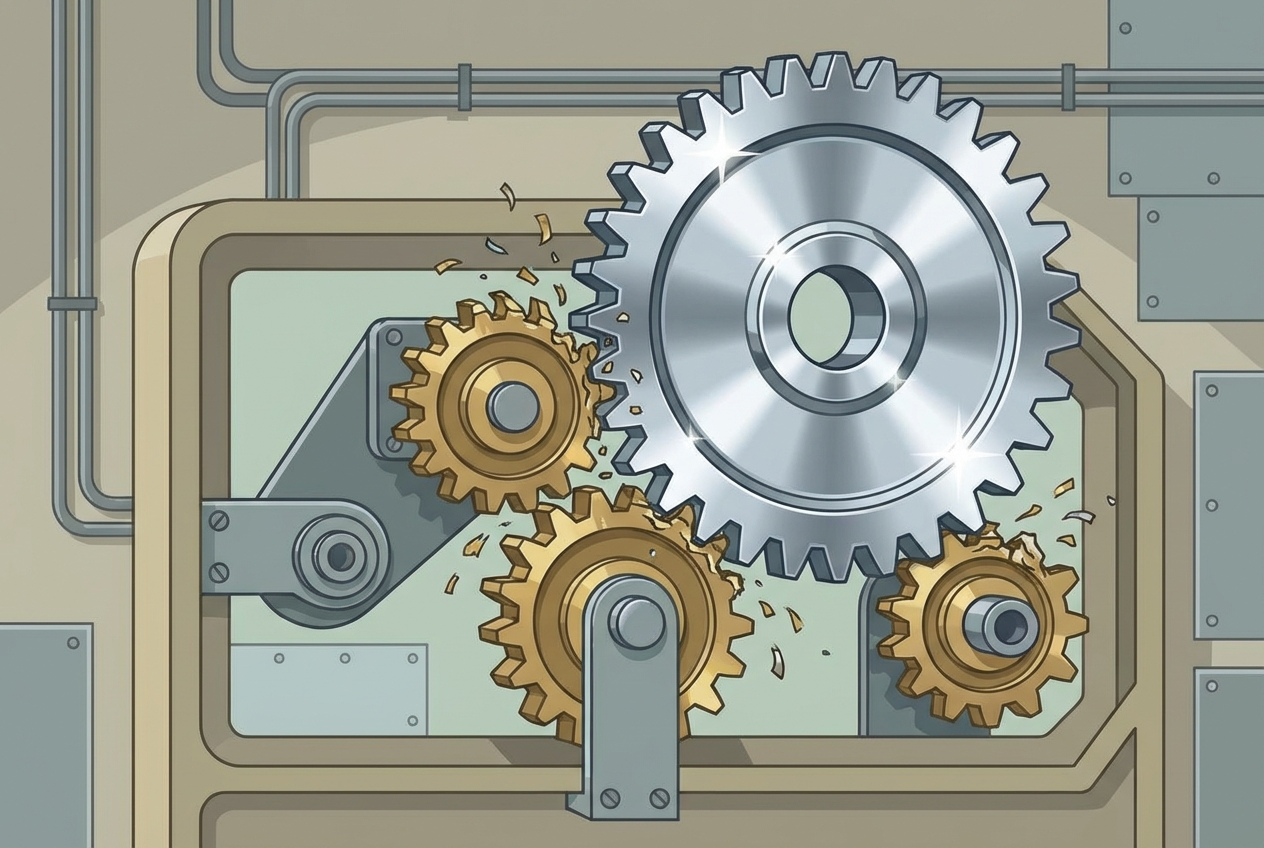
There is a concept in systems thinking called negative synergy. This happens when the interaction between parts of a system reduces the total output. A brilliant jerk introduces friction into every interaction they have.
Think about your other employees. How much time do they spend venting to one another about this person? How many ideas do they keep to themselves because they are afraid of being belittled?
Research suggests that toxic behavior spreads. It signals to your other top performers that the company values results over respect. When your best collaborative people see a toxic individual thriving, they do not argue. They just update their resumes.
So the question you have to ask is simple. Is the output of this one person greater than the collective reduction in output of everyone else around them?
Assessing the intent
Before you make a move, you need data. Not all difficult people are the same. Some are unaware of their impact, while others view their behavior as a necessary weapon to get things done.
You need to distinguish between a lack of social awareness and maliciousness.
Start observing without intervening. Watch the dynamics in meetings. Are they interrupting because they are excited, or because they believe they are the smartest person in the room? Do they apologize when called out, or do they double down?
Gather specific instances. You cannot manage what you cannot measure, and you cannot coach based on vague feelings. You need dates, times, and direct quotes.
The intervention conversation
Most managers delay this conversation because they fear conflict. Or, they have the conversation but cushion the blow so much that the message gets lost. We often use the compliment sandwich, hiding the critique between two layers of praise.
Stop doing that.
When you sit down with your high performer, you must be scientifically direct. You are providing them with data points about their employment viability.
State the specific behavior. Explain the impact of that behavior on the team. Then, silence.
Let them sit with it.
They will likely defend themselves by pointing to their results. They will say that the team is too sensitive or that they are just trying to maintain high standards. This is the crucial moment.
You have to redefine what performance means in your organization. You must explain that performance is defined as Output + Behavior. If the output is high but the behavior is destructive, the total value is negative.
Give them a choice. They can maintain their high standards, but they must change their delivery. Ask them if they are capable of doing that. Leave that question hanging in the air.
The ultimatum and the aftermath
Sometimes, the coaching works. The person genuinely did not know how they were coming across and they course-correct. That is the ideal outcome.
But often, they do not change. They may improve for a week and then slide back into old habits because they believe they are untouchable.
This is where your integrity as a leader is tested.
If you keep them, you are making a conscious decision that their revenue is worth your team’s suffering. You are telling your staff that abuse is the price of success.
If you decide to let them go, it will be scary. You will worry about the hole they leave behind.
However, there is a phenomenon that almost always happens after a brilliant jerk leaves. It is like a vacuum seal breaking. The tension evaporates. People start speaking up in meetings again. Collaboration improves. Often, the rest of the team steps up to fill the void, and their collective output surpasses what the single high performer was doing.
You are building something that needs to last. A foundation built on toxicity, no matter how profitable in the short term, will eventually crack. It is better to repair the foundation now than to wait for the house to fall down.







