





How High Risk Drills Prepare Your Business for Sudden Spikes
The Sound of the Alarms
Picture a local hospital at midnight. The hallways are quiet. The staff is catching up on paperwork. Then a loud alarm pierces the silence. A simulated crisis is underway. A major multi car collision has occurred on the nearby highway and fifty patients will arrive in exactly ten minutes.
The medical team faces an immediate mathematical problem. They only have enough portable oxygen tanks for twenty people. Who gets the oxygen? How do they decide who has priority?
This is a high risk drill. Medical professionals run these intense simulations to practice the efficient allocation of limited resources when demand suddenly spikes. They do not wait for a real disaster to figure out their triage protocols. They test their systems to the breaking point while the stakes are still simulated.
Now pause and think about your own operation. What happens if your customer demand triples overnight? Will your systems hold up, or will they break?
The Science of Decision Fatigue
You are likely pouring your heart into your business. You care deeply about your team and you want to empower them to succeed. But there is often a lingering fear that you are missing a critical piece of the puzzle. What if a sudden surge in business breaks the very foundation you are working so hard to build?
Let us look at the cognitive science behind crisis management. When humans face sudden resource scarcity, our brains default to tunnel vision. Researchers refer to this as the scarcity mindset.
When you suddenly run out of inventory, server space, or cash flow, your cognitive bandwidth drops. You lose the ability to think strategically. You start reacting impulsively. This biological response is exactly why high risk drills are so critical. They move complex decision making out of the panic zone and into the rational planning zone.
There is still much we do not know about how chronic stress impacts long term business planning. Behavioral economists are currently studying how prolonged uncertainty changes risk tolerance in leaders. What we do know is that practicing for disaster reduces the cognitive load when disaster actually strikes.
If you wait until a crisis hits to decide how to allocate your limited resources, you are relying on a cognitively compromised brain to make your most important choices. We have to ask ourselves a difficult question. Are we relying on hope to protect our operations, or are we relying on data?
Finding Your Operational Oxygen
Every organization has a specific resource that acts as its lifeblood. For a hospital, it might literally be oxygen or blood supplies. For your business, it is whatever resource will cause the fastest operational collapse if it disappears.
You need to identify these constraints before they fracture. Consider the following common bottlenecks that organizations face during unexpected spikes.
- Working capital and liquid cash reserves to cover immediate and unexpected costs.
- Key personnel who hold siloed knowledge about critical internal systems.
- Raw material supply chains that rely entirely on a single vendor.
- Customer support capacity when ticket volumes quadruple in a single day.
- Digital infrastructure and server load limits during a surge of web traffic.

Transform abstract fears into concrete action plans.
Which of these is your oxygen? If your sales doubled tomorrow morning, what is the first thing that would break? We often do not know the answer to this until we actively stress test our assumptions.
Designing Your High Risk Drill
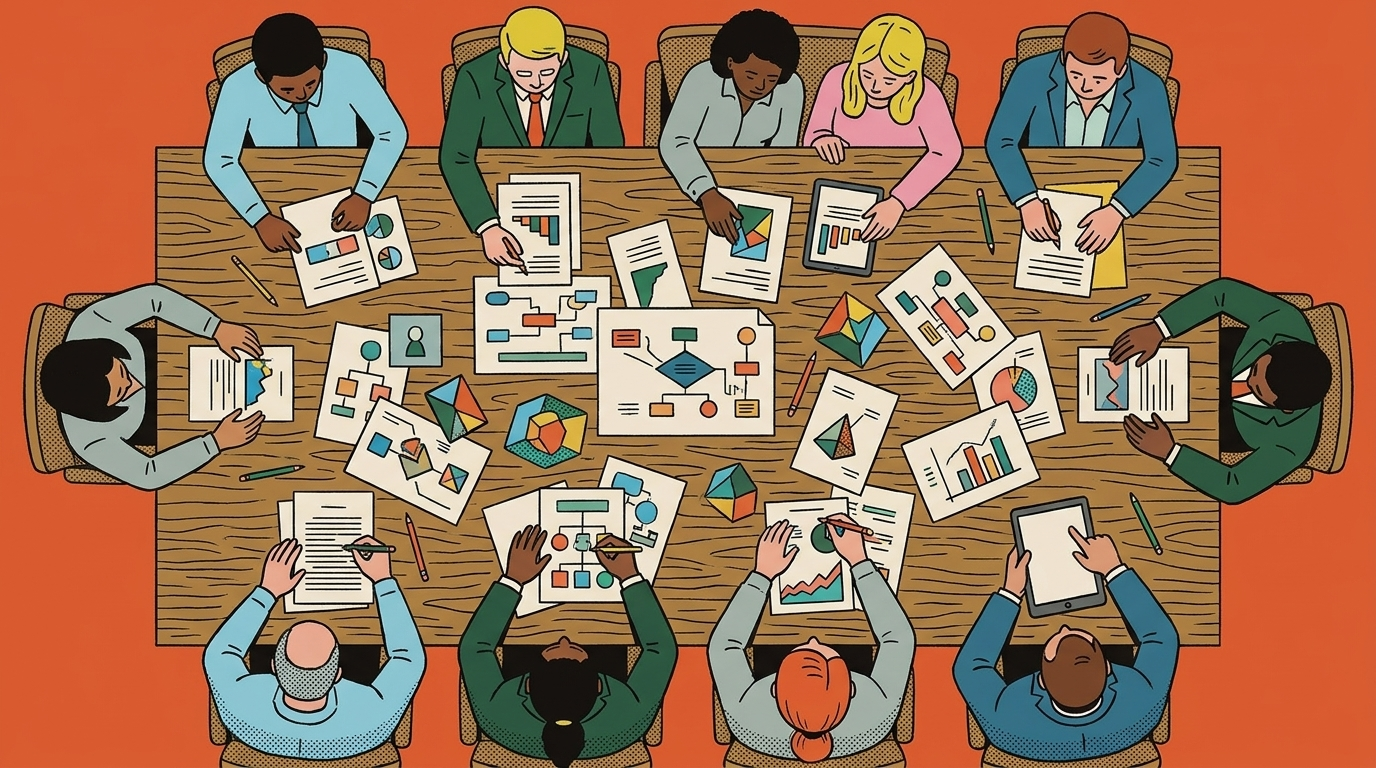
You do not need loud alarms or hired actors to run a high risk drill in your business. You just need a structured conversation with your staff. In emergency management circles, this is often called a tabletop exercise.
Gather your team and present a highly specific scenario. Tell them your main supplier just went bankrupt. Ask them how the company will fulfill existing orders with current inventory.
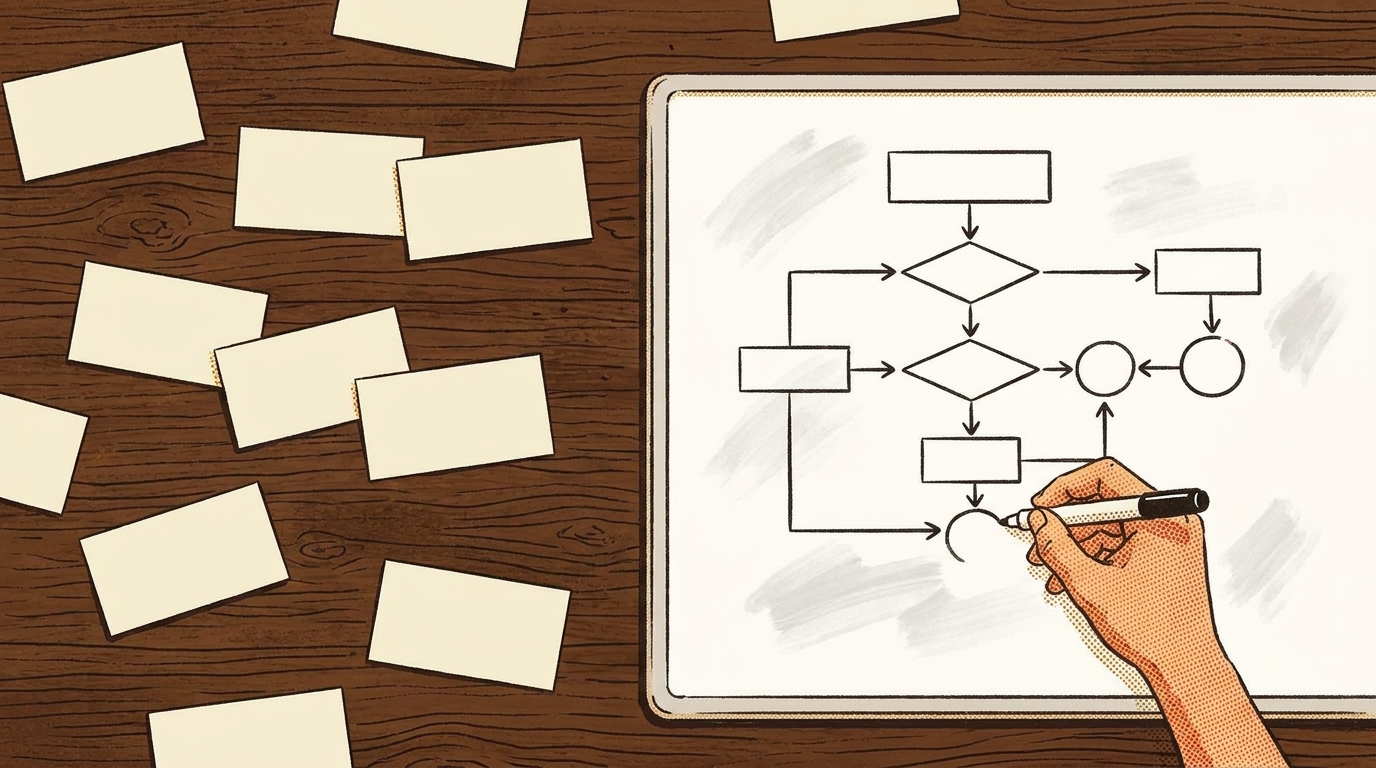
Start by mapping out a resource allocation matrix. Write down your most limited assets on one side of a board and your most critical operational needs on the other. Draw lines between them. Where are the single points of failure? What happens if you have to shift resources from one department to save another? Exploring these questions openly builds immense trust within your team.
Let them work through the problem out loud. Do not jump in with the answers. As a manager, your goal is to empower your staff to think critically and collaboratively. You want them to uncover the unknown variables that you cannot see from your vantage point.
During these exercises, you will invariably discover gaps in your processes. You will find out that only one person knows the password to the backup server. You will realize your safety stock of inventory is dangerously low.
Building Resilience Before the Crisis
Let us return to the hospital simulation from earlier. The medical team argues. They struggle. They make mistakes. But eventually, they figure out a triage protocol for the oxygen tanks. They learn how to communicate clearly under extreme pressure.
When the drill finally ends, they are exhausted but significantly better prepared. The underlying anxiety of the unknown has been replaced by the quiet confidence of a tested plan.
You can create that same confidence for yourself and your team. Building a remarkable business requires confronting scary scenarios head on. It means acknowledging that you do not have all the answers right now, and that is perfectly okay.
By embracing high risk drills, you transform abstract operational fears into concrete action plans. You take the heavy weight of the unknown off your own shoulders and distribute it into a shared team strategy.
Your business is a complex ecosystem that requires continuous learning and adaptation. Start looking for your weak points today. Test your resource allocation. Build the resilience your team needs to thrive when the unexpected inevitably happens.
Related Reading
Death of the Binder
Your newest hires learned from YouTube, not textbooks. Here's why your training is failing them.