






Navigating the Unknown: Why Business Leaders Need Scenario Training
Imagine a paramedic stepping into a simulated disaster zone. Sirens wail in the background. Smoke fills the tight, claustrophobic room. They are immediately presented with two patients and only enough resources to save one. Training scenarios often include ethical dilemmas, helping responders prepare for the difficult moral choices they may face in life-or-death situations. It forces them to confront their deepest fears in a controlled environment. But what happens when the sirens are silent, the room is just a quiet office, and the lives on the line belong to your employees?
You sit there staring at a financial spreadsheet. The numbers do not add up. You have to choose between letting go of a loyal team member or missing payroll for everyone. This is your equivalent of a life-or-death situation. It feels incredibly isolating. You wonder if you are missing some secret formula that everyone else seems to know.
The Invisible Weight of Leadership
Business owners carry an invisible weight. You want to build something remarkable that actually lasts. You care deeply about your team and their ongoing success. Yet, the sheer volume of choices you make daily creates immense fatigue. You are not looking for a shortcut. You are willing to put in the hard work required to build a solid venture. Constantly navigating marketing, finance, human resources, and product development takes a heavy toll.
Researchers call this decision fatigue. It is a documented psychological phenomenon where the quality of your choices deteriorates after a long session of decision making. When you are tired, your brain looks for shortcuts. In business management, these shortcuts can lead to ethical compromises or poor strategic moves.
You might feel like you are just making it up as you go. The fear of being exposed as an imposter is very real. You look at other leaders and assume they have it all figured out. How do we prepare for the moments that truly test our limits as managers?
The Science of Stress Inoculation
Psychologists have spent decades studying how humans react under extreme pressure. They found that structured exposure to simulated stress actually helps people perform better when actual crises occur. This process is clinically known as stress inoculation training. First responders use this methodology to build crucial muscle memory. They face impossible choices in a simulator so that their brains do not freeze in the field.
As a business manager, you likely do not have a dedicated crisis simulator. You are forced to face your ethical dilemmas and business crises in real time. But we can borrow heavily from the science of emergency response to protect your business and your mental health. By systematically looking at your darkest fears before they happen, you rob them of their power.
Mapping the Moral Dilemmas of Business
What are the difficult moral choices in your specific industry? They rarely look like dramatic movie plots. They are usually quiet, nuanced compromises. It might be discovering that a key supplier uses unfair labor practices, but switching suppliers would bankrupt your company. It could be knowing that a brilliant employee is creating a toxic environment for junior staff, but firing them means losing your biggest client.
These are the moments where managers feel the most pain. The desire to do the right thing clashes violently with the desire to keep the business alive. If you wait until you are in the middle of these situations to figure out your values, you are already too late. The stress will narrow your vision. You need to map these potential dilemmas when your mind is calm and capable of long term thinking.
Running Your Own Tabletop Exercises

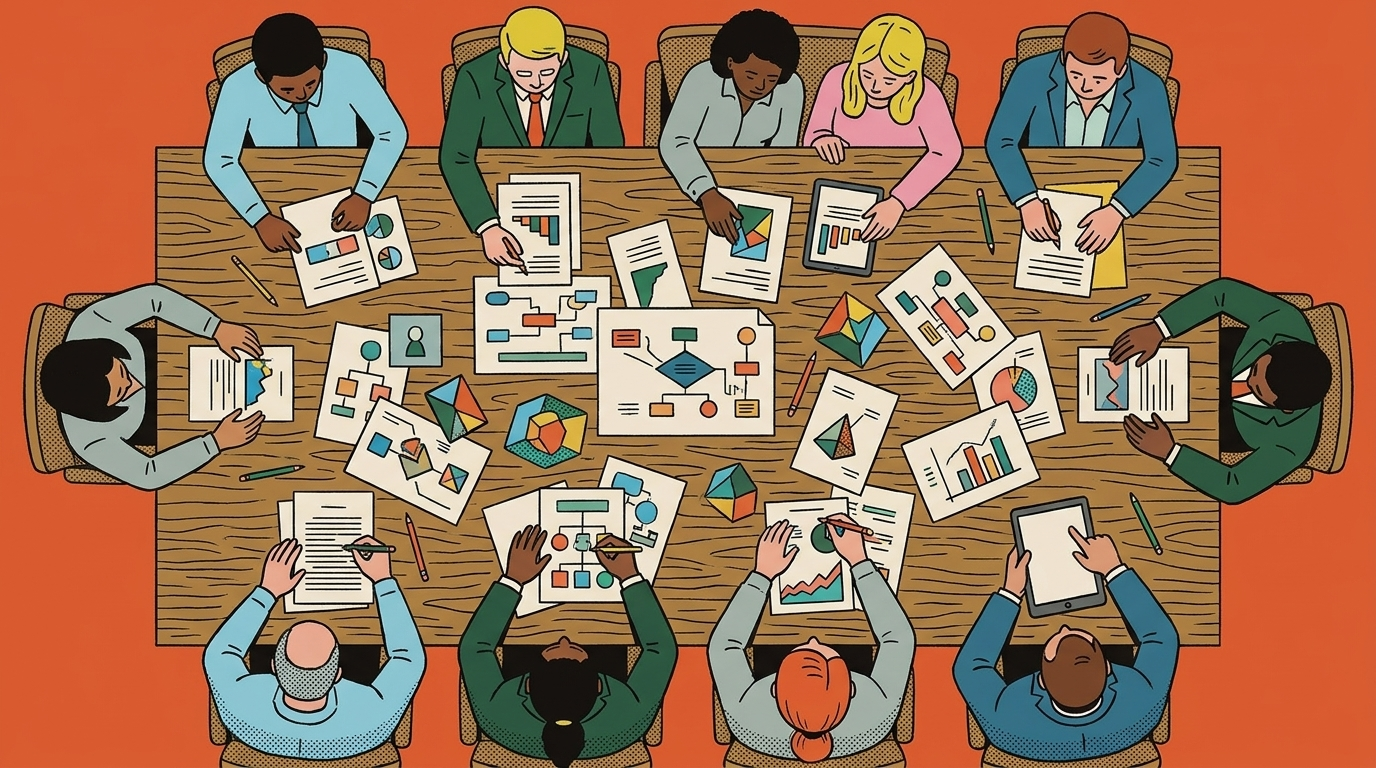
Here is how you can start structuring these practical exercises for your organization:
- Identify a single catastrophic failure that keeps you awake at night.
- Write out a detailed timeline of how this failure would unfold over 48 hours.
- Outline the specific resources and capital you would lose in this scenario.
- Define the strict ethical boundaries you refuse to cross to save the company.
- Document the immediate steps you would take to protect your vulnerable employees.
Going through this structured list does something fascinating to the human brain. It takes a vague, overwhelming fear and turns it into a concrete, manageable puzzle. Puzzles can be solved through logic and collaboration. Vague fears only consume emotional energy.
Embracing the Unknowns We Cannot Simulate
Even with the best preparation, there are profound questions we simply cannot answer in advance. What happens when the crisis you face is completely unprecedented? How do you effectively lead a team through a complex problem that has absolutely no historical data to guide you?
These are the quiet, terrifying unknowns of leadership. You will never have all the answers laid out perfectly. The goal is not to predict the future with total accuracy. The true goal is to build a mental framework for making difficult choices when the time comes. You are building a scaffolding that supports your mind when the ground shakes.
We started by looking at a paramedic standing in a smoke filled room. They do not know exactly what they will face on their next emergency call. They just know they have rigorously practiced the art of making hard choices. You are building something that matters. The next time you face a quiet crisis at your desk, remember that you are not alone in this journey. You have done the hard work of preparing your mind, and you are ready to lead your team forward.
Related Reading
- What is Moral Injury in the Workplace?
- Managing Decision Fatigue: Conserving Mental Energy for Choices That Matter
- The Architecture of Corporate Conscience: Navigating Ethical Nudging in Modern Management
- Managing Decision Fatigue: Saving Your Brain for What Matters
- What is Ego Depletion and How it Impacts Leadership
Death of the Binder
Your newest hires learned from YouTube, not textbooks. Here's why your training is failing them.