






Preparing for the Unexpected: How Scenario Training Builds a Resilient Culture
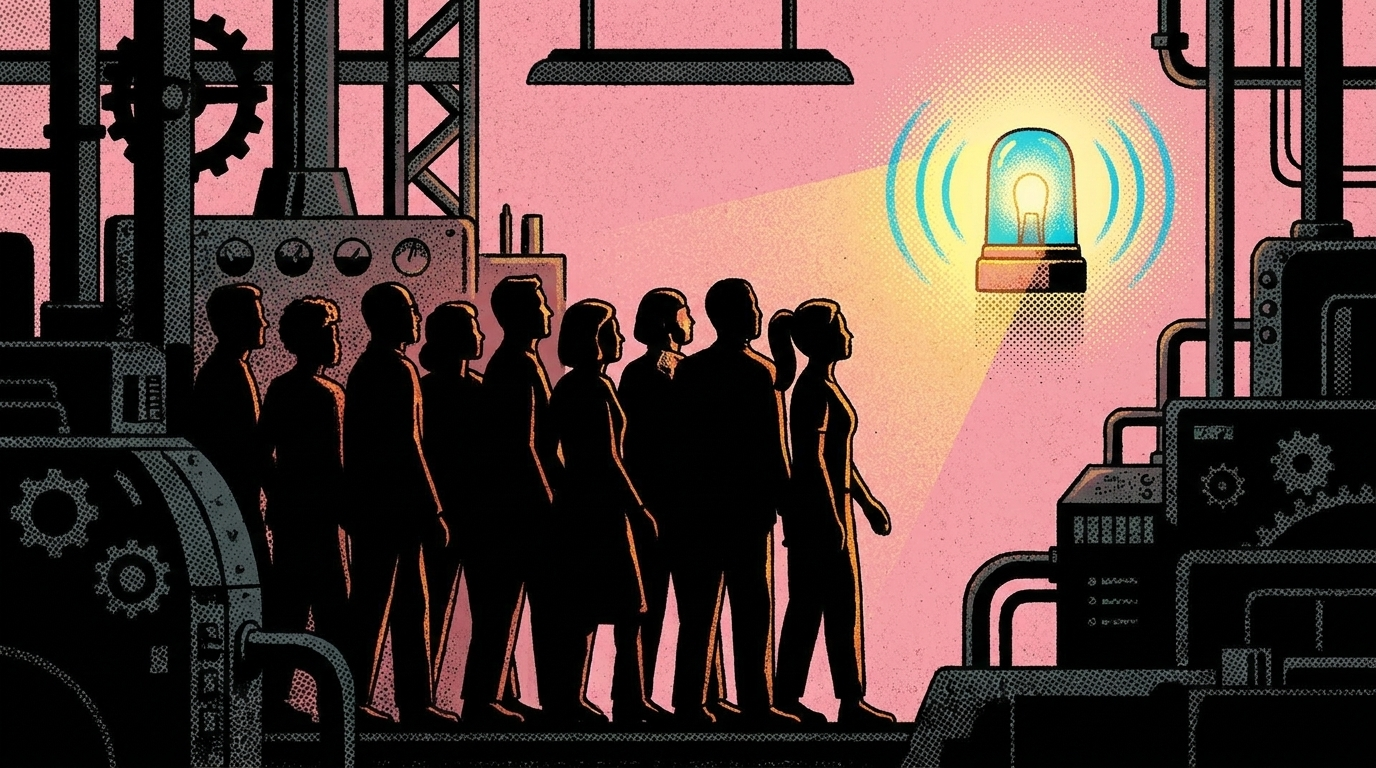
Imagine standing on the factory floor right after the alarm sounds. Or perhaps it is a digital floor, and you are watching a critical data breach unfold in real time. The manuals are sitting on a shelf. The policy documents are tucked away in a folder on the server. What happens next?
As a leader, you carry the heavy burden of keeping your team safe. You want to build something that lasts and care deeply about the people making your vision a reality. But a lingering fear remains. Are we actually ready for a crisis?
We often assume that because we wrote a procedure, our team will execute it flawlessly when the pressure spikes. We will explore why that assumption is flawed and what actually happens to the human brain when risk enters the equation.
Many managers secretly worry they are missing a vital piece of the puzzle while others project absolute confidence. The truth is much more grounded in biology than in hidden strategies.
The Science of High Pressure Environments
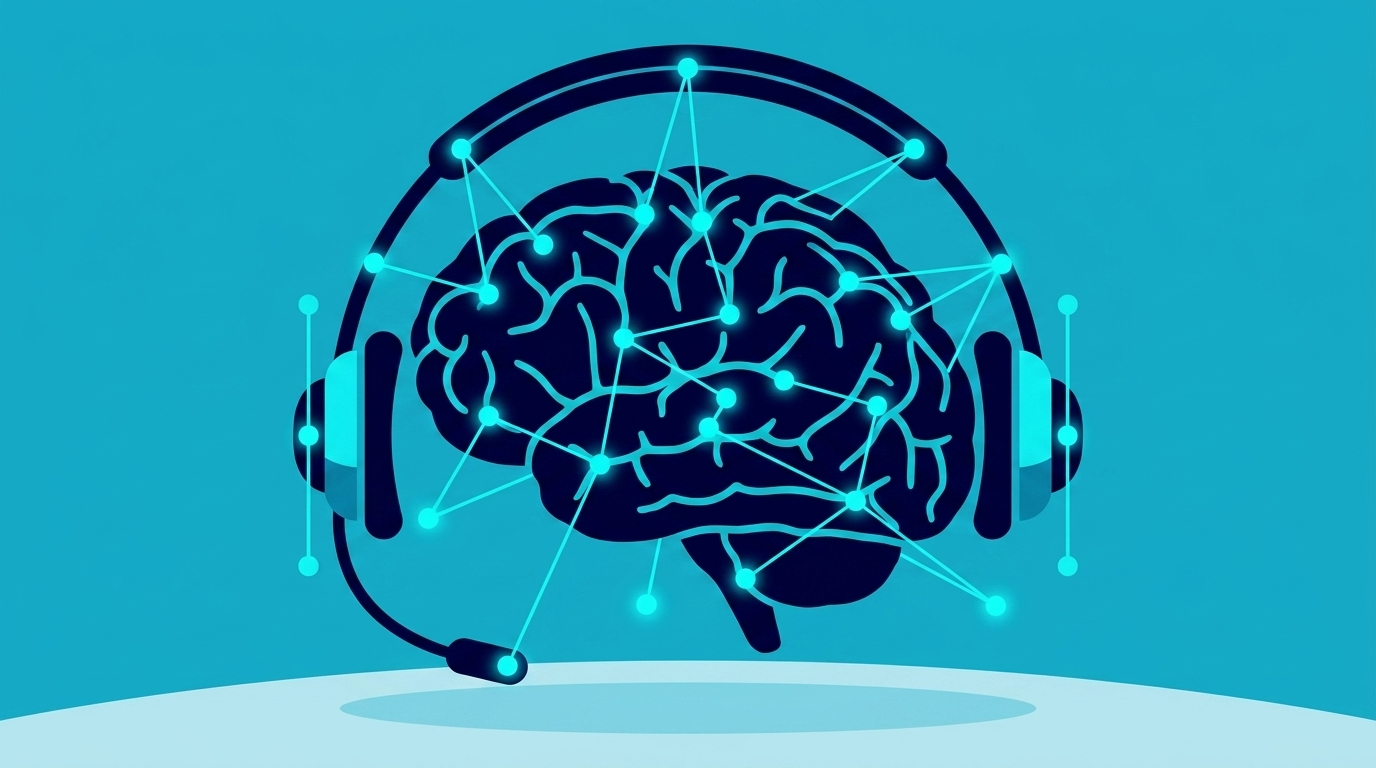
To understand how to prepare for high risk, we have to look at the science of human behavior under stress. When an emergency strikes, cognitive load skyrockets. The prefrontal cortex, which handles logic and complex decision making, begins to shut down. The amygdala takes over.
During this biological shift, people do not rise to the occasion. They fall to their level of preparation. If that preparation consisted solely of reading a handbook, the results are rarely favorable.
We need to ask ourselves a difficult question. Are we training teams for messy realities?
Compliance is easy to measure. You check a box. Reality involves overlapping variables, human error, and extreme time pressure.
Researchers who study high reliability organizations note that these groups do not rely on standard lectures. They recognize that human memory is fallible under duress. To bridge this gap, they turn to high risk scenario training. This method does not rely on passive reading. It places individuals into simulated environments where they must act.
The Mechanics of Active Scenario Training
Scenario training works by building muscle memory. By exposing your staff to controlled stress, you give them the opportunity to practice their response before the stakes are real. This practical application transforms abstract concepts into tangible actions.
Consider the core components of an effective high risk training program:
- Realistic variables that mimic actual working conditions and potential hazards.
- Time constraints that force rapid assessment and decisive action.
- Immediate feedback loops to correct errors in the moment.
- Safe environments where failure is treated as data, not punishment.
When a team practices a high risk scenario repeatedly, their neural pathways adapt. The brain learns that this situation, while dangerous, is manageable. The panic response diminishes. Clarity takes its place.

But implementing this kind of training is not just about avoiding disaster. It fundamentally shifts how your organization operates on a daily basis.
Fostering a Protective and Resilient Environment
This brings us back to the factory floor, or that digital crisis room. When a team undergoes realistic scenario training together, something shifts in the company culture.
Risk mitigation stops being the sole responsibility of the safety officer or the manager. It becomes a shared language. When every team member understands the consequences of a systemic failure, they begin to spot the early warning signs.
They prioritize safety first, not because they are told to, but because they have experienced the simulated consequences of ignoring it. This creates a deeply rooted psychological safety net.
This leads to an important organizational inquiry. How do we measure the impact of a disaster that never happens? We cannot easily quantify the accidents we prevent. However, we can observe the behavioral changes in our staff.
You will notice team members asking more questions and pausing before executing critical tasks to verify parameters. You will observe a shift in peer accountability. Most importantly, you will experience a reduction in the anxiety that plagues managers.
Closing the Loop on Leadership Anxiety
You do not have to have all the answers right now. Navigating business operations requires studying diverse fields, from psychology to logistics. It takes time and a willingness to confront uncomfortable realities.
By acknowledging the gaps in your current training methods, you take the first step toward building a truly resilient venture. You are proving your commitment to your team and your vision.
Let us revisit that initial moment of panic. The alarm sounds. Instead of freezing, your team moves with purpose. They know exactly what to do because they have been there before in a controlled setting. The manuals remain on the shelf because the knowledge is already in their minds.
As a manager, you can finally take a breath. You have given your team the tools they need to protect themselves and the business you are building together. You have replaced fear with practical preparation. And you can get back to focusing on the growth, impact, and longevity of your work.
Related Reading
Death of the Binder
Your newest hires learned from YouTube, not textbooks. Here's why your training is failing them.