





Pressure Testing Your Vision: Why Business Drills Build Unshakable Teams
Have you ever watched a fire truck speed down your street with its sirens blaring, only to realize later it was just a practice run? You might have felt a brief moment of alarm. Then, almost immediately, a sense of relief and security washes over you. Regular drills build public confidence by demonstrating that emergency services are fully prepared to handle any community crisis.
But what happens when the crisis is inside your own business?
Imagine a standard Tuesday morning. You have just poured your first cup of coffee. Suddenly, your phone lights up with urgent messages. Your top performing manager has just resigned unexpectedly. At the exact same time, your payment gateway crashes. To make matters worse, your primary vendor halts production without any warning.
Panic immediately sets in. Your team looks to you for answers. In that moment, you might realize you have never practiced for this specific combination of events. You are putting in the long hours to build something remarkable, but have you pressure tested the foundation?
Let us explore how the concept of emergency readiness translates into business resilience. We will look at why practicing for the worst might be the kindest thing you can do for your team.
The Psychology of Practicing for Failure
Emergency services do not run drills because they expect to fail. They run them because human brains do terrible things under sudden, immense stress. Cognitive function narrows. Critical decision making slows down.
In a business context, founders and managers often carry the weight of the world. You want your venture to thrive. You care deeply about your staff. Yet, the fear of missing a critical piece of information can be paralyzing. When everyone around you seems more experienced, imposter syndrome creeps in. You might feel like you are supposed to have all the answers naturally.
The truth is that no one has all the answers instinctively. The most seasoned executives rely on systems, practice, and preparation. They have simply failed enough times in private to look flawless in public. Science tells us that exposure therapy works. By simulating a stressful event in a controlled environment, we train our nervous systems to remain calm.
Identifying Your Hidden Vulnerabilities
Before you can run a drill, you must know what you are preparing for. Every business has unique fault lines. These are the areas where a single failure could cause cascading damage.
Consider these common organizational vulnerabilities:
- Single points of failure where only one person knows a vital process
- Technological dependencies on a single software provider
- Cash flow bottlenecks that could dry up operations in weeks
- Supply chain fragilities that rely on a specific geographic region
- Public relations missteps that threaten the core trust of your customer base
Take a moment to ask yourself what your biggest vulnerability is right now. If your main supplier disappeared tomorrow, what is your next call? If your website went dark during your busiest season, who is responsible for the fix?
Surfacing these unknowns is uncomfortable. It forces us to look at the cracks in the foundation of what we are building. However, ignoring vulnerabilities does not make them disappear.
Designing Your First Tabletop Exercise
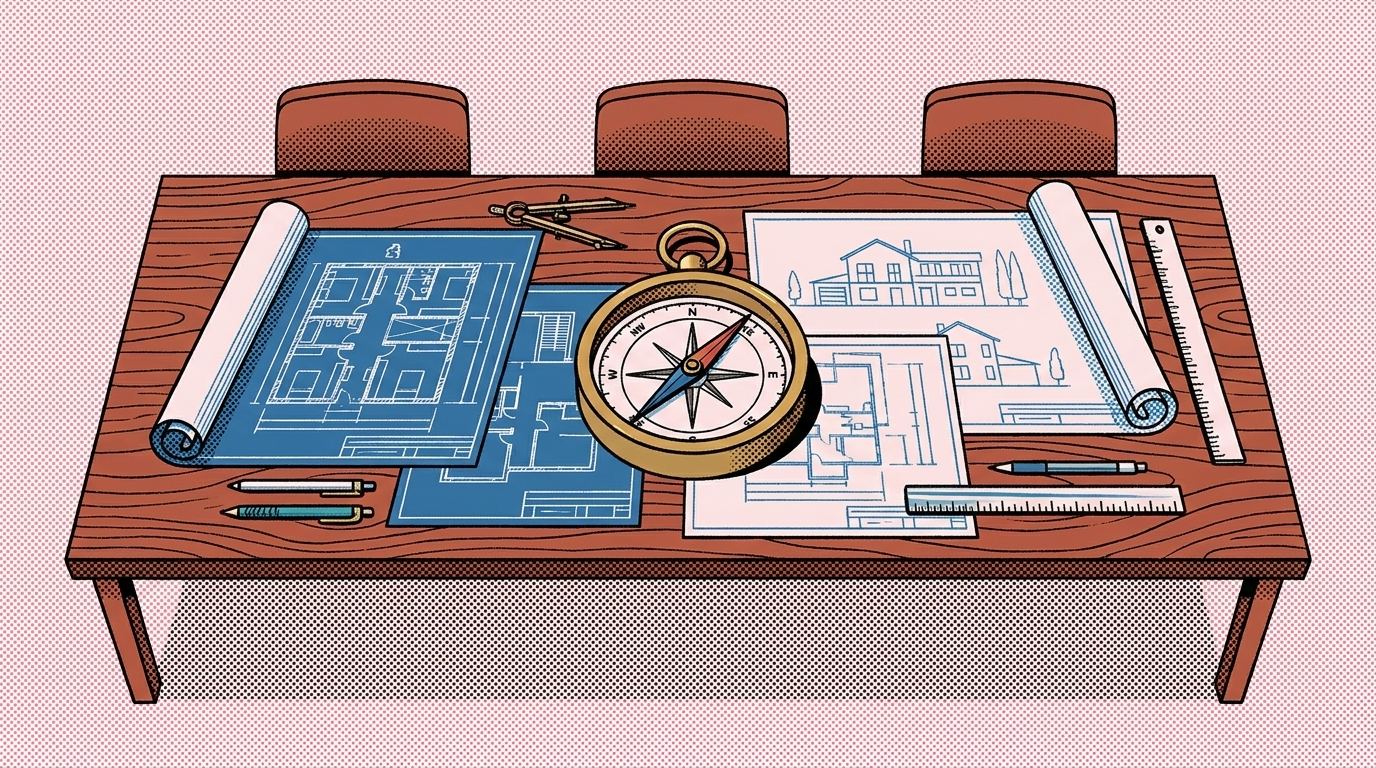
You do not need to pull the literal fire alarm to test your team. You can simply gather your core staff in a room and present a scenario. Give them the facts.
Imagine telling your team that it is your busiest sales day of the year and your checkout page is returning an error. Then, ask them what they do next.
Watch how they interact. Do they know who to contact? Do they understand their specific responsibilities? This exercise will reveal gaps in your processes that you never knew existed. You will find that documentation is out of date. You will discover that access permissions are held by the wrong people.
These discoveries are not failures. They are vital insights.
Embracing the Variables We Cannot Control
Even with the most rigorous practice, reality is rarely as clean as a drill. Emergency responders know that a real fire behaves differently than a controlled burn. What happens when your meticulously crafted plan falls apart in the first five minutes?
This is a question researchers in organizational behavior study constantly. They find that rigid plans break, but flexible teams survive. How do you teach flexibility?
You teach it by exposing your team to controlled chaos. There will always be variables you cannot anticipate. A global health event, a sudden shift in market regulations, or a new competitor disrupting your space. We must ask ourselves how we handle this ambiguity. When the drill does not match reality, do we freeze, or do we adapt? Do we blame each other, or do we collaborate to find a new path forward?
The goal of business preparedness is not to predict the future with perfect accuracy. That is impossible. The real objective is to build muscle memory.
Building a Foundation of Lasting Trust
We want to build businesses that last. We want to create environments where our teams feel empowered and secure. That requires us to do the hard work of looking into the dark corners of our operations.
When you bring these practices into your daily management routine, something shifts. The anxiety of the unknown begins to fade. You replace fear with actionable plans. Your team stops looking at you for every single answer because they now know the framework for finding the answers themselves.
Regular drills build public confidence. In your business, your team is your public. By preparing them for the worst, you are freeing them to build the best. The work is challenging, but the peace of mind it brings is worth every effort.
Related Reading
Death of the Binder
Your newest hires learned from YouTube, not textbooks. Here's why your training is failing them.