





The Science of the Sandbox: Training for High Pressure Decisions
Do you remember the last time you had to make a business critical decision in less than sixty seconds? Your heart rate spiked. Your palms might have started sweating. You looked at your team, and they were all waiting for you to tell them what to do next.
In that fraction of a second, you probably felt a cold wave of doubt. What if you chose wrong? What if this one choice unraveled months of hard work? The fear of missing a vital piece of information is a heavy weight. It is the silent burden of leadership. You want to build a lasting, impactful business, but the sheer volume of unknown variables can feel paralyzing. It is easy to look around and assume everyone else has more experience or a secret playbook you never received.
We often ask ourselves how some leaders seem to navigate these chaotic moments with absolute clarity. Are they just born with better instincts? We will come back to that moment of panic shortly, but first, we need to look at what is actually happening in your brain.
The Biology of a Business Crisis
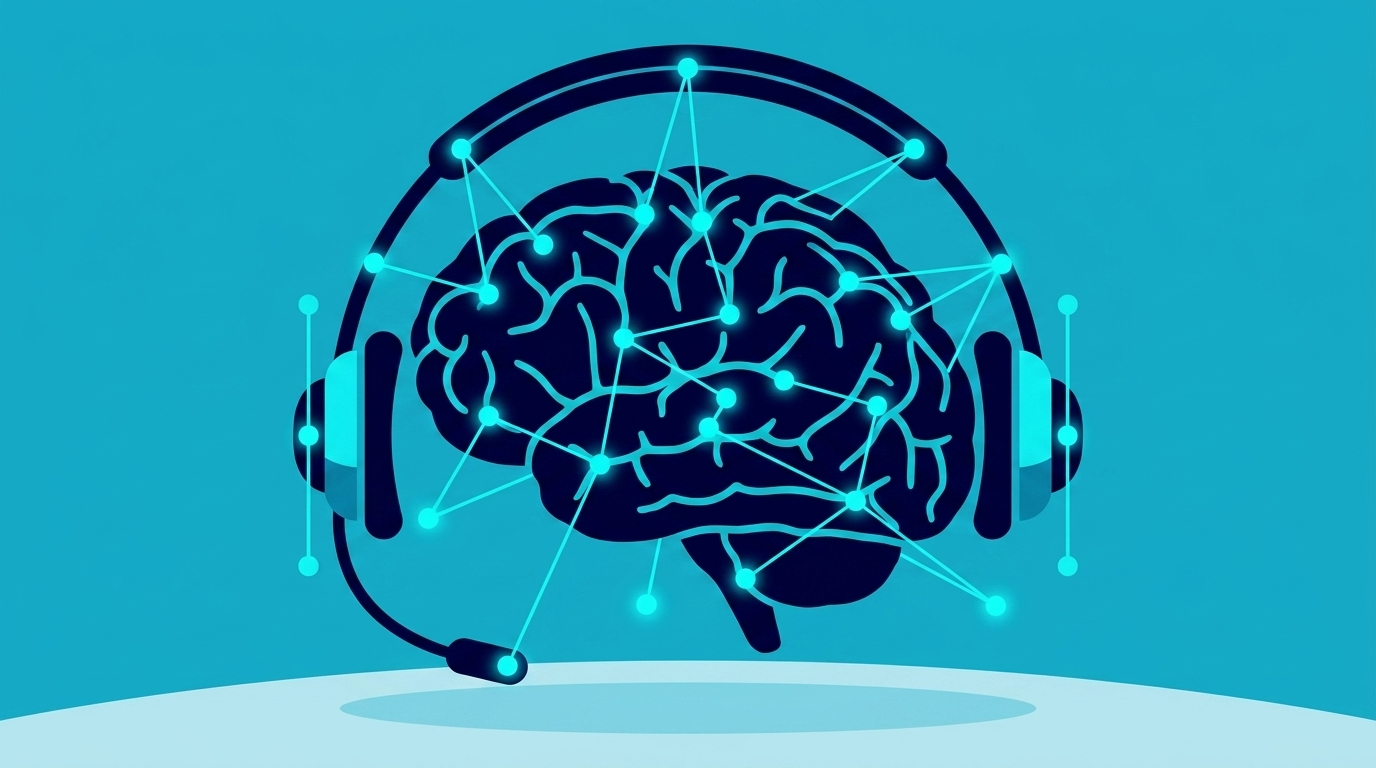
When a crisis hits, your brain does not care about your business plan. It relies on evolutionary survival mechanisms. The amygdala, which processes fear and threat, takes over. It diverts resources away from the prefrontal cortex. That is the exact part of your brain responsible for complex problem solving, logic, and long term planning.
This biological hijacking makes rapid decision making incredibly difficult. You are suddenly trying to process complex variables, customer needs, financial impacts, and team morale, all while your biology is telling you to run away or freeze. You are literally fighting your own anatomy to find the right answer.
Scientists have studied high stakes professionals like emergency responders and pilots for decades to understand how they bypass this freeze response. The data consistently points away from natural talent. It points directly to environmental conditioning.
This raises a fascinating question for us as business builders. How do we condition ourselves and our teams without having to experience actual catastrophic failure first? The cost of real world failure is often too high for a growing business to absorb.
Building the Sandbox
The answer lies in how we approach the concept of training. We often think of training as passive learning. We sit in a room, watch a presentation, and hope the information sticks. But passive consumption does not rewire the brain for high pressure moments. It does not help a manager who is terrified of making a mistake that impacts the livelihoods of their staff.
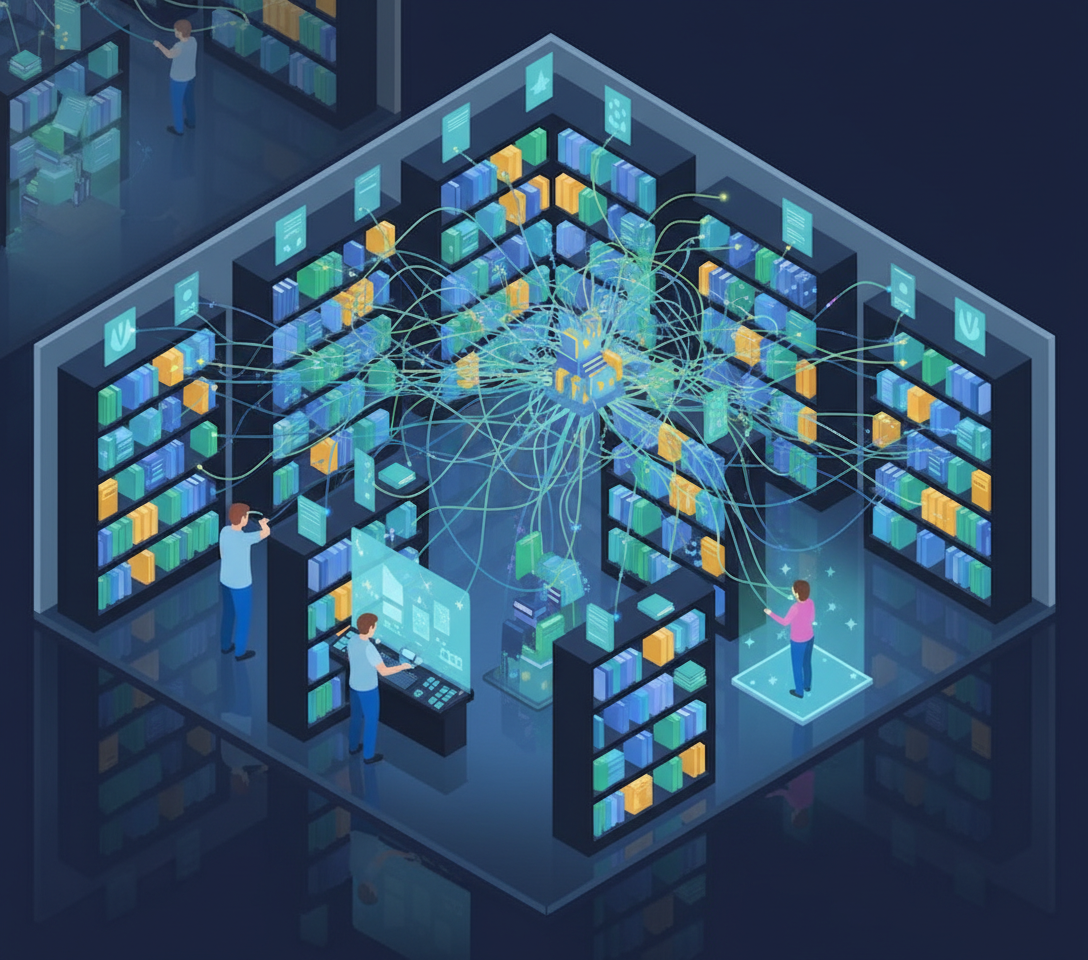
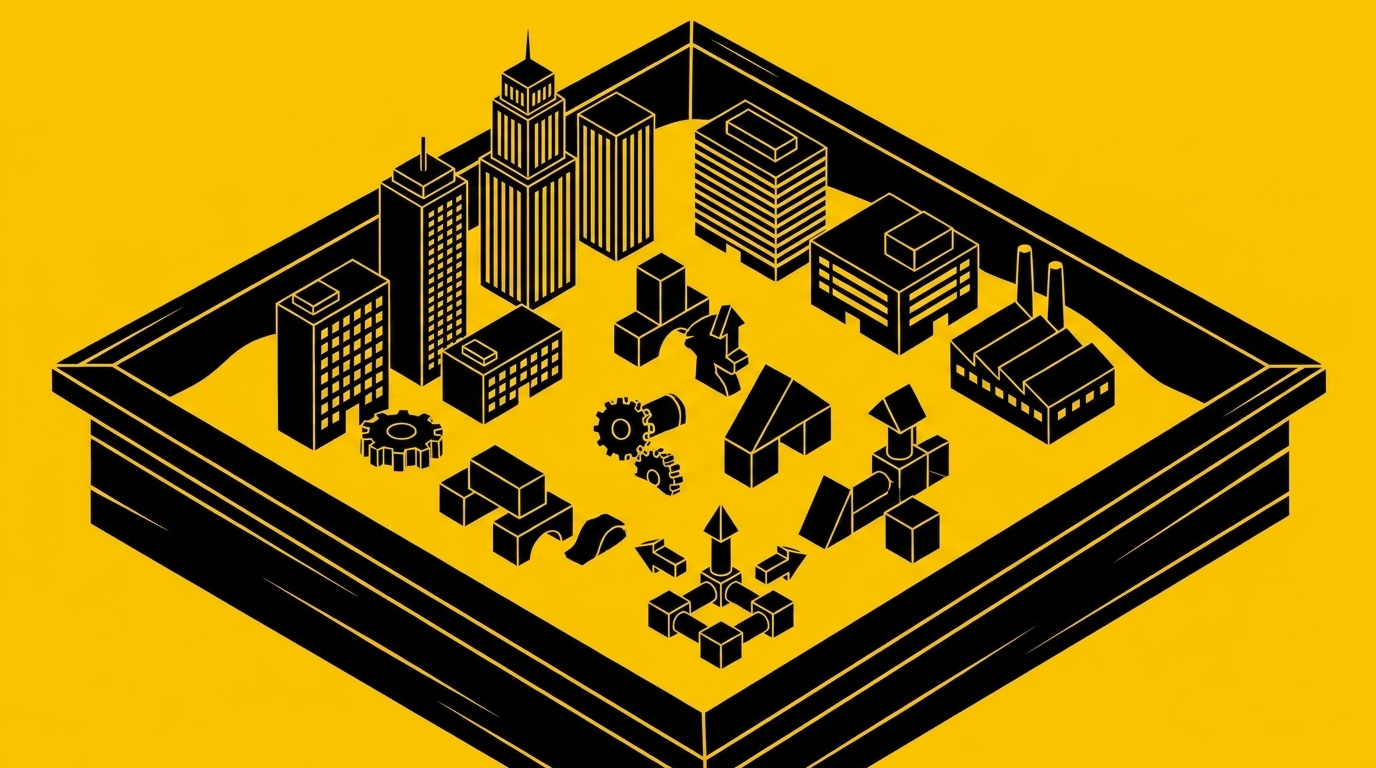
To change how we react under stress, training must provide a safe environment to practice rapid decision making. It needs to be a sandbox.
A sandbox is an environment where actions have immediate feedback but zero permanent consequences. When you or your staff step into this kind of training environment, you are doing more than memorizing facts. You are building cognitive muscle memory. You are giving your brain a reference point so that the next time a crisis occurs, it recognizes the pattern instead of hitting the panic button.
Here are the core elements that make a training environment effective for decision making:
- Immediate and clear feedback on choices made
- Increasing levels of complexity and variables
- Time constraints that mimic real world urgency

Passive consumption does not rewire the brain. - Realistic scenarios based on your actual business model
- A culture of psychological safety where failure is expected
When your team fails in the sandbox, they learn the boundaries of a problem. They learn how to weigh complex variables under intense pressure without the fear of bankrupting the company or losing a key client. They learn how to collaborate when the stakes feel high but are actually zero.
Closing the Loop on Panic
Let us go back to that moment of sixty second panic we talked about earlier. The leaders who navigate those moments smoothly are not relying on better natural instincts. They have simply been in the sandbox more often.
They have faced a simulated version of that exact crisis dozens of times. By practicing rapid decision making in a safe environment, they trained their brains to keep the prefrontal cortex engaged even when the alarms are sounding. The variables were complex, the pressure was intense, but they had already built the neurological pathways to handle it.
This shifts our entire perspective on how we develop our people. Instead of trying to shield our teams from complex decisions until they are fully ready, we should be exposing them to simulated complexity as early as possible. We want them to feel the pressure in a space where we can pause, analyze what went wrong, and try again without the sting of a real world loss.
The Unknowns We Still Face
While the mechanics of stress and training are well documented, there is still a lot we are trying to figure out in the business world. Human dynamics are messy and incredibly nuanced.
We do not fully know how individual backgrounds affect a person’s ability to engage in simulated pressure. For example, how does prior workplace toxicity impact a new employee’s willingness to fail in a sandbox environment? We are still learning how to balance the need for realistic stress in training with the absolute necessity of maintaining psychological safety.
If the simulation is too easy, it is useless. If it is too stressful, it causes genuine anxiety and defeats the purpose. Finding that perfect line is the ongoing work of a good manager.
You are not just building a product or a service. You are building an ecosystem where people can learn how to be resilient. It takes time. It requires you to learn fields like behavioral psychology alongside cash flow projections. But the payoff is immense. You are building a solid foundation. You will eventually have a team that can stand shoulder to shoulder with you in the chaos, look at the complex variables, and confidently make the right call.
Related Reading
- What is a Sandbox in Business Technology?
- Building a Skills Based Organization through Agile Sandbox Environments
- Moving Beyond the Sandbox: Why Traditional Software Training is Failing Your Team
- Alternatives to Panic: Overcoming The Freeze with Breath and Iteration
- Overcoming the Freeze: Building Muscle Memory for Professional Growth
Death of the Binder
Your newest hires learned from YouTube, not textbooks. Here's why your training is failing them.