Bridge Maps Skills. But Does Your Team Actually Remember the Training?
Bridge has built a solid reputation in workforce development. With a 4.51/5 rating on eLearningIndustry (26 reviews) and a 4.6/5 on Gartner Peer Insights (13 reviews), it’s a respected learning and performance platform. Founded in 2008, Bridge combines an LMS with a 32,000-skill database, AI-powered skills gap analysis, and performance management tools in a single platform.
We respect that. If your priority is mapping skills to roles and tracking workforce capabilities, Bridge does it well.
But here’s the question most buyers overlook: does identifying a skills gap actually close it?
A platform that tells you where the gaps are doesn’t solve the fundamental problem: traditional course-based delivery produces forgettable training. Employees complete modules, check boxes, and forget 70% of the material within a week. That’s not a Bridge problem - it’s an LMS architecture problem. Skills databases don’t fix the forgetting curve.
4.51/5
Bridge rating on eLearningIndustry (26 reviews)
70%
Of training content forgotten within one week without reinforcement
$1,280
Average annual training spend per employee (ATD 2022)
What Bridge Does Well
Credit where it’s due. Bridge excels in several areas:
- Skills mapping at scale - A database of 32,000+ skills aligned with job market data lets you build a skills taxonomy, assess coverage across your org, and identify gaps. Few LMS platforms match this depth.
- Unified learning and performance - Bridge combines LMS, performance management, and career development in one platform. Gartner reviewers highlight the integrated “Careers” and “Teams” sections for a 360-degree view of employee progress.
- Clean learner experience - Gartner reviewers praise the “slick interface.” Learners get a personalized library with course recommendations and reminders when training is due.
- Broad use cases - Supports onboarding, compliance, customer training, workforce development, and extended enterprise from a single account.
- Strong standards support - SCORM 1.1, 1.2, 2004, xAPI/Tin Can, and AICC compatibility. Integrates with ADP, BambooHR, Okta, Slack, and more.
Bridge makes the case that skills data should drive training decisions. On that front, they deliver.
Where the Skills-Based LMS Model Falls Short
The challenge isn’t Bridge specifically - it’s the assumption that identifying skills gaps is the same as closing them:
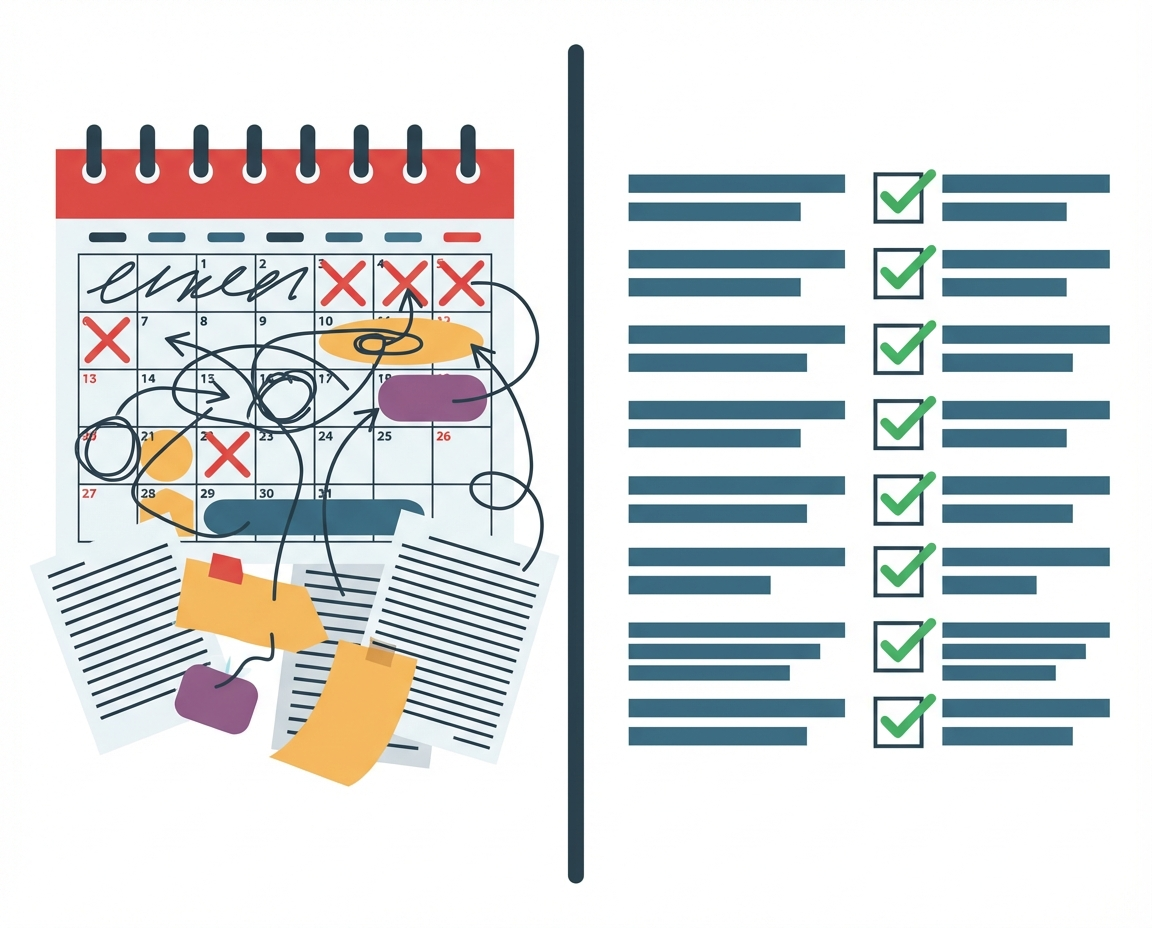
- Diagnosis without a cure - Bridge excels at telling you which skills your workforce lacks. But the training delivery itself remains course-based: employees complete modules once and move on. Knowing the gap exists doesn’t change how the training is retained.
- Shallow reporting and analytics - Gartner reviewers flag “shallow reporting and analytics” as a limitation. Tracking completions tells you who finished training, not who retained it.
- Limited customization - Gartner reviewers note “limited customization options” and “limited integration depth” for organizations with specific workflow or branding needs.
- Basic assessment tools - Reviewers cite “basic assessment tools” that don’t provide the depth needed to verify real knowledge retention over time.
- No AI coaching - Bridge doesn’t generate an on-demand AI coach from your training materials. Employees who need help after training have nowhere to turn for context-specific answers.
- Manual content creation - Someone still has to build every course. Bridge doesn’t auto-generate training from your existing documentation, SOPs, or handbooks.
| Dimension | Bridge | HeyLoopy |
|---|
| Learning approach | Course-based modules with skills mapping overlay | AI-powered daily micro-lessons with spaced repetition |
| Content creation | Manual course building, SCORM import, content partnerships | AI generates training from your documents automatically |
| Retention method | Quiz at end of course, completion tracking | Spaced repetition + active recall, adaptive to each learner |
| AI capabilities | Skills gap analysis, course recommendations | AI coach answers questions from your knowledge base 24/7 |
| Time investment | Hours of course creation + 30-90 min learner sessions | Upload docs, AI handles the rest. 5-10 min daily for learners |
| Best for | Orgs focused on skills taxonomy and workforce planning | Teams that need training to stick, not just be completed |
Why this matters
Organizations spend $1,280 per employee per year on training (ATD). If 70% is forgotten within a week, that's $896 per employee wasted annually. The question isn't whether Bridge can map your skills gaps - it's whether the training it delivers actually closes them. A platform that produces lasting knowledge retention fundamentally changes the ROI equation.
What’s Inside the Full Comparison
Our free position paper covers everything you need to make an informed decision:
- Detailed Bridge profile - Features, pricing, Gartner and eLearningIndustry ratings, customer segments, and honest strengths
- Feature-by-feature comparison across 12 dimensions including content creation, retention methods, AI capabilities, analytics, and scalability
- The cognitive science case for why micro-learning and spaced repetition outperform traditional course delivery
- Three real-world scenarios (onboarding, product knowledge, compliance) showing how each platform handles common training challenges
- Pricing analysis including hidden costs like content creation time and skills platform add-on fees
- Migration and coexistence guide - HeyLoopy works alongside your existing LMS, no rip-and-replace required
Free ToolCalculate Your Training ROI
See how much your organization saves with AI-powered micro-learning. Get a printable business case in seconds.