You wake up at three in the morning wondering if your most productive employee is about to burn out or if your quietest staff member has the leadership skills to run the department one day. It is a lonely place to be. You want to build a legacy and something solid that lasts, but you are navigating a maze of human personalities and unpredictable growth. The 9-Box Grid
is a tool meant to help you map that territory. It is not a magic solution, but it provides a framework to help you stop guessing and start planning.
Defining the 9-Box Grid
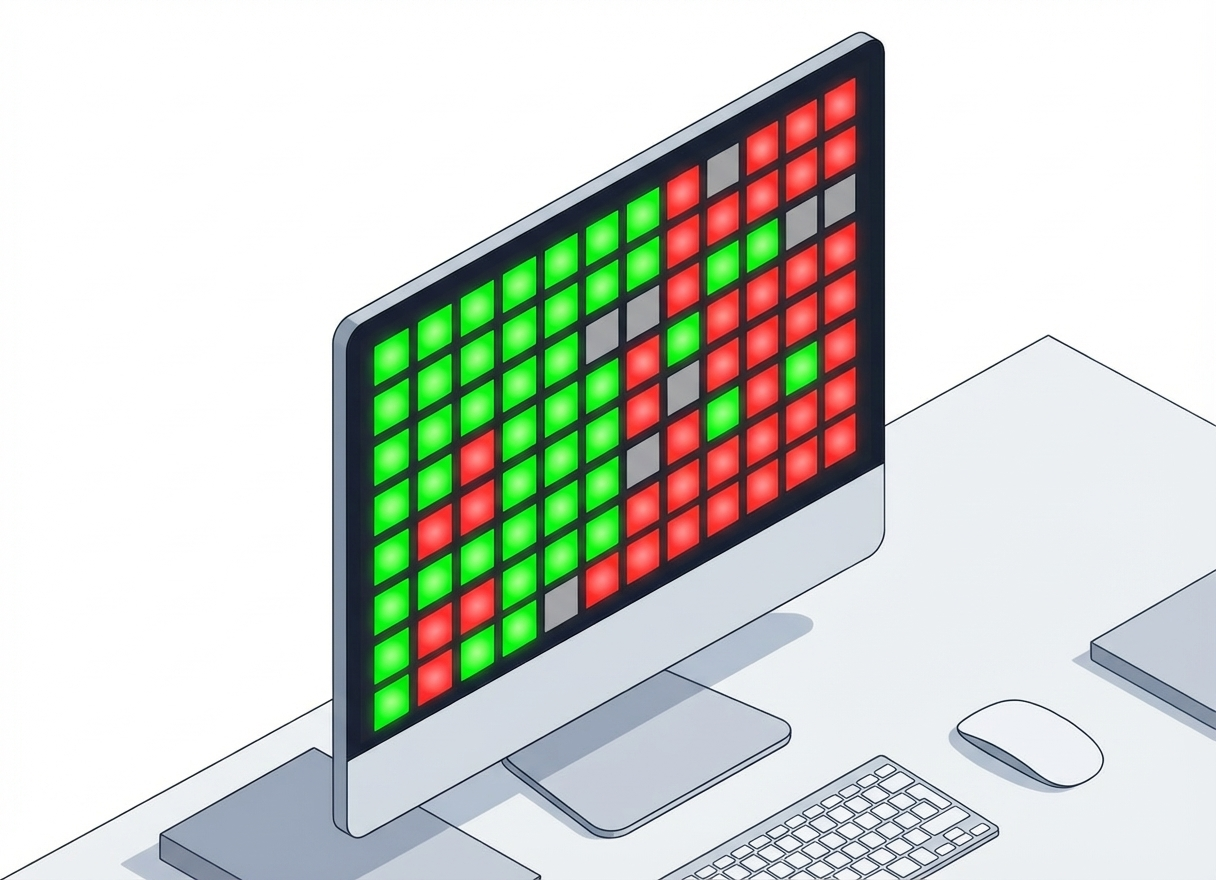
At its core, the 9-Box Grid is a visual matrix used to assess your workforce. It looks like a square divided into nine smaller squares. One side represents performance, which is a measure of how well an employee is doing their current job right now. The other side represents potential, which is an estimate of their capacity to grow into more complex roles or take on greater responsibilities in the future.
When you place your team members into these boxes, you begin to see a clear picture of where your strength lies. It helps you categorize your staff into specific groups:
- Core players who are steady and reliable in their current roles.
- High
potentials who are the future leaders of your organization.
- Underperformers who might be in the wrong role or need a different kind of support.
- Enigmas who show high potential but have low current output.
Understanding the difference between performance and potential is critical for any manager who feels overwhelmed by team dynamics. Performance is backward-looking. It is based on data, hitting targets, and meeting expectations. It is what they have already done. Potential is forward-looking. It is a calculated estimate about what someone might be capable of doing if given the right environment and training
.
The 9-Box Grid forces you to separate these two concepts. We often make the mistake of assuming our top performer is naturally our next manager. This tool challenges that assumption. A brilliant individual contributor might have very low leadership potential. By separating these metrics, you can reward performance without accidentally promoting someone into a position where they will struggle. It provides a level of clarity that helps you de-stress because you are no longer relying on gut feelings alone.
Using the Grid in Business Scenarios
This tool is particularly useful when you are facing specific growth milestones. If you are planning to expand your operations or launch a new product line, you need to know who is ready to step up. This is not about getting rich quickly. It is about building a foundation that is solid and sustainable.
You might use the grid in these specific situations:
- Identifying who needs immediate coaching to improve their current day to day output.
- Determining who should receive specialized leadership training for future roles.
- Planning for succession so the business does not stall if a key
person leaves.
- Allocating your limited time and resources to the people who will provide the most long-term value.
Comparing the Grid to Traditional Reviews
A standard annual review usually looks at how someone did over the last twelve months. It is often a one-dimensional conversation about past mistakes or successes. The 9-Box Grid is a multi-dimensional tool. While a review tells you what happened, the grid tells you what could happen. It moves the conversation from history to strategy.
However, there are unknowns we must acknowledge. How do we objectively measure potential? Unlike sales figures, potential is subjective. It is prone to the unconscious biases of managers. We have to ask ourselves if we are seeing actual potential or if we are just seeing someone who reminds us of ourselves. How much of potential is innate and how much is a result of the environment we create? These are questions that a manager must weigh as they use the grid.
Navigating the Human Complexity
Using this tool requires a level of honesty that can be uncomfortable. It requires you to look at your team and admit where the gaps are. For a manager seeking to build a world-changing company, this clarity is the only way to find peace of mind. It allows you to focus your energy
where it matters most. Instead of feeling a general sense of anxiety about your staff, you can look at the grid and see exactly where you need to provide more guidance or where you can finally step back and let someone else lead.