What is a Behavioral Indicator?
It is a situation every business owner faces eventually. You are sitting across from a team member during a review, or perhaps looking at a resume for a critical hire. You have a gut feeling. Maybe you feel the employee is not collaborative enough, or you feel the candidate is a perfect culture fit.
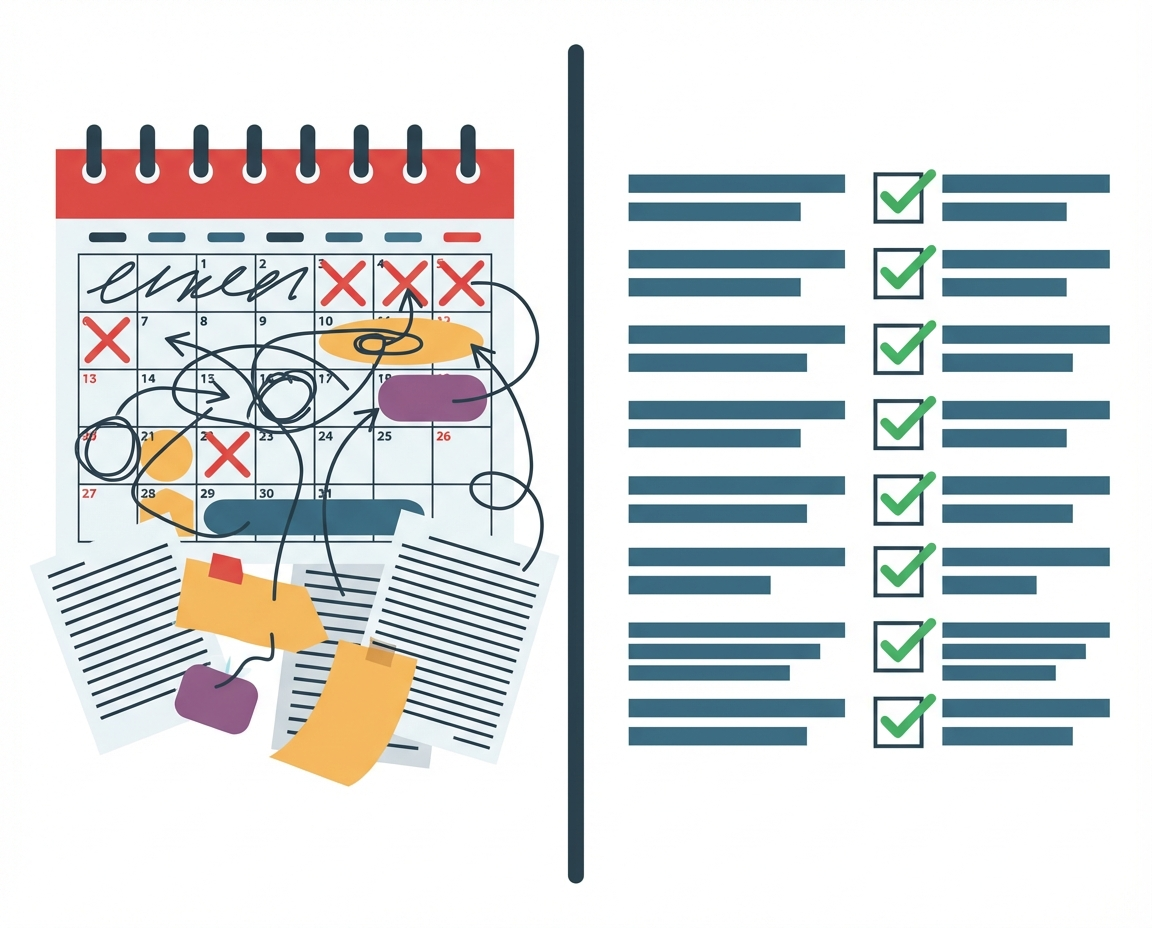
But when you try to explain why, you stumble. You use words like bad attitude or good energy or proactive. These are feelings, not facts. Relying on them creates anxiety because deep down you worry you might be biased or unfair. It also frustrates your team because they do not know exactly what they need to change to succeed. This is where the concept of the behavioral indicator becomes a vital tool in your management toolkit. It moves you from intuition to evidence.
Defining Behavioral Indicators
A behavioral indicator is a clear, observable action that demonstrates a person possesses a specific skill or competency. It is the proof in the pudding. In the world of human resources and organizational development, we often talk about competencies, which are the broad skills needed for a job, such as communication or strategic thinking.
However, those terms are abstract. They mean different things to different people. A behavioral indicator breaks that abstraction down into something you can see, hear, and measure. It answers the question: If someone was excellent at this, what would I see them doing?
- Instead of saying someone is a good communicator, a behavioral indicator would be: Translates complex data into simple summaries during team meetings.
- Instead of saying someone is proactive, an indicator would be: Identifies potential project risks and suggests solutions before problems occur.
Behavioral Indicators vs. Subjective Opinions
The hardest part of management is often separating the person from the performance. When we rely on subjective opinions, we open the door to miscommunication. You might tell an employee they need to be more professional. To you, that means arriving five minutes early. To them, it might mean wearing a suit. Both of you end up frustrated.
Behavioral indicators remove this ambiguity. They act as a neutral third party. When you define the specific behaviors required for success, you are no longer criticizing a personality; you are discussing agreed-upon actions. This shift is crucial for reducing stress. It allows you to say, We need to see X behavior, rather than, You are not doing a good job.
Using Indicators in Hiring Scenarios
Hiring is frightening. You are bringing a stranger into the business you built. The cost of a bad hire is incredibly high, not just financially but emotionally. Behavioral indicators serve as your anchor during interviews.
Rather than asking hypothetical questions, you look for evidence of past behaviors that predict future performance. If adaptability is a key competency for the role, you do not ask, Are you adaptable? Everyone will say yes. Instead, you look for the indicator: Adjusts tactics immediately when presented with new market data.
You can then structure your interview questions to unearth that specific action. You ask for a time they had to pivot a strategy based on data. If they cannot provide the behavioral evidence, you have your answer.
Implementing Indicators for Team Growth
Your goal is to build a team that can operate without you constantly holding their hands. To do that, they need a roadmap. Behavioral indicators provide the rungs on the ladder of development. When an employee asks how to get promoted, you can provide a list of observable actions they need to demonstrate consistently.
- Level 1 Indicator: Follows standard operating procedures without error.
- Level 2 Indicator: Updates standard operating procedures to improve efficiency.
- Level 3 Indicator: Trains others on standard operating procedures.
This clarity empowers your staff. They are no longer guessing what is in your head. They have a clear path to mastery. It also allows you to sleep better at night, knowing that your standards are documented and understood, rather than relying on your constant presence to enforce quality.
The Challenge of Precision
While this sounds straightforward, the work of defining these indicators is difficult. It requires you to slow down. You have to analyze your own expertise and deconstruct it. You have to ask yourself: What is it exactly that makes my best employee so good? It is rarely just talent. It is a series of small, repeatable actions. Identifying those actions is the first step toward building a business that lasts.