What is a Franchise?
Building a business from the ground up is often a lonely endeavor. You spend your nights worrying about supply chains, branding decisions, and whether your operational processes will hold up under pressure. It is natural to look around and wonder if there is a way to bypass some of the trial and error. This is usually where the concept of a franchise enters the conversation. It represents a different path to business ownership, one that trades total autonomy for a proven roadmap.
At its core, a franchise is a method of distributing products or services. It is a legal and commercial relationship between the owner of a trademark, service mark, trade name, or advertising symbol and an individual or group seeking the right to use that identification in a business. For a manager or owner looking to scale or enter a new market, understanding the specific mechanics of this relationship is vital to deciding if it aligns with your personal risk tolerance and leadership style.
Understanding the Franchise Agreement
When we strip away the branding, a franchise is a licensing agreement. It is a contract where a party, known as the franchisee, acquires access to a business’s proprietary knowledge, processes, and trademarks from the franchisor. This is not merely buying the right to use a logo. You are purchasing a system.
Included in this agreement are usually several key components:
- Proprietary Knowledge: This includes the operations manual, recipes, or service protocols that make the business distinct.
- Trademarks: The right to use the brand name which ostensibly carries existing customer trust.
- Ongoing Support: This can range from marketing materials to staff training programs.
In exchange, the franchisee generally pays an initial start-up fee and ongoing licensing fees or royalties. This creates a symbiotic yet complex relationship where your success is contractually tied to the performance and reputation of the parent entity.
The Franchisor and Franchisee Dynamic
For a manager accustomed to making every decision, the franchise dynamic requires a shift in mindset. The franchisor provides the blueprint, and the franchisee provides the execution. This split can be a relief for some and a constraint for others.
- The Franchisor: Their role is to protect the brand equity and innovate on the macro level. They handle national marketing and R&D.
- The Franchisee: Your role is operational excellence. You manage the team, handle local customer service, and ensure the daily execution matches the blueprint.
This dynamic raises an important question for you to reflect on. Are you looking to build a unique culture from scratch, or are you looking to execute a proven play with high efficiency? There is no wrong answer, but there is often a mismatch between a leader’s personality and the business model they choose.
Comparing Franchises to Independent Startups
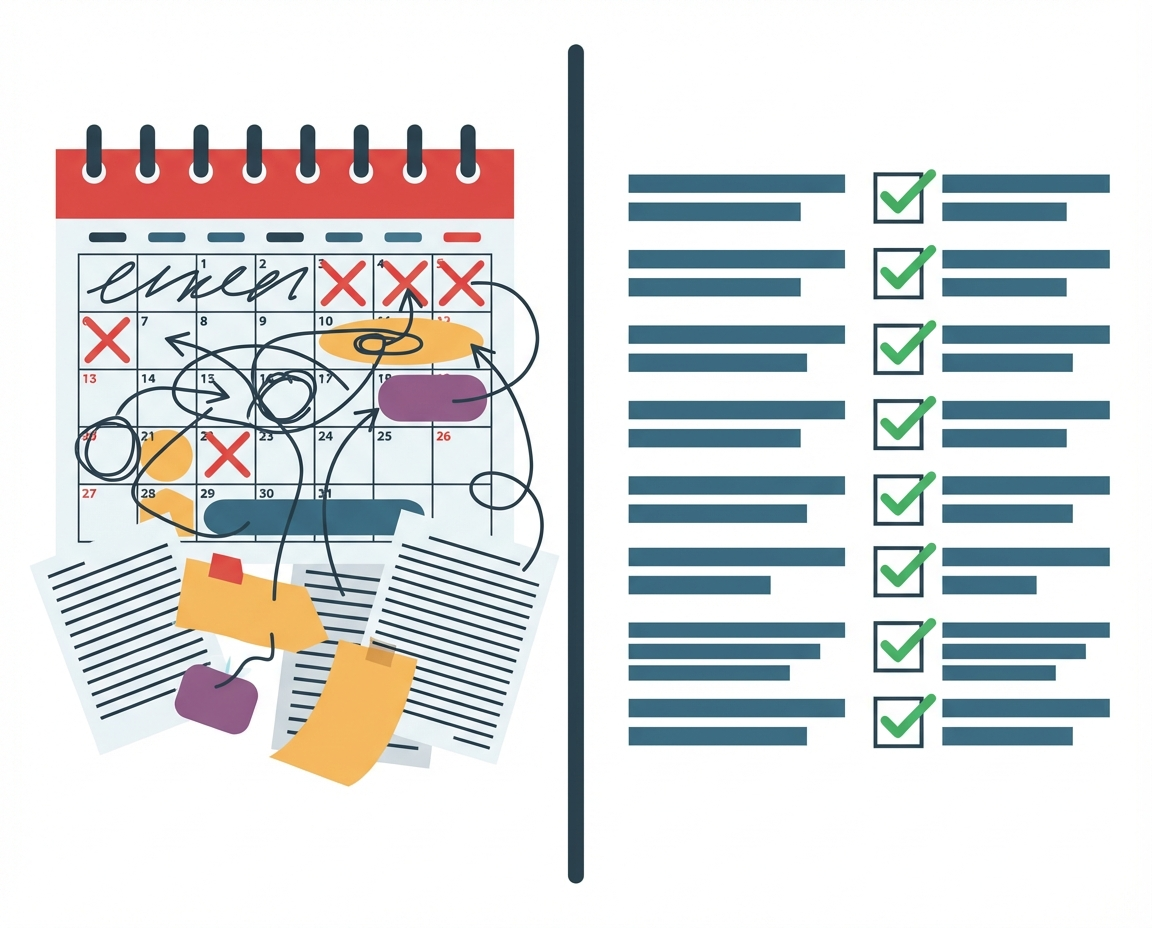
The primary alternative to a franchise is the independent startup. When you build independently, you own 100% of the risk and 100% of the creative control. You can pivot your strategy overnight if the market changes. In a franchise, pivoting is rarely an option without corporate approval.
However, the independent route requires you to build every system yourself. You must write the HR manual, source the vendors, and design the logo. A franchise offers immediate infrastructure. The comparison largely comes down to speed versus control. Do you want to start running immediately on a track built by someone else, or do you want to pave the road yourself?
When to Consider Franchising Your Business
Perhaps you are not looking to buy a franchise, but rather you are a successful business owner looking to grow. Franchising is a powerful leverage strategy for expansion. It allows you to grow your footprint using the capital and labor of others.
However, this requires your business to be incredibly systematized. You must be able to document every aspect of your operation so that a stranger can replicate your success in a different location. It forces a level of discipline and documentation that many businesses lack. Ask yourself if your processes are robust enough to survive without your physical presence. If the answer is no, you are likely not ready to become a franchisor.
The Unknowns of the Model
While the data suggests franchises often have lower failure rates than independent startups, the statistics can be misleading. Success in a franchise still relies heavily on your ability to lead people. A strong brand cannot fix a toxic local team culture.
We must also consider the cost of rigidity. In a rapidly changing economic environment, does being tied to a large ship prevent you from steering around an iceberg? These are the trade-offs that do not show up in the brochure. As you navigate your journey, consider if the safety of a system outweighs the potential innovation of building something entirely new.