What is a Gap Analysis?
You are building something meaningful. You have the vision and the drive, but sometimes it feels like the machinery of your business is not quite keeping up with the speed of your ambition. You might wake up at night worrying that your software, your workflows, or your information systems are quietly leaking value or missing the mark entirely.
This is a common fear. As businesses grow, the systems that worked yesterday often fail to meet the requirements of today. You suspect there is a disconnect between what your business needs to do and what it is actually capable of doing right now. In management terms, this disconnect is quantifiable. It is not just a feeling of anxiety. It is a problem that can be solved using a tool called a Gap Analysis.
Understanding the Core of Gap Analysis
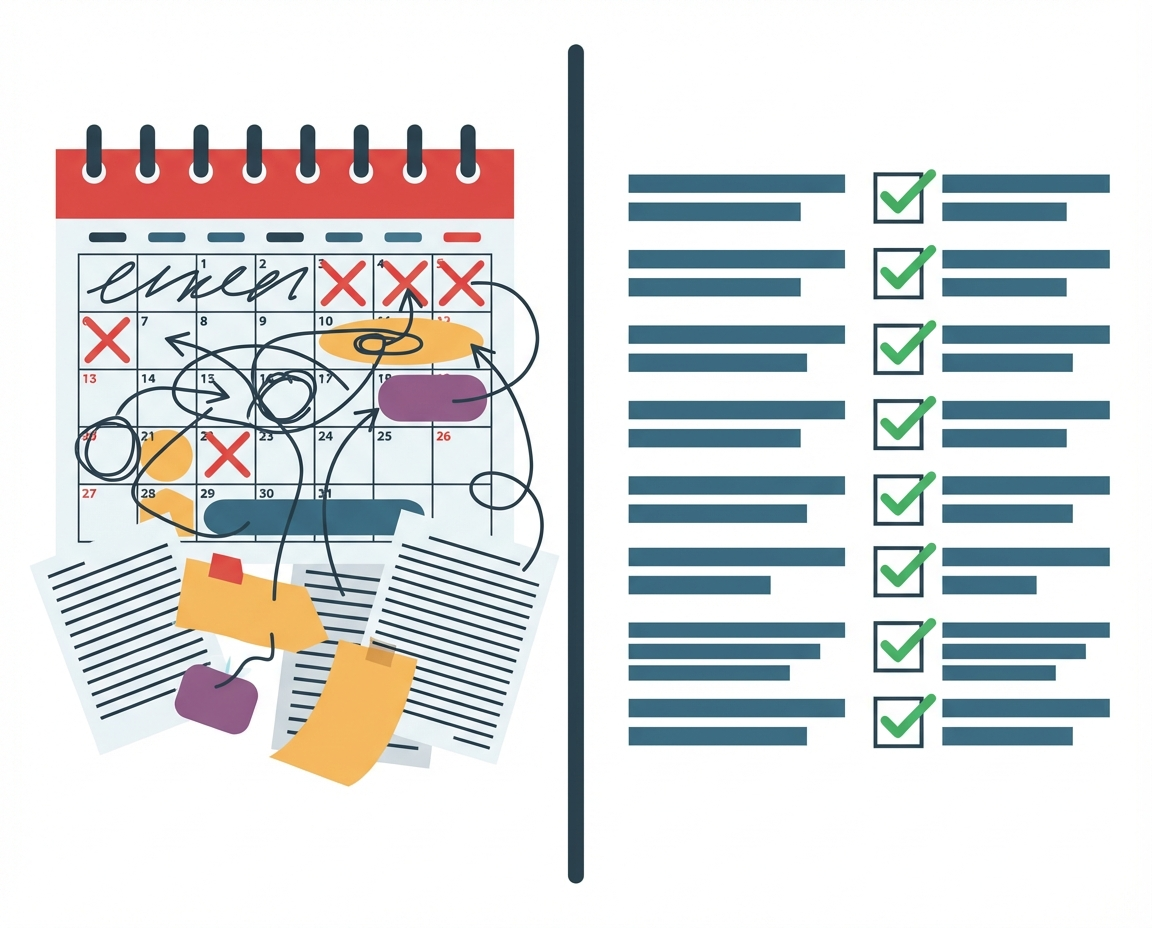
A Gap Analysis is a method of assessing the differences in performance between your business’s information systems or software applications to determine whether business requirements are being met. It is the act of defining the space between your current state and your desired future state.
Think of it as a reality check for your infrastructure. You have a destination in mind for your company. You also have a current reality. The Gap Analysis identifies the specific shortcomings, missing features, or performance lags in your current setup that prevent you from reaching that destination.
It removes the emotion from the problem. Instead of feeling overwhelmed by a vague sense of inefficiency, you are left with a concrete list of disparities. It shifts your mindset from worrying about what you are missing to analyzing the data of what is absent.
When to Conduct a Gap Analysis
Timing is everything when you are managing a team and a budget. You do not need to run a formal analysis every week, but there are specific inflection points where this tool provides the clarity you need to make decisions.
Consider performing a Gap Analysis in these scenarios:
- System Upgrades: Before you spend money on new software, you need to know exactly what your current software fails to do. This prevents you from buying shiny tools that do not actually solve the root problem.
- Performance Drops: If your team is complaining that data entry takes too long or that reports are inaccurate, a Gap Analysis investigates the technical root of that friction.
- Expansion: When you are ready to scale, your current systems might break under the load. This analysis highlights the weak points before they become critical failures.
Gap Analysis Compared to Needs Assessment
It is easy to confuse a Gap Analysis with a Needs Assessment, but they serve different functions in your management toolkit. A Needs Assessment is often broad and explores what is necessary to solve a general problem or achieve a goal, often starting from a blank slate.
In contrast, a Gap Analysis is strictly comparative. It looks at what you already have in place and measures it against a specific standard or requirement.
- Needs Assessment: Asks “What do we need to solve this problem?”
- Gap Analysis: Asks “Why is our current system failing to meet the requirement we already identified?”
For a busy manager, the Gap Analysis is often more tactical. It deals with the immediate reality of your operations and provides a list of things to fix, upgrade, or change within your existing framework.
The Unknowns in Your Gap Analysis
While this process relies on data and facts, it is important to acknowledge that we rarely have 100% of the information. As you look at the gaps in your systems, you should also leave room for questions we still do not know the answers to. This helps you avoid jumping to conclusions.
When looking at a performance gap, ask yourself these difficult questions:
- Is the gap caused by the software itself, or is it a gap in how my team has been trained to use it?
- Are the business requirements I am measuring against actually realistic, or did we set the bar too high for our current stage of growth?
- If we close this gap technically, will it actually result in the business value we expect, or are we just optimizing a process that should not exist?
Moving from Analysis to Action
The goal of a Gap Analysis is not to produce a document that sits on a shelf. It is to give you the confidence to act. Once you see the gap, you can build the bridge. You can decide to patch the existing system, integrate a new module, or replace the system entirely.
By engaging in this process, you stop operating on fear and start operating on facts. You acknowledge that building a business is messy and complex, but you are willing to do the work to untangle that complexity. It is about ensuring your foundation is solid enough to support the incredible things you are trying to build.