Running a business can often feel like you are trying to pilot a plane while sitting in the cargo hold. You see the dials and you hear the engines, but you are disconnected from the actual flight. This distance creates a specific kind of anxiety for managers who care deeply about their venture. You worry that your decisions are based on outdated reports or filtered feedback. You wonder if your team
feels supported or if they are just following orders that no longer make sense on the ground. This is where the concept of the Gemba Walk
becomes a tool for clarity.
Defining the Gemba Walk
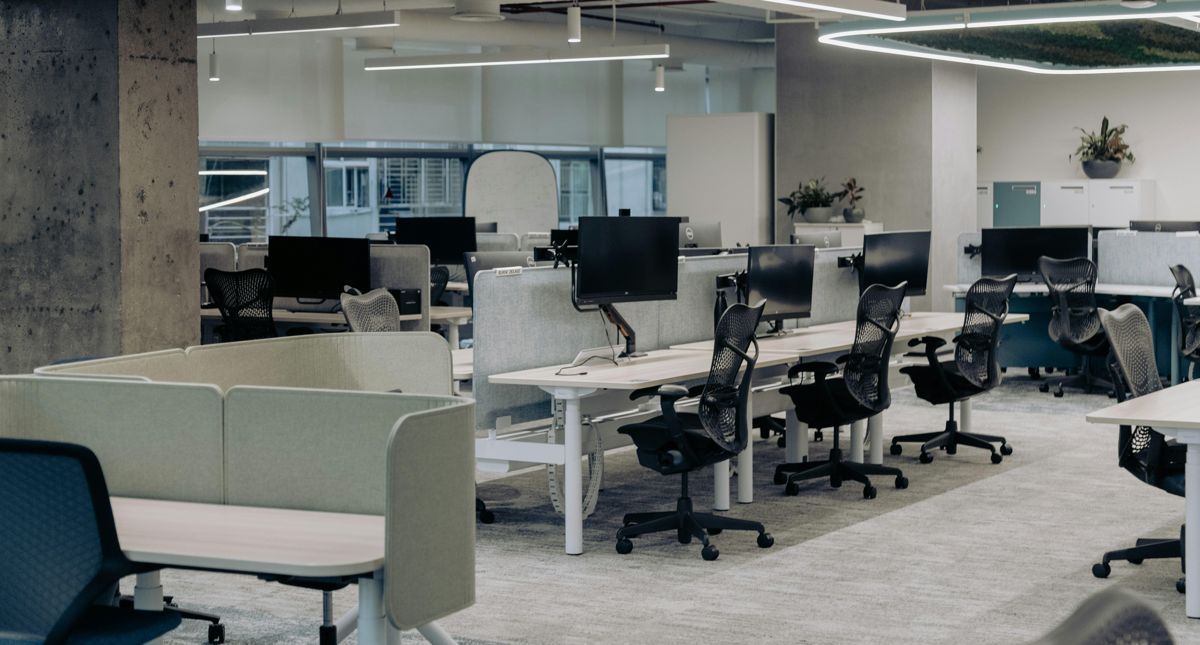
The term Gemba comes from the Japanese word meaning the real place. In business terms, this is where the actual value is created. It might be the kitchen in a restaurant, the floor of a manufacturing plant
, or the support tickets in a software company. A Gemba Walk is the act of leaving your desk to go to that real place.
It is not about a quick stroll to say hello. It is a structured process of observation. You go to see how the work is actually being done. You look for the gap between how a process is documented and how it happens in reality. It provides a direct line to the truth of your operations. This practice allows you to stop guessing and start knowing. For a manager who fears missing key pieces of information, this is a vital habit.
Building trust through the Gemba Walk
When you show up where the work happens, you signal to your team that their daily
reality matters to you. It reduces the fear that leadership is out of touch. Managers often face the challenge of being seen as an enforcer rather than a partner. By participating in a Gemba Walk, you shift that dynamic effectively.
Observe without judging or correcting immediately.
Ask open questions to understand the logic behind current habits.
Identify obstacles that the team might have stopped reporting because they became used to the frustration.
Focus on the process rather than the person to reduce defensive behavior.
This practice helps alleviate the stress of the unknown. You no longer have to wonder why a project is stalled. You have seen the bottleneck yourself. It builds a culture where the truth is valued over a polished presentation.
Gemba Walk compared to MBWA
It is common to confuse a Gemba Walk with Management by Walking Around, or MBWA. While they look similar on the surface, their goals differ. MBWA is often more about being visible
and checking on morale. It is a social and cultural tool used to keep a pulse on the office vibe.Observe without judging the team.
MBWA focuses on the people and their general state of mind.
The Gemba Walk focuses on the process and the flow of value.
Gemba is purpose driven with specific observation goals regarding efficiency.
MBWA is often spontaneous and less structured in its approach.
Understanding this difference allows you to be more intentional with your time. You can walk the floor to be a friend, or you can walk the floor to be a student of your own business. Both have value, but only the Gemba Walk provides the technical insight needed for systematic, long term improvement.
Scenarios for using the Gemba Walk
This practice is useful when you notice a recurring issue that data alone cannot explain. If customer complaints are rising despite good internal metrics, a Gemba Walk is necessary. It allows you to see the nuance that a spreadsheet ignores.
Use it when launching a new internal process to see if it actually works in practice.
Conduct a walk when onboarding a new manager to show them the reality of the operations.
Schedule walks during peak times to see how the system handles stress.
Apply it when a team seems frustrated despite meeting their targets.
By being present during these moments, you gain the confidence to make decisions based on evidence. You are no longer relying on a version of the truth that has been polished for a board meeting. This is how you build something solid and remarkable.
Questions for the modern manager
While we know that being present is good, there are still unknowns in how we apply this in a changing world. How do we conduct a Gemba Walk in a remote or hybrid environment? If the real place is a series of digital folders and video calls, what does observation look like? We must ask if digital shadowing can ever replace the physical presence of a leader.
Another question involves the frequency of these walks. Does visiting too often create a culture of surveillance rather than support? As a manager, you must find the balance between being an informed leader and an overbearing presence. Reflect on whether your presence currently opens doors or if it causes your team to hide their true challenges. Identifying these unknowns is the first step toward mastering the art of leadership.