What is a Learning Experience Platform (LXP)?
As a business owner or manager, you likely feel a heavy responsibility for the growth and success of your team. You want them to thrive because you care about their professional trajectory and the health of your venture. However, the sheer volume of information available today is overwhelming. You might worry that you are failing to provide the right resources or that your team is falling behind because you lack a centralized way to help them learn. It is exhausting to try and be the expert in every field while also managing daily operations. This is where understanding the modern landscape of education technology becomes vital for your peace of mind.
A Learning Experience Platform, or LXP, is a consumer grade software designed to help employees discover and engage with learning content. Unlike older systems that were built primarily for administrators to track records, the LXP is built for the end user. It functions similarly to a streaming service where content is aggregated from many different sources into one single interface. This can include internal company documents, external articles, third party courses, and even podcasts or videos. It is a tool designed to meet the learner where they are.
Defining the LXP as a tool for autonomy
The primary goal of an LXP is to foster a culture of self directed growth. It recognizes that every person on your team has different strengths and gaps in their knowledge. Instead of a one size fits all approach, the platform uses data to tailor the experience to the individual. This helps remove the bottleneck where employees always have to ask you what they should learn next.
Key characteristics of an LXP include:
- Personalization through algorithms that suggest content based on a user role or interests.
- User generated content capabilities where team members can share their own insights with peers.
- Social features that allow for comments and collaborative learning within the platform.
- Integration with existing work tools like chat applications or email to reduce friction.
How an LXP differs from an LMS
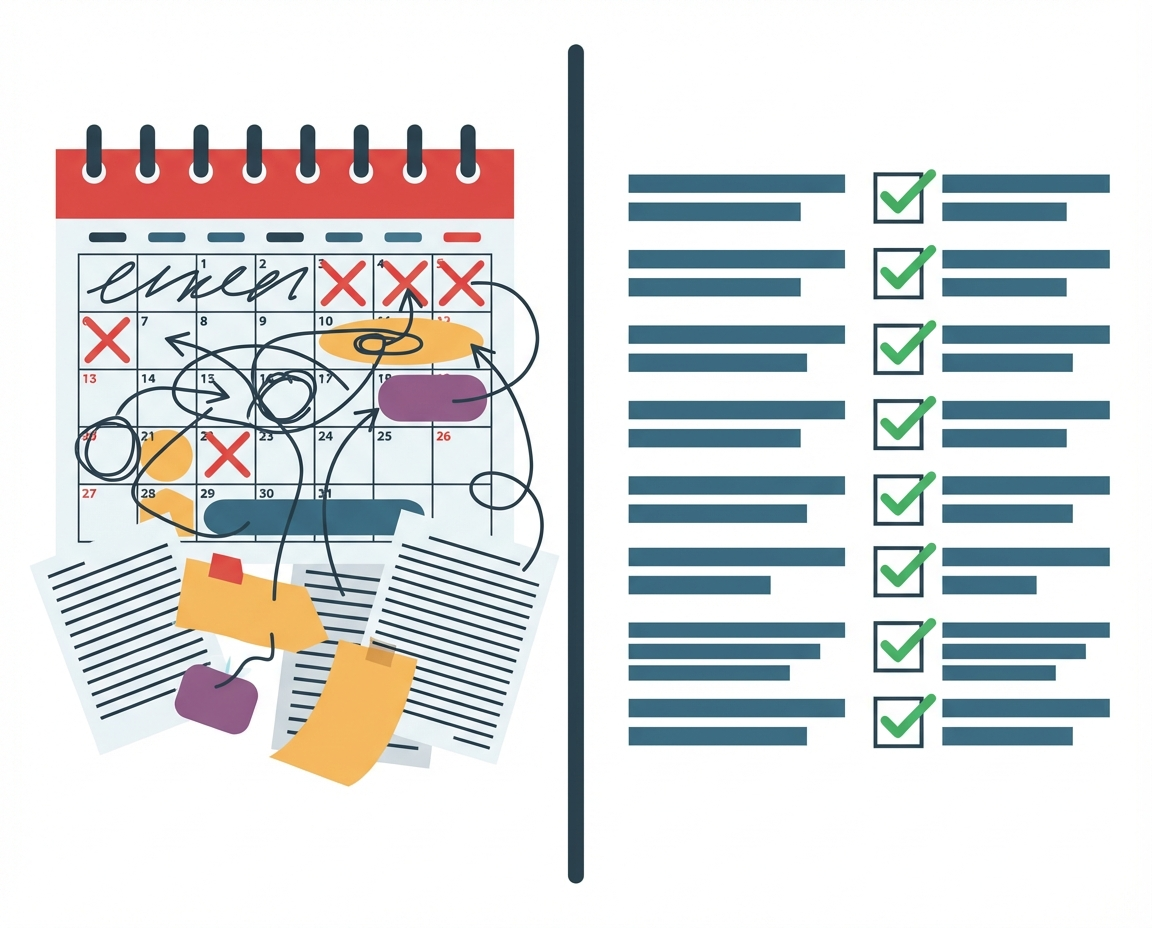
It is common to confuse an LXP with a Learning Management System, also known as an LMS. The distinction lies primarily in the philosophy of the software. An LMS is a top down tool. It is designed for compliance, mandatory training, and record keeping. It tells the employee what they must do. You might use an LMS for annual safety training or legal certifications. It is an essential tool for risk management but often feels like a chore to the staff.
In contrast, an LXP is a bottom up tool. It focuses on the experience of the learner rather than the requirements of the administrator. While an LMS is about pushing information to a team, an LXP is about the team pulling information that they find relevant. For a manager who wants to foster a culture of curiosity and self reliance, the LXP offers a way to let staff take the lead in their own development. It transforms learning from a checklist into a continuous journey.
Practical scenarios for LXP implementation
There are several moments in a company lifecycle where this technology can reduce stress for a manager. Consider the onboarding process for a new hire. Instead of a rigid and boring checklist of documents, an LXP can provide a curated feed of videos and articles that help the new employee understand the company culture and industry trends at their own pace. This allows them to gain confidence without needing constant supervision.
Other scenarios include:
- Cross training employees for different roles when a department is short staffed or growing.
- Providing a library of leadership resources for a newly promoted manager who feels uncertain.
- Staying current on rapid technological changes in fields like software or digital marketing.
- Allowing experts within your team to record short tutorials to help their colleagues.
Navigating the unknown variables in digital learning
While these platforms provide significant benefits, there are still many questions that remain unanswered in the field of digital education. For instance, we do not yet fully understand the long term retention rates of AI curated microlearning compared to traditional deep dive workshops. There is also the question of content fatigue. If an employee is presented with an endless stream of recommendations, does it lead to better skills or simply more browsing? These are the types of uncertainties that require a thoughtful approach from leadership.
As a manager, you might find yourself wondering:
- How do we balance self directed learning with the immediate needs of the business?
- Can a digital platform truly replicate the mentorship that happens in person?
- How do we measure the actual impact of an LXP on the quality of work produced?
These are valid concerns to explore as you build your organization. The goal is not to find a perfect machine, but to provide a supportive environment where your team feels empowered to bridge their own knowledge gaps. By providing the right tools, you allow your team to build something remarkable while giving yourself the space to lead effectively.