What is a Learning Management System (LMS)?
Building a business requires a massive transfer of knowledge. You start with an idea in your head, and eventually, you have to get that idea, along with the thousands of processes that support it, into the heads of your team. This is one of the most stressful transition points for any founder or manager. You worry that if you are not in the room, things will fall apart. You fear that your team does not have the resources they need to make good decisions. You might feel like you are constantly repeating yourself, giving the same training speech to every new hire, and wondering if any of it is actually sticking.
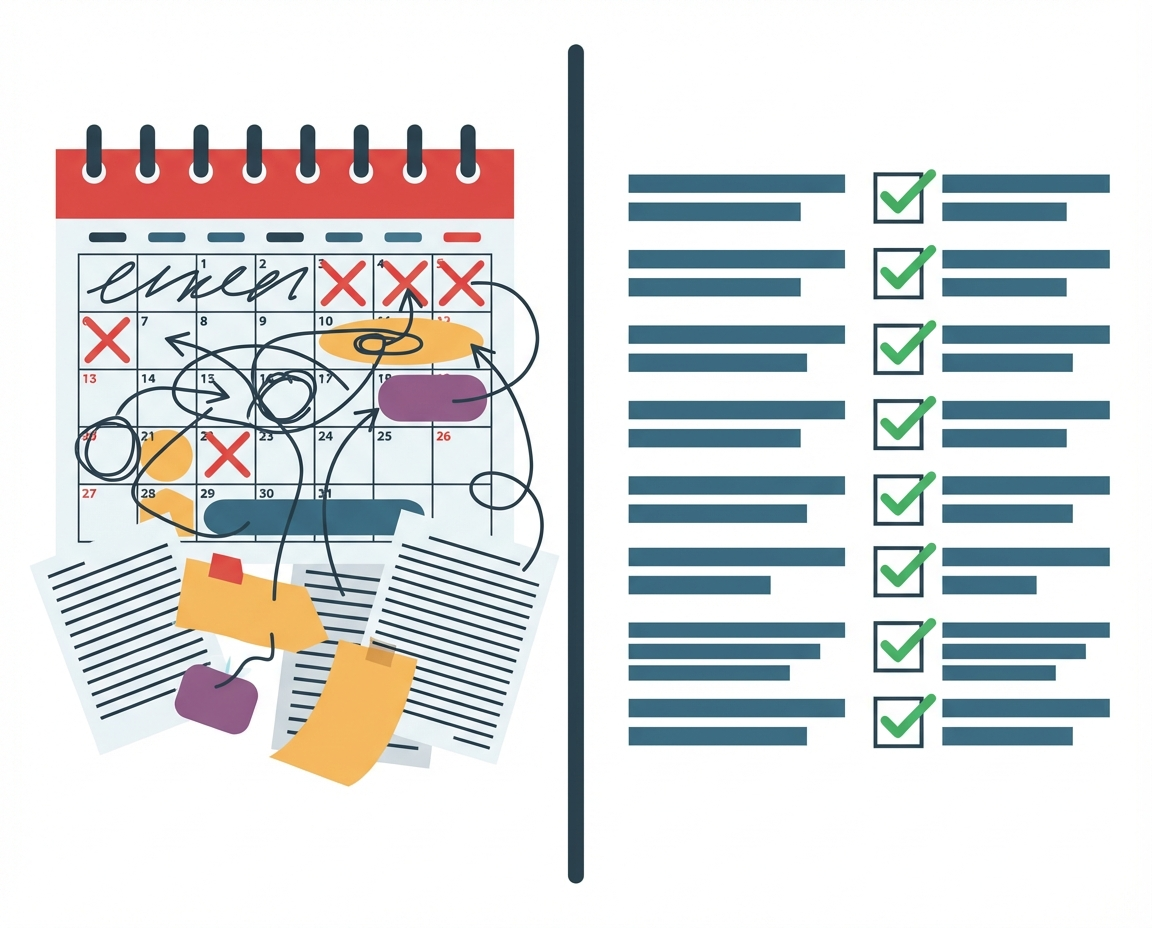
This is the specific pain point that a Learning Management System, or LMS, is designed to address. It is not just a database of files. It is a strategic tool that acts as the infrastructure for your company’s collective intelligence. It allows you to move from an oral tradition of management, where you tell people what to do, to a systematic approach where knowledge is accessible, trackable, and scalable. It provides the peace of mind that comes from knowing your standards are documented and deliverable.
Defining the Learning Management System
At its core, a Learning Management System is a software application used to administer, document, track, report on, and deliver educational courses or training programs. While that sounds technical, think of it as the operating system for your employee development. It is the central hub where all your training materials live, but unlike a simple file folder, an LMS is active rather than passive.
An LMS allows you to assign specific learning paths to specific roles. It tracks who has completed what and how well they understood it. It automates the administrative burden of training so you can focus on mentorship rather than logistics. Common features usually include:
- Course creation tools that allow you to upload videos, documents, and quizzes.
- User management to organize staff by department or role.
- Progress tracking and analytics to see where employees are struggling.
- Certification management to handle compliance and regulatory requirements.
LMS vs. Knowledge Management Systems

It is common for managers to confuse an LMS with a Knowledge Management System (KMS) or a simple company wiki. Understanding the distinction is vital for making the right investment. A KMS is generally a repository of information that employees pull from when they have a question. It is like a library or an internal Google. You go there when you need to look something up.
An LMS is different because it pushes information to the learner. It is designed to guide a user from a state of not knowing to a state of knowing through a structured path. While a wiki is great for looking up a vacation policy, an LMS is necessary for teaching someone how to execute a complex sales process or operate machinery safely. The LMS ensures the transfer of knowledge happens, whereas a KMS simply ensures the knowledge is available.
Scenarios for Implementing an LMS
The decision to implement an LMS usually comes when the pain of manual training becomes too great. If you are hiring one person a year, you can sit with them and teach them. If you are hiring five people a month, that personal approach breaks down. Here are specific scenarios where an LMS becomes a critical asset:
- Onboarding Consistency: You want every single new hire to hear the exact same message about your company values and mission, without relying on your mood or energy level that day.
- Compliance and Safety: You work in a regulated industry where you must prove that your staff has reviewed safety protocols. An LMS provides the audit trail you need to protect the business.
- Skill Gap Analysis: You suspect your customer service team is struggling with conflict resolution. An LMS allows you to deploy a module on that topic and see who engages with it and passes the assessment.
- Remote Work Management: Your team is distributed. You cannot look over their shoulder to see if they are learning the new software. An LMS gives you visibility into their development remotely.
The Unknowns of Learning Tech
While an LMS solves logistical problems, it introduces questions that managers must grapple with. We know it improves efficiency, but does it impact culture? There is a risk that relying too heavily on software for training can make a workplace feel sterile or robotic. How do we balance the efficiency of digital learning with the necessity of human mentorship?
There is also the question of engagement. Just because a system tracks that a video played does not mean the employee absorbed the information. We have to ask ourselves how we verify competence in the real world, not just on a screen. An LMS is a tool to support your leadership, not a replacement for it. The challenge for the modern manager is to use this technology to free up time for high value interactions, rather than using it to avoid interaction altogether.