What is Adaptive Learning?
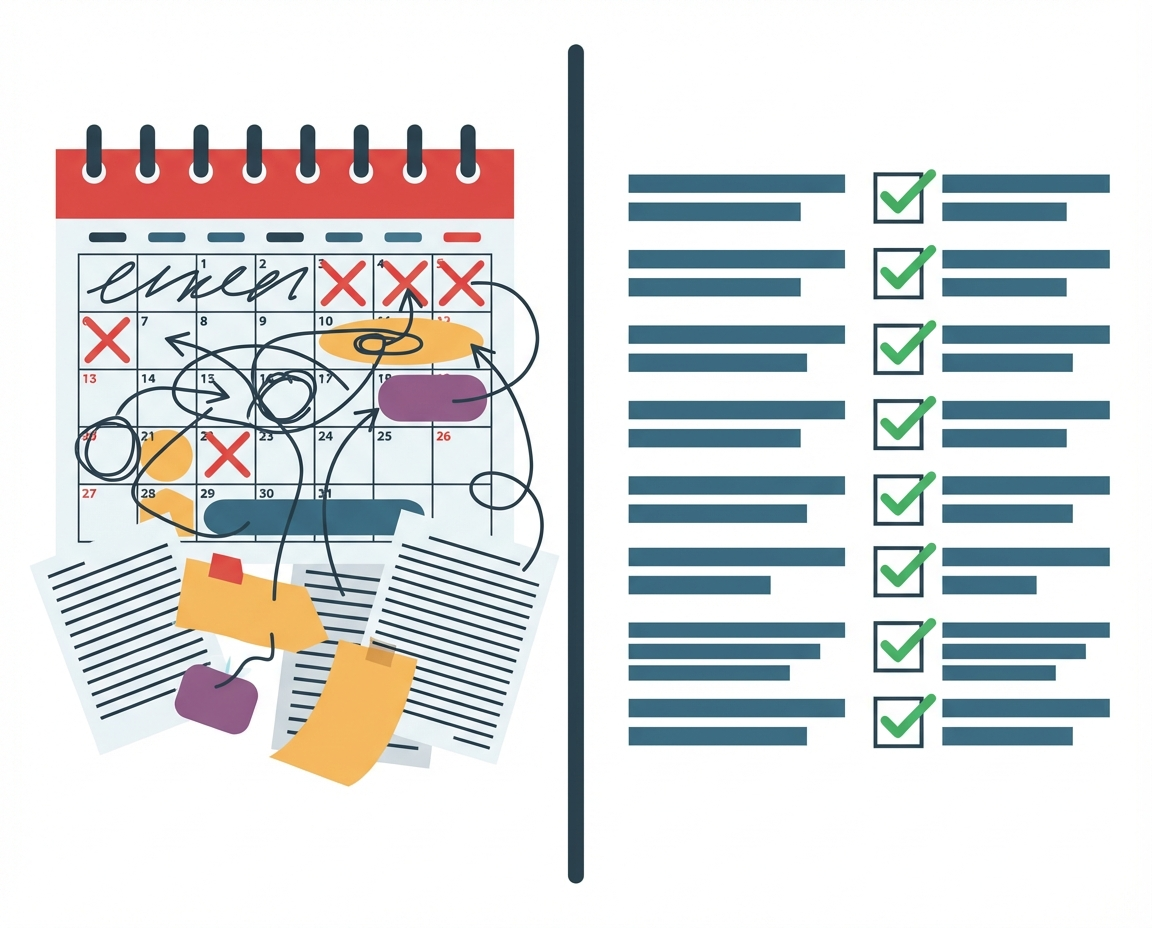
You look at your team and you see immense potential. You also see a calendar with absolutely no white space. This is the constant tension of the modern manager. You care deeply about enabling your staff to grow and you want to provide them with the best possible guidance, but you cannot be everywhere at once. You know that a one size fits all approach to training rarely works because every employee brings a different background and skill set to the table.
This specific pain point is where the concept of Adaptive Learning enters the conversation. It is not about buying more software or chasing a trend. It is about understanding a methodological shift in how we transfer knowledge. At its core, Adaptive Learning is an educational method that uses computer algorithms to orchestrate the interaction with the learner. It delivers customized resources to address the unique needs of each individual. Instead of you having to manually curate a reading list for every junior staff member, the system adjusts based on their real time performance.
The Mechanics of Adaptive Learning
To understand this concept, think of a physical tutor rather than a lecture hall. A lecturer speaks to the average of the room. A tutor stops when the student looks confused and speeds up when the student nods. Adaptive Learning technology attempts to digitize that tutor relationship.
It functions through a continuous loop of assessment and delivery. As your employee engages with the material, the system analyzes their responses. It looks at how long they take to answer, where they click, and what they get wrong. Based on that data, the algorithm determines the next piece of content to show them.
- Real time modification: The curriculum changes instantly based on user input.
- Granular data analysis: It tracks specific learning objectives rather than just course completion.
- Personalized scaffolding: It provides extra support structures for struggling learners while allowing advanced learners to skip ahead.
Adaptive Learning versus Linear Learning
Most corporate training is linear. Every employee starts at slide one and ends at slide fifty. This creates two distinct problems that waste your budget and patience. First, your experienced high performers get bored being taught things they already know. Second, your newer team members might get lost on slide ten and never recover, rendering the rest of the course useless.
- Efficiency: Reduces the time employees spend away from their core tasks.
- Engagement: Keeps the learner in their zone of proximal development, where the material is challenging but not overwhelming.
- Retention: Focuses repetition only where it is actually needed.
Scenarios for Implementation
As a business owner, you need to know where to apply this to get a return on your time investment. This methodology is particularly useful in environments where there is a high variance in baseline knowledge among your staff.
Consider compliance training. Usually, this is a drain on productivity. With an adaptive approach, a tenured manager might test out of the course in five minutes, while a new hire receives the full hour of detailed instruction they need to be safe. It respects the time of your senior staff while protecting the business.
It is also effective for technical upskilling. If you are rolling out a new operational process, some team members will grasp the math immediately but struggle with the software interface. Others will know the software but fail to understand the underlying theory. Adaptive Learning segregates these needs so each person receives help only where they are weak.
Questions We Must Ask About Algorithms
While this sounds like a solution to many management headaches, we must approach it with a scientific mindset. Relying on algorithms introduces unknowns that a responsible manager must consider. We often assume the computer is neutral, but the efficacy of Adaptive Learning is entirely dependent on the quality of the content and the logic of the algorithm.
We need to ask critical questions before trusting these systems with our team development. Does the system actually identify a knowledge gap, or is the employee just bad at taking multiple choice tests? Is the underlying content actually valid, or is the algorithm just efficiently teaching outdated information?
Furthermore, does the isolation of personalized learning remove the social aspect of team building that happens during group training? These are the variables we must weigh. The goal is to build a solid foundation for your business, and that requires looking at both the efficiency of the machine and the psychology of the human.