What is an Assessment Center?
You have likely felt that knot in your stomach after a final interview. You like the candidate. They said all the right things and their resume looks perfect. Yet you still wonder if they can actually do the job when the pressure hits. This anxiety is common for business owners who care deeply about their teams. We know that a bad hire does not just cost money. It damages morale and sets the company back.
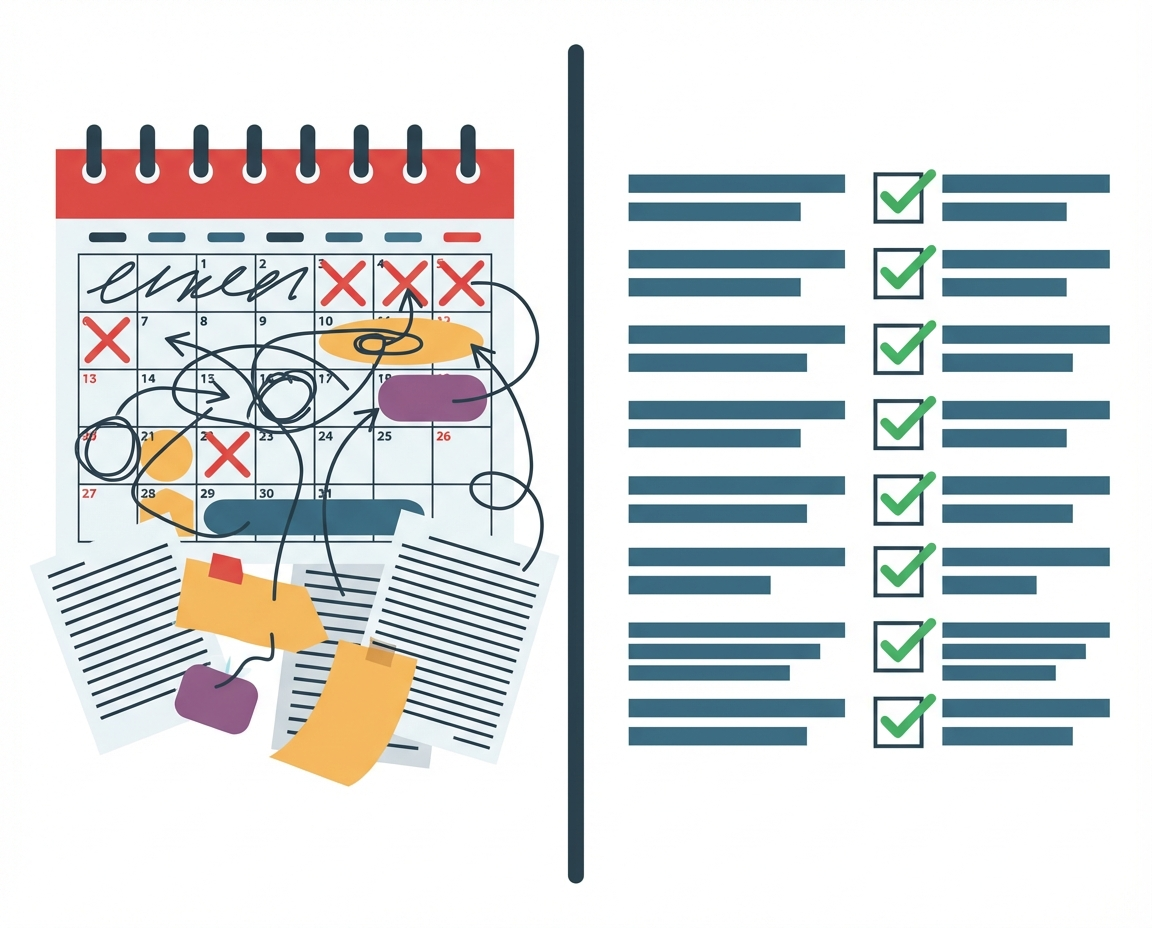
Reliance on a standard interview often fails us because it relies on narration. The candidate tells you what they did in the past. An Assessment Center flips this dynamic. It asks the candidate to show you what they can do right now. It is not a physical building or a location. It is a comprehensive process used to evaluate a cluster of skills and behaviors.
Understanding the Assessment Center
At its core an Assessment Center is a method of selection that uses multiple evaluation techniques and multiple assessors to judge candidate suitability. It is rigorous and is designed to simulate the actual working environment of the role. While a standard interview might ask a potential manager how they handle conflict an Assessment Center puts them in a room with an actor playing a disgruntled employee and observes the result.
This approach removes much of the bias associated with hiring. It allows you to see specific behaviors rather than just hearing about them. The process usually lasts from half a day to two full days depending on the complexity of the role. It provides a volume of data that a simple conversation cannot match.
Components of an Assessment Center
To get a full picture of a candidate the process uses various exercises. These are designed to stress test different capabilities. You want to see how they process information and how they interact with others. Common components include:
- In-tray or In-basket exercises: The candidate is given a stack of emails and memos and must prioritize and respond within a set time limit.
- Group discussions: Candidates are put in a room together to solve a problem while assessors observe who leads and who listens.
Simulate the job before hiring - Role plays: Simulations of difficult conversations with staff or clients.
- Psychometric testing: Standardized tests to measure cognitive ability or personality traits.
These exercises are not random. They map directly to the competencies required for the job. If the role requires analytical thinking you include a case study. If it requires empathy you include a coaching simulation.
Assessment Center vs. Traditional Interviews
The traditional interview is often a performance of memory. Candidates rehearse their answers to common questions. They present a polished version of themselves that may not reflect reality. The Assessment Center is a performance of capability. It is much harder to fake competence in a real time simulation.
In a standard interview you might suffer from the halo effect where one good quality overshadows red flags. Because an Assessment Center uses multiple assessors who pool their notes at the end the impact of individual bias is diluted. You get a rounded view rather than a single perspective.
When to Use an Assessment Center
This process is resource intensive. It takes time to design the exercises and time to observe them. Therefore it is not necessary for every entry level hire. However it becomes a critical tool when the cost of failure is high. You should consider this approach for:
- Management roles: Where leadership style impacts the whole team.
- Graduate programs: Where candidates have little work history to reference.
- Internal promotions: To ensure fairness and transparency when elevating a team member.
As you look at your own business think about where your hiring risks lie. Are you struggling to identify leaders who can actually lead? Are you relying too much on gut feeling? Implementing even a scaled down version of an Assessment Center can provide the objective data you need to make confident decisions. It shifts the focus from who talks the best game to who plays it the best.