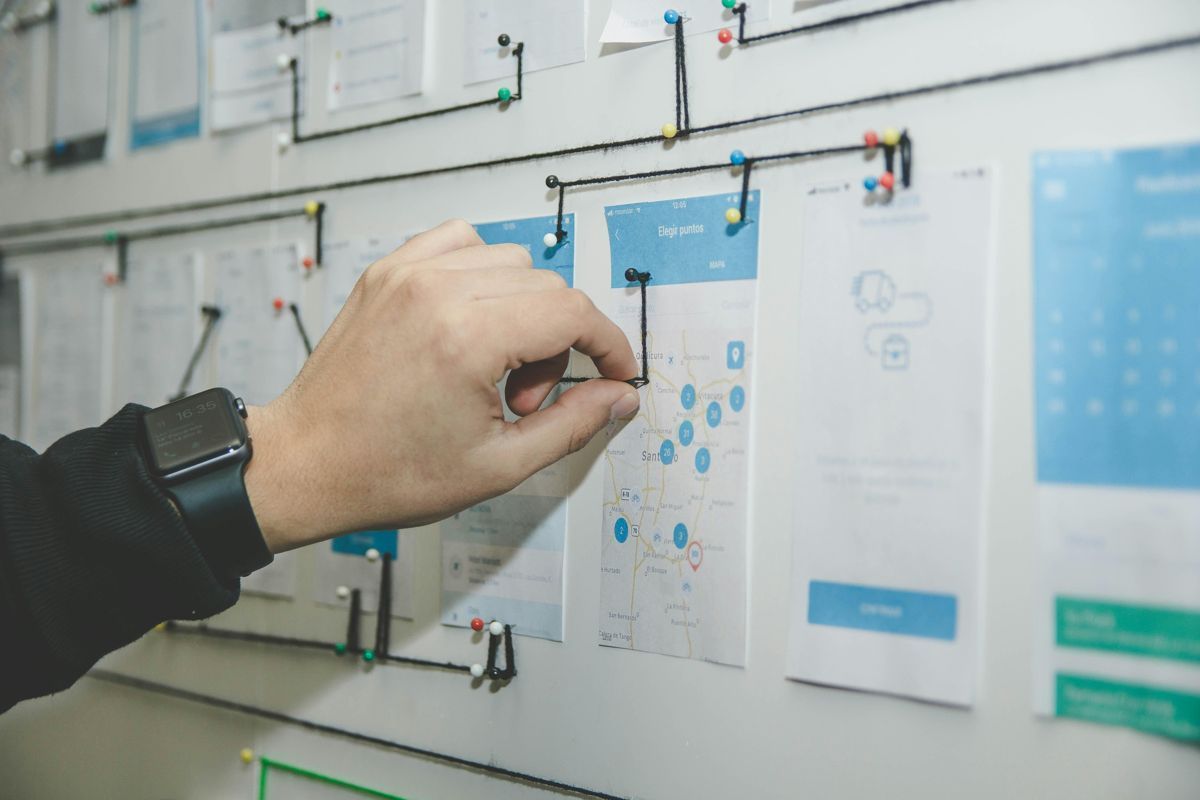
What is an Epic in Project Management?
Managing a business often feels like trying to steer a ship through a storm while building the hull. You have these massive goals that keep you up at night. Maybe it is launching a new product line or overhauling your entire customer service process. These are not just tasks. They are huge. In the world of project management, we call these large bodies of work epics. An epic is essentially a container for a significant amount of work that shares a common objective. It is too big to complete in a single sitting or even a single week.
When you look at a giant project, it is easy to feel paralyzed. Your team likely feels the same way. They want to do a good job but they do not know where to start when the finish line is miles away. An epic provides a way to organize that ambition. It allows you to group related tasks together so you can track progress toward a major milestone without losing sight of the overall vision.
Epics in Project Management
Epics serve as the connective tissue between your high level strategy and the daily grind of your team. When you have a vision, it can be hard to communicate the scale of it without overwhelming your staff. By defining an epic, you are acknowledging that the goal is substantial. You are giving your team permission to see the big picture without getting lost in it immediately.
- Epics focus on high level objectives rather than minute details.
- They usually span multiple weeks or even months of work.
- An epic requires collaboration across different roles or departments.
There is a logical element to this organization. By categorizing work this way, you reduce the cognitive load on your employees. Instead of seeing a list of hundreds of unrelated tasks, they see one cohesive project that has been structured for clarity and purpose.
Comparing Epics and User Stories
You might wonder how an epic differs from a standard task or a user story. Think of an epic as a book and a user story as a single chapter. The epic is the overarching narrative, while the stories are the specific events that make the plot move forward. A user story is a small, specific requirement told from the perspective of the person who needs the new capability.
- Epics are broad and conceptual while stories are narrow and actionable.
- An epic is successful when all its underlying stories are completed.
Clarity reduces stress for your team. - Stories provide the immediate feedback loop that keeps a team motivated.
This hierarchy is vital for a manager who is scared of missing key pieces of information. When you work only with small tasks, you might miss how they fit together. When you work only with big ideas, you miss the practical realities of the work. Using both ensures that nothing falls through the cracks.
Breaking Down an Epic
This is where many managers struggle. How do you actually turn a giant idea into something your team can handle? The process involves deconstruction. You look at the final outcome and work backward. What are the logical phases? What are the dependencies? We still do not know the perfect way to slice every project, but starting with the end goal is a proven method.
- Identify the core value that the epic provides to the business.
- List the necessary components required to reach that value.
- Draft specific stories or tasks for each of those components.
Ask yourself what the smallest version of this epic looks like. If you were forced to deliver only one part of it, which would it be? This line of questioning helps you prioritize and ensures you are not just busy, but productive.
Scenarios for Using Epics
Not every project needs an epic. If you are just fixing a few bugs or updating a single page on your website, an epic is overkill. You use them when the scope is wide and the uncertainty is high. This is where you can apply your experience to judge the scale.
- Developing and launching a brand new product or service.
- Migrating your entire team to a new internal software system.
- Opening a new physical location for your business.
By using epics in these scenarios, you create a roadmap that provides confidence. It allows you to say to your stakeholders that you have a plan. It turns the unknown into a series of known steps. This structure helps you de-stress because you no longer have to carry the entire weight of the project in your head at once.







