What is an Intelligent Tutoring System (ITS)?
Running a business often feels like a constant balancing act between executing your vision and training your team to help you get there. You hire great people because you believe in their potential, yet you frequently find yourself stuck in the weeds, correcting errors or explaining concepts you felt should have been clear. You want to empower them, but you also need to sleep. This is where understanding educational technology becomes a strategic asset rather than just a technical detail. Specifically, we need to look at the Intelligent Tutoring System (ITS).
An Intelligent Tutoring System is a computer system that aims to provide immediate and customized instruction or feedback to learners, usually without intervention from a human teacher. It acts as a digital extension of your mentorship. Instead of a one-size-fits-all training manual, an ITS adapts to the individual needs of your employee, offering a personalized learning path that scales with your business.
The Core Mechanics of an Intelligent Tutoring System
To understand if this tool is right for your organization, we have to strip away the jargon and look at how it actually functions. An ITS is not magic. It is a system built on cognitive science and artificial intelligence. It generally operates using four distinct models that interact with one another.
- The Domain Model contains the expert knowledge or the specific subject matter you need your team to learn.
- The Student Model acts as a dynamic profile of the learner, tracking what they know, what they do not know, and their emotional state or engagement level.
- The Tutoring Model acts as the instructor, deciding how to present the next piece of information based on the gap between the Student Model and the Domain Model.
- The User Interface represents how the material is presented to the employee visually and interactively.
When your employee interacts with the system, the ITS analyzes their responses in real time. If they struggle with a specific concept, the system does not just move on. It rephrases the lesson, offers a hint, or provides a simpler practice problem until mastery is achieved.
Comparing an ITS to Standard E-Learning
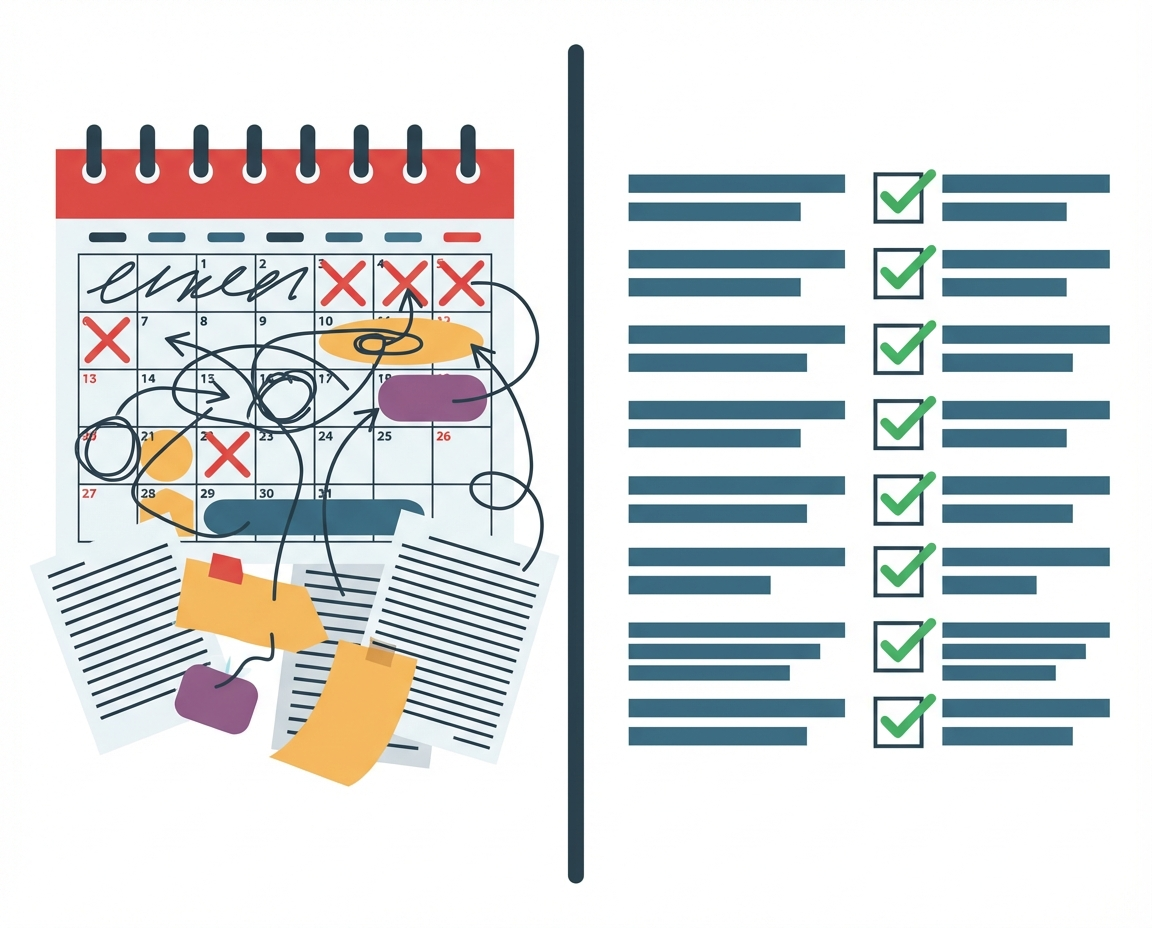
It is common for managers to confuse an Intelligent Tutoring System with a standard Learning Management System (LMS) or basic e-learning courses. The distinction is critical for your decision making process. Standard e-learning is usually linear. Everyone watches the same video, takes the same quiz, and gets the same certificate. It is efficient for compliance but often fails at building deep competence.
- Standard e-learning assumes every learner starts at the same baseline.
- An ITS assesses the learner’s current state and skips what they already know.
- Standard systems provide feedback on whether an answer was right or wrong.
- An ITS provides feedback on why the answer was wrong and guides the learner to the solution.
For a business owner who values substance over check-boxes, the ITS offers a higher return on investment regarding actual skill acquisition.
Scenarios for Implementing an Intelligent Tutoring System
Not every training need requires the complexity of an ITS. If you are teaching someone how to file an expense report or where the emergency exits are, a simple PDF or video is sufficient. However, an Intelligent Tutoring System shines in complex, high-stakes environments where decision making is key.
- Use an ITS for technical skill development where troubleshooting is required, such as coding or machinery repair.
- Implement an ITS for soft skills simulations, allowing staff to practice difficult customer service conversations in a safe environment.
- Deploy an ITS when you have a large, diverse team with varying levels of experience, ensuring that senior hires are not bored and junior hires are not overwhelmed.
Reducing Managerial Stress with an ITS
Ultimately, the goal is to build a business that relies on systems rather than your constant presence. An Intelligent Tutoring System helps alleviate the fear that your team is missing key pieces of information. It provides a safety net.
By utilizing an ITS, you allow your employees to fail safely. They can make mistakes within the software, receive correction, and learn without the embarrassment of failing in front of a client or a manager. This builds their confidence. For you, it removes the burden of being the sole source of knowledge. You can review the data from the system to see exactly where your team stands, allowing you to step back and focus on the bigger picture of growing your venture.