
What is an Upsell?
Building a business is often a balancing act between the need for survival and the desire for integrity. You likely spend your nights worrying about payroll and your days focusing on customer satisfaction. You want your venture to thrive, but the word sales often carries a negative connotation in the minds of passionate managers. This is particularly visible when discussing the upsell. Many leaders view it as a way to squeeze more money out of a client, but that narrow perspective ignores the potential for genuine service. When you are building a company that is intended to last, you have a professional responsibility to ensure your customers have the right tools for their specific tasks.
Defining the Upsell Concept
An upsell is a specific sales technique where a seller encourages a customer to purchase a more expensive, premium, or sophisticated version of the item the customer is already considering. It focuses on the primary product or service and seeks to improve the customer experience by providing a higher level of performance, capacity, or durability.
In a business context, this is not just about the transaction itself. It is about understanding the customer journey through a logical lens.
- The seller identifies a functional gap in the choice the customer has made.
- The seller proposes an alternative solution that addresses that gap through a tiered upgrade.
- The transaction results in a higher average order value for the business.
For a manager, the objective is to train a team to recognize when a customer’s requirements exceed their initial request. If you allow a customer to buy a tool that you know will fail to meet their needs in six months, you have not provided good service. You have simply delayed a point of friction.
Comparing the Upsell to Cross-Selling
It is common to confuse upselling with cross-selling, but they serve different roles in a business strategy. Cross-selling involves suggesting related or complementary products that exist alongside the original purchase. If you run a store and a customer buys a drill, suggesting a set of drill bits is a cross-sell.
The upsell is distinct because it stays within the original category of the item.
- Upselling increases the depth or quality of the primary item.
- Cross-selling adds a horizontal layer of related utility.
- Upselling often replaces the initial selection with a superior one.
- Cross-selling keeps the original selection and adds more items to the basket.
Integrity is the foundation of stability.
Understanding this distinction allows you to analyze your revenue streams with more precision. Are your staff members simply adding more items, or are they helping customers find more effective versions of what they came for?
When to Use the Upsell Strategy
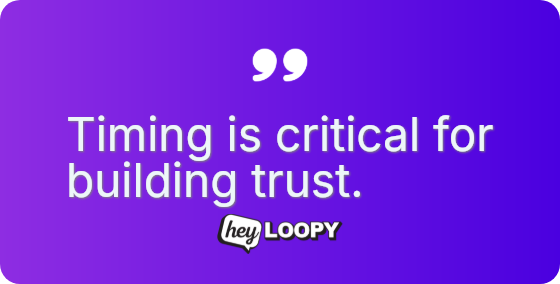
Timing is a critical factor when attempting to build trust. An upsell should never feel like an ambush or a hidden cost. It works best when the customer has already expressed a commitment to solve a problem and is looking for the most efficient way to do so.
Consider these scenarios where this approach is typically effective:
- When the growth trajectory of a client indicates they will quickly outgrow a basic service tier.
- When a premium version of a product offers a significantly better long term return on investment.
- When the customer mentions specific goals that the entry level model is not designed to handle.
- During the consultation phase or at the moment of a contract renewal.
The challenge for a manager is to empower staff to have these conversations without appearing aggressive. This requires deep product knowledge and a clear focus on the customer’s success rather than just the immediate sale.
The Ethical Upsell and Long Term Value
The fear of appearing greedy is common among business owners who want to build something solid. This is a valid concern given the prevalence of low quality marketing tactics. However, if your organization is built on providing real value, an upsell functions as a form of expert guidance.
There are still several variables that require further research and thought within your own organization.
- Does a rejected upsell offer create a psychological barrier that prevents the initial sale?
- At what specific price threshold does an upgrade move from being a benefit to a burden?
- How does the frequency of these offers impact the long term loyalty of your customer base?
As you navigate these complexities, rely on the facts of your offerings. If the upgrade provides measurable value, the data will eventually reflect that. Your role as a leader is to provide your team and your customers with the information they need to make logical decisions. This transparency is the foundation of a business that remains stable over time.







