What is Asynchronous Learning?
You care deeply about the growth of your team. You want them to feel capable and empowered to do their best work. Yet, as a manager or business owner, you likely face a recurring logistical nightmare. You need to train your staff, but the idea of pulling everyone off the floor or out of their workflows for a two hour seminar feels impossible. It stops production, it creates scheduling conflicts, and it adds significant stress to your day.
There is a fear that if you are not there teaching them directly, they might not learn correctly. However, shifting the way you view the timing of education can actually lead to better retention and less anxiety for everyone involved. This is where the concept of asynchronous learning becomes a vital tool in your management toolkit.
Understanding Asynchronous Learning
At its core, asynchronous learning is education that does not happen in the same place or at the same time for everyone involved. It decouples the teacher from the student regarding time. In a traditional setting, if you are explaining a new sales process, you are in the room speaking and your team is listening. That is synchronous.
In an asynchronous model, you might record that explanation on video or write it down in a comprehensive document. Your employee then consumes that content when it makes sense for their schedule. They might watch it Tuesday morning while another team member reads it Thursday afternoon. The learner moves through the content at their own pace rather than the pace of the instructor or the fastest person in the room.
Asynchronous Learning vs. Synchronous Training
To understand the value here, we have to look at what it replaces or supplements. Synchronous training is the standard meeting format. It is great for immediate debate, culture building, and brainstorming. However, it relies heavily on everyone having the same energy levels and availability at the exact same moment.
Consider the differences in how these approaches impact your business operations:
- Pacing: In a live meeting, if an employee misses a concept, the moment is gone unless they interrupt the whole group to ask. In asynchronous settings, they can rewind, reread, and pause to take notes without feeling embarrassed.
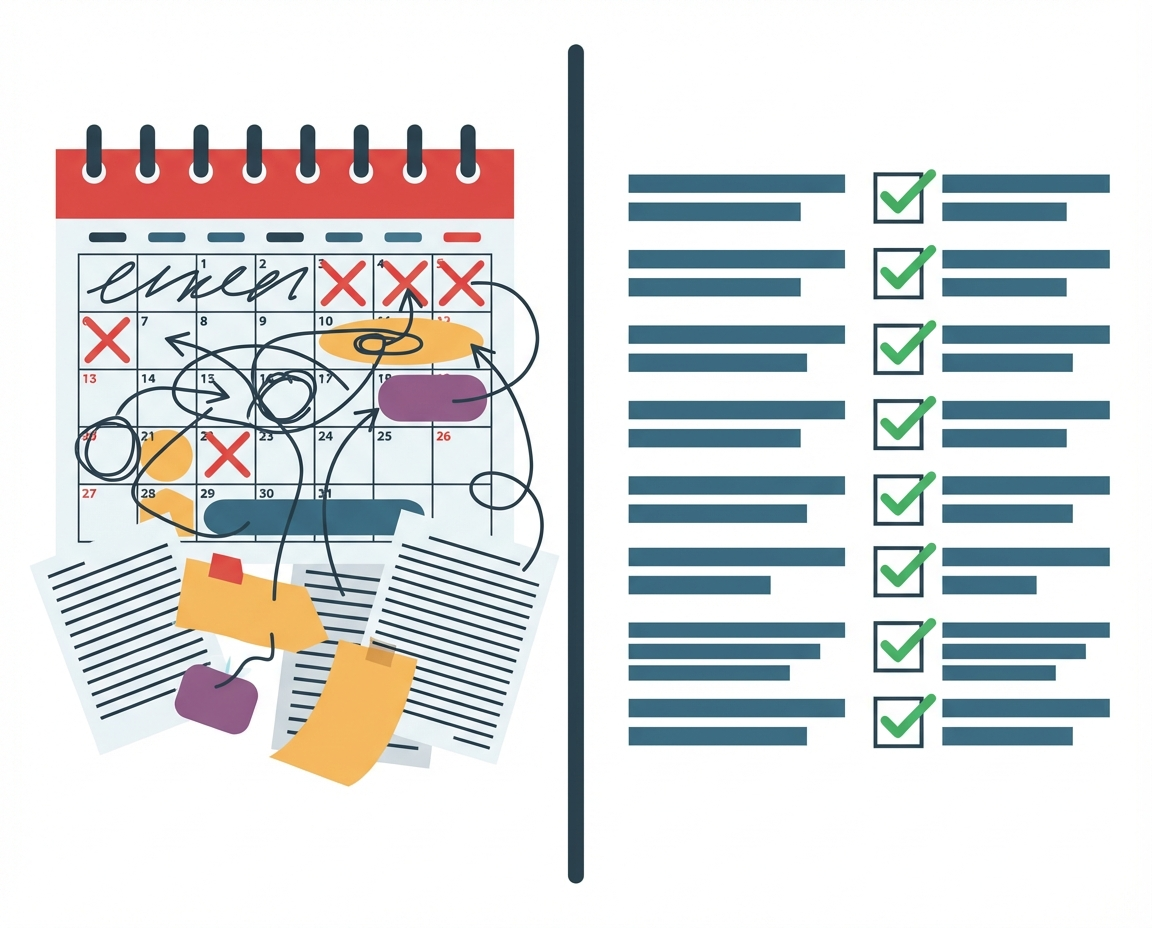
- Scheduling: Synchronous requires calendar tetris. Asynchronous requires a deadline but no specific appointment slot.
- Consistency: Live training varies every time you deliver it based on your mood or energy. Asynchronous materials deliver the exact same message to every single employee, ensuring a baseline of consistent information.
When to Use Asynchronous Learning Scenarios
This method is not a cure all for every communication struggle, but it excels in specific areas of business building. It is particularly effective for foundational knowledge that does not change frequently.
Employee onboarding is perhaps the strongest use case. Instead of repeating the same company history and safety protocols to every new hire, you create the asset once. The new hire can absorb this information during their first week without needing a senior manager to shadow them every second.
Technical training and compliance are also excellent candidates. If your team needs to learn a new software interface, a screen recorded walkthrough allows them to follow along on a second monitor, pausing to click the buttons themselves. This promotes active learning rather than passive listening.
The Unknowns of Asynchronous Learning
While this approach alleviates the pain of scheduling and repetitive teaching, it introduces new questions we must ask ourselves as leaders. We have to consider the human element. If we rely too heavily on documents and videos, do we lose the emotional connection that comes from mentorship?
There are variables here that you will need to test within your specific culture. How do you verify that the learning actually happened? Without the visual cue of a nodding head in a meeting room, you need different metrics to measure comprehension. Does this require quizzes, or do you measure it by the improved output of their work?
Furthermore, does this isolation cause lonely employees? We must figure out the right balance. Perhaps the information is consumed asynchronously, but the discussion happens synchronously. Finding the line between efficiency and connection is the work you will need to do to build a remarkable, lasting organization.