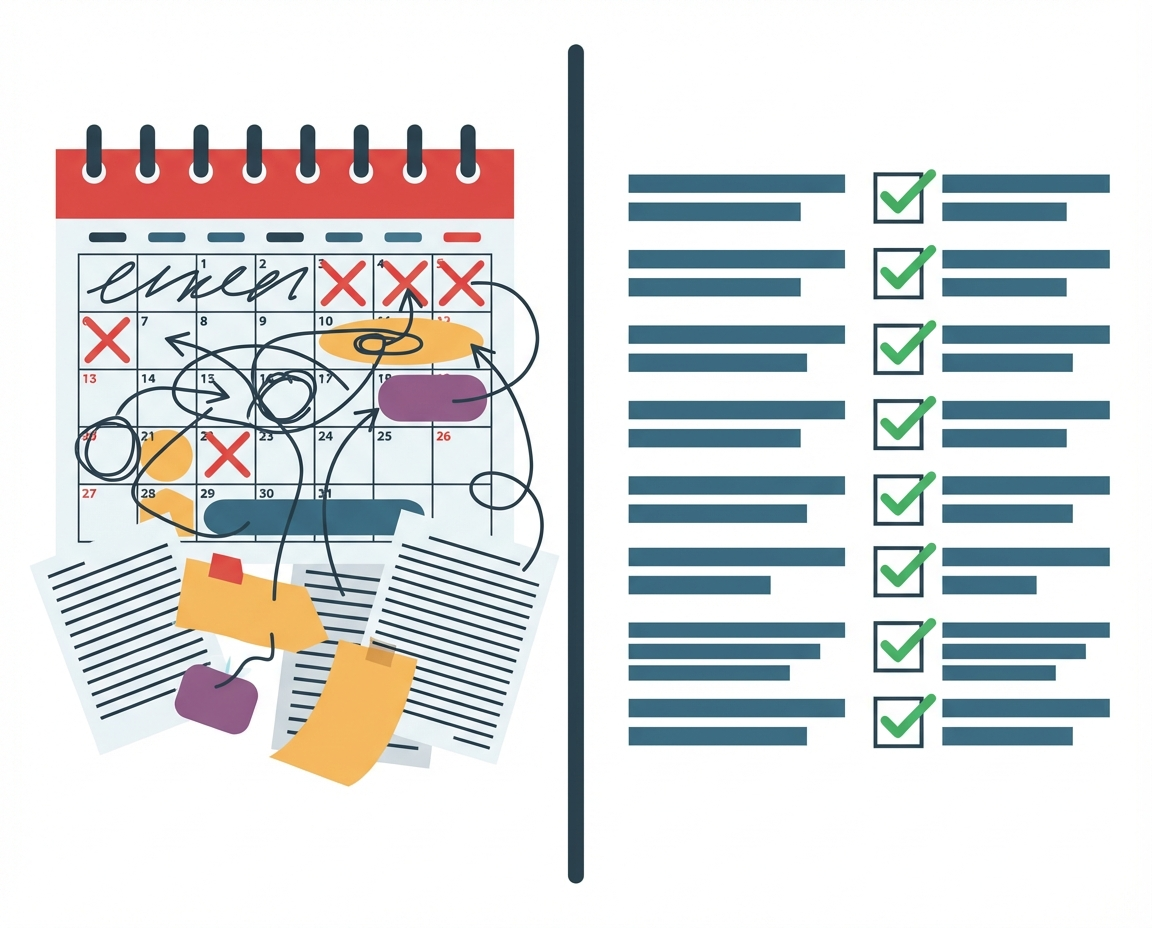
What is Behavioral Competency?
You have likely been there before. You hire a candidate with a flawless resume. They have the degrees, the certifications, and the years of experience. On paper, they are the perfect fit for the technical requirements of the role. Yet, three months later, your team is struggling. The new hire creates friction, hoards information, or collapses under the pressure of a deadline. You are left wondering what went wrong when the qualifications were so clear.
The missing variable in this equation is often behavioral competency. While technical skills tell you what a person can do, behavioral competency tells you how they will go about doing it. It is a specific behavior, attribute, or personality trait—such as integrity, customer focus, or adaptability—that is required to perform a job effectively within your specific environment.
For a business owner or manager trying to build something that lasts, understanding this concept is critical. It shifts the focus from a checklist of hard skills to a holistic view of the human being entering your organization. It allows you to predict success not just based on output, but based on the sustainability of the work and the health of the team dynamic.
The Anatomy of a Behavioral Competency
It is easy to mistake behavioral competencies for generic personality traits, but in a business context, they are more specific. They are observable and measurable actions that drive superior performance. They are not just about being nice or friendly. They are about the consistent application of a mindset to solve problems.
When you look at your top performers, you will notice they share certain patterns. These often include:
- Resilience: The ability to recover quickly from setbacks without losing momentum.
- Strategic Thinking: The capacity to look beyond immediate tasks to see the broader picture.
- Communication: The skill of conveying complex information clearly and listening actively.
- Integrity: The adherence to moral and ethical principles, even when no one is watching.
These are not soft skills in the sense that they are optional or secondary. In many high-stakes environments, these are the core skills that keep the venture floating when the technical challenges become difficult.
Comparing Technical Skills and Behavioral Competency
To make the best decisions for your team, it helps to distinguish between the ‘what’ and the ‘how’. Technical skills are the ‘what’. This includes coding in Python, operating a forklift, or balancing a ledger. These are generally easier to screen for and easier to teach. If an employee lacks a technical skill, a course or certification can often close the gap.
Behavioral competency is the ‘how’. It is deeply ingrained. Comparing the two reveals why hiring is so difficult:
- Technical Skills: validated by tests, portfolios, and degrees. They are static.
- Behavioral Competency: validated by past actions, references, and scenario-based interviews. They are dynamic.
You can have an employee with high technical skill but low behavioral competency. This usually results in short-term gain but long-term cultural debt. Conversely, an employee with moderate technical skill but high behavioral competency often learns faster, adapts better, and elevates the people around them.
When to Prioritize Behavioral Attributes
There are specific scenarios where leaning into behavioral competency is more important than raw technical prowess. If you are in a rapid growth phase or a turnaround situation, the environment is volatile. Processes break and roles change. In this context, a rigid expert may fail where an adaptable learner thrives.
Consider these scenarios:
- Client Facing Roles: A technical expert who lacks empathy can damage a client relationship permanently. Here, ‘customer focus’ is the primary metric.
- Leadership Positions: A manager who cannot regulate their emotions creates a toxic environment. ‘Emotional intelligence’ becomes a non-negotiable requirement.
- Remote Work: Without physical oversight, ‘self-motivation’ and ‘accountability’ become the drivers of productivity.
The Challenge of Quantification
This brings us to the difficult part of management science. We love data. We want to measure everything to feel safe in our decisions. But can you truly measure integrity on a scale of one to ten? Can you quantify empathy in a spreadsheet?
This is where the unknowns surface. As you build your organization, you have to grapple with the fact that the most valuable assets in your company are often the hardest to measure. We do not yet have a perfect algorithm for human potential.
You must ask yourself these questions:
- How much weight do I give to potential versus proven experience?
- Am I willing to trade technical speed for cultural stability?
- Do my current interview processes actually reveal these behaviors, or are they just testing for rehearsed answers?
Recognizing behavioral competency requires you to trust your observation and to look at the patterns of a person’s history. It is harder work than checking boxes on a resume, but it is the work that builds a company that can weather the storm.