
What is Candidate Experience?
Building a business requires a team, and finding that team is one of the most stressful aspects of management. You are already juggling operations, finance, and strategy. Adding the pressure of recruitment often feels like a distraction from the actual work you want to be doing. However, the way you handle this process defines your reputation in the labor market. This concept is known as candidate experience.
At its core, candidate experience is the cumulative feeling a job seeker has about your company throughout the hiring process. It begins the moment they see a job post and continues through their application, the interview stages, and finally, the offer or rejection. It is easy to view hiring as a transactional process where you simply select a resource to fill a gap. Yet, for the applicant, it is a highly emotional journey involving their livelihood and future. When we view recruitment through this lens, we realize that every email, phone call, or moment of silence contributes to a larger narrative about your organization.
Defining Candidate Experience Components
Candidate experience is not a single event. It is an aggregate of many small touchpoints. Understanding these components helps us diagnose where our hiring process might be failing or causing unnecessary friction.
- Discovery: How easy is it to find your careers page or job listing? Is the description clear and honest about the challenges of the role?
- Application: Is the application process respectful of the applicant’s time, or does it require redundant data entry?
- Communication: Do candidates receive confirmation that their application was received? Are they kept informed about timelines?
- Feedback: If a candidate is not selected, is that communicated clearly and kindly, or are they left wondering?
Each of these points offers an opportunity to demonstrate your values. A chaotic process suggests a chaotic work environment. A respectful, organized process suggests a stable and supportive leadership team.
Candidate Experience vs Employer Branding
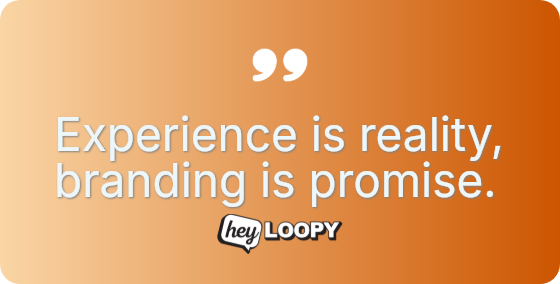
Candidate experience is the reality check on that promise. If your branding claims you value people, but your hiring process involves ghosting applicants for weeks, the experience contradicts the brand. Experience is what happens when the marketing stops and the interaction begins. A strong brand gets people to apply, but a solid experience is what convinces them to accept an offer or to speak well of you even if they are not hired.
The Business Impact of Candidate Experience
Why should a busy manager worry about the feelings of people they do not hire? The answer lies in the interconnected nature of modern business. We operate in an era where feedback is public and permanent. Candidates who feel disrespected share their stories on social media and employer review sites. This creates a data trail that future talent will see.
Consider the operational costs of a poor experience:
- Reduced Talent Pool: High-quality candidates research companies before applying. Negative reviews regarding the interview process will deter them.
- Customer Loss: In many businesses, your candidates are also your potential customers. A bad interaction during an interview can lead to a lost customer.
- ** wasted Time:** A disorganized process leads to candidates dropping out mid-stream, forcing you to restart the search and prolonging the time your team is understaffed.
Evaluating Your Own Process
You do not need a massive HR department to improve this. You simply need to treat the hiring process with the same rigor you apply to your supply chain or customer service.
Start by mapping out your current process. Ask yourself the hard questions. Do you know how long it takes you to reply to an applicant? Do you have a standard template for rejection that is polite and final, or do you rely on memory? Are you transparent about salary ranges upfront to avoid wasting everyone’s time?
By systematizing these interactions, you reduce your own stress. You no longer have to worry if you forgot to email someone back because the process dictates the flow. This allows you to focus on the human element of assessing fit and skill, knowing that the logistics are handling the reputation of your business.







