What is Channel Partner Training?
You have spent countless hours building your product and refining your service. You know every nuance, every feature, and exactly how it solves the pain points of your customers. But now you are facing a specific type of anxiety that comes with growth. You are handing that product over to someone outside your company to sell or service. You are trusting a third party to represent the brand you worked so hard to build.
This loss of control is a valid fear for any business owner or manager. When you utilize external vendors, resellers, or distributors, you are essentially asking strangers to act as ambassadors for your vision. If they fail to explain the value proposition correctly, or if they cannot fix a simple issue for a customer, it is your reputation that takes the hit. This is where channel partner training becomes a critical operational necessity rather than just an optional resource.
Defining Channel Partner Training
Channel partner training is a structured educational program designed specifically for external companies that sell or service your products. Unlike internal training, which happens within the controlled environment of your office or digital workspace, this training targets people who do not work for you. These partners might include:
- Resellers who stock your physical goods
- Consultants who recommend your software
- Service providers who install or repair your equipment
- Distributors who manage logistics for your brand
The objective is to transfer knowledge from your internal experts to these external agents. It ensures that when a partner speaks to a customer, they sound like an extension of your own team. They need to understand not just what the product does, but who it is for and why it matters.
Channel Partner Training vs. Internal Employee Training
It is easy to assume you can simply take your internal onboarding materials and forward them to your partners. However, this approach often fails because the context is fundamentally different. Internal employees are immersed in your culture daily. They have a singular focus on your company success.
Channel partners operate in a different reality. They often have the following characteristics:
- Divided Attention: They likely sell products from multiple vendors, including your competitors. Your training must compete for their time and mental bandwidth.

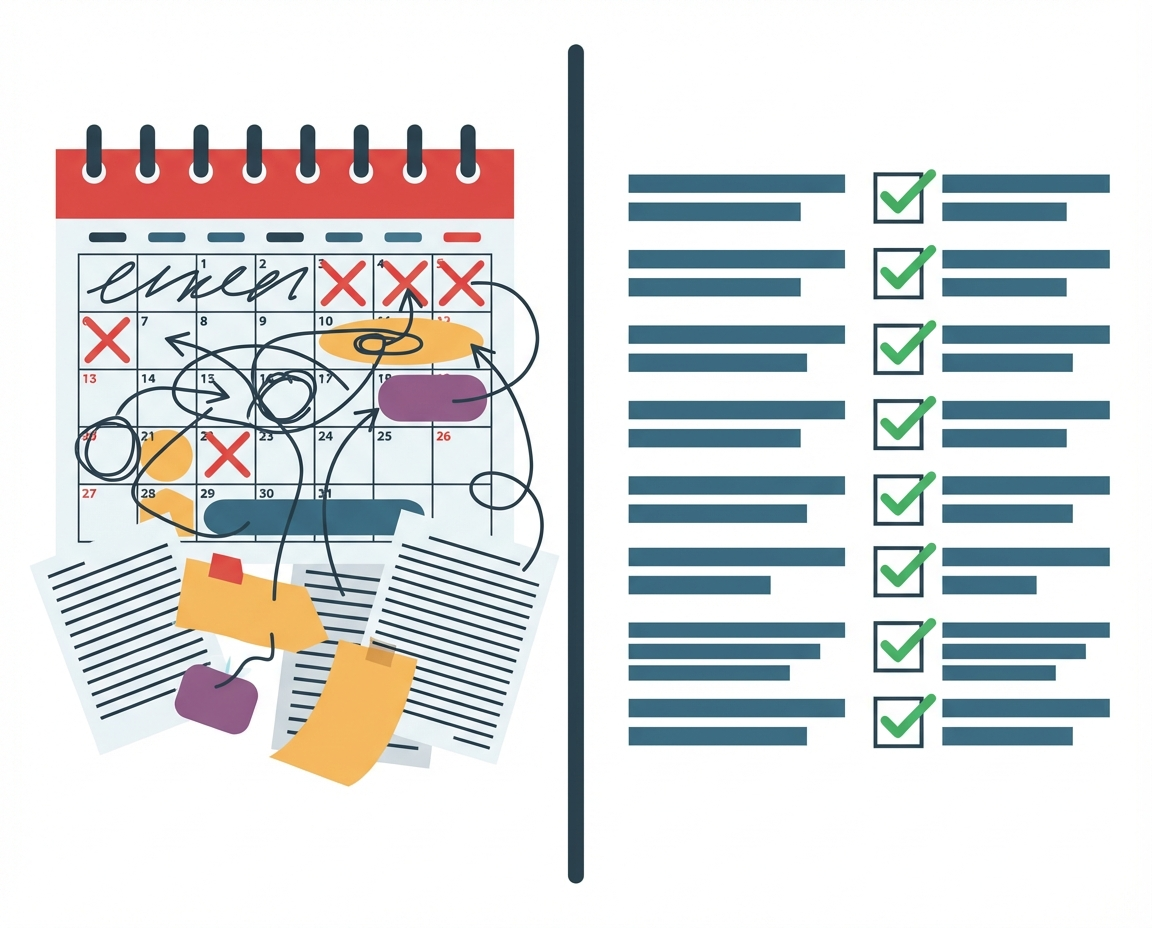
Alignment drives external sales success. - Different Motivations: While your employees are motivated by career growth within your organization, partners are motivated by their own margins and ease of sale. If your product is too hard to learn, they will sell something else.
- Limited Access: They do not have access to your internal Slack channels or managers for quick questions. Their knowledge must be self-contained or easily accessible through a portal.
Components of an Effective Program
When you are designing this training, you must focus on utility over theory. A partner does not need to know the history of your company logo. They need to know how to close a deal or fix a problem. A solid program usually includes specific functional areas.
Product Knowledge: This covers the technical specifications and feature sets. It provides the facts necessary to answer customer questions accurately.
Sales Enablement: This teaches the partner how to position the product. It explains the ideal customer profile and provides scripts or talking points that handle common objections.
Process and Compliance: This ensures the partner knows how to register a deal, order stock, or log a support ticket. It clarifies the rules of engagement so there is no friction in the business relationship.
When to Deploy Channel Partner Training
Timing is significant when rolling out these initiatives. If you inundate partners with information they do not need yet, they will tune out. There are specific scenarios where training provides the highest return on investment.
- New Partner Onboarding: This occurs immediately after signing an agreement. It sets the baseline for the relationship and ensures they do not go to market with incorrect information.
- New Product Launches: Whenever you release an update or a new line, partners need to be re-educated. They cannot sell what they do not understand.
- Performance Dips: If you notice a specific partner is failing to meet sales targets or is generating high support costs, targeted training can address the skills gap causing the issue.
The Unknowns of Partner Engagement
As you develop these programs, it is healthy to acknowledge what we still do not know. There is no perfect metric to guarantee that a completed training module translates to a sale. We have to ask difficult questions about engagement. Are partners watching the videos because they want to learn, or just to check a box to maintain their certification status?
We also struggle to measure the emotional buy-in of an external team. We can teach them the facts, but we cannot easily teach them to care as much as you do. The challenge for managers is to find the balance between providing enough information to be helpful without overwhelming partners who have their own businesses to run. It requires constant feedback loops and a willingness to adjust your materials based on what partners say they actually need.