What is Crowdsourced Learning?
You are likely the bottleneck in your own business. It is a harsh reality that many managers face when they look at how information flows through their teams. You have spent years accumulating experience and distinct knowledge about your industry and you feel a deep obligation to transfer that knowledge to your staff. This pressure creates a scenario where you feel you must author every manual, approve every procedure, and conduct every training session.
This approach is not sustainable. It leads to burnout for you and a lack of autonomy for your team. This is where crowdsourced learning enters the equation. It is a methodology that acknowledges that the smartest person in the room is usually the room itself.
Crowdsourced learning is an educational strategy where the learning content is created, curated, and updated by the learners themselves rather than a central authority or a dedicated training department. Instead of a static curriculum handed down from management, the repository of knowledge is dynamic and living. It relies on the contributions of the people actually doing the work day in and day out.
The Mechanics of Crowdsourced Learning
In a traditional structure, information flows vertically. In a crowdsourced learning environment, information flows horizontally. This changes the fundamental physics of how your business accumulates wisdom. The mechanisms for this are often tools you already possess but perhaps use differently.
- Wikis and Knowledge Bases: Staff members write articles on how to solve specific problems they encountered that day.
- Discussion Forums: Questions are asked openly and answers are voted on by peers based on accuracy and helpfulness.
- Video Repositories: Team members record short screen shares demonstrating a new workflow or hack they discovered.
The scientific benefit here is the reduction of latency. When a process changes or a new software update is released, a central authority might take weeks to update the official training manual. A user on the ground can update a wiki entry in three minutes.
Crowdsourced Learning vs. Traditional Instruction
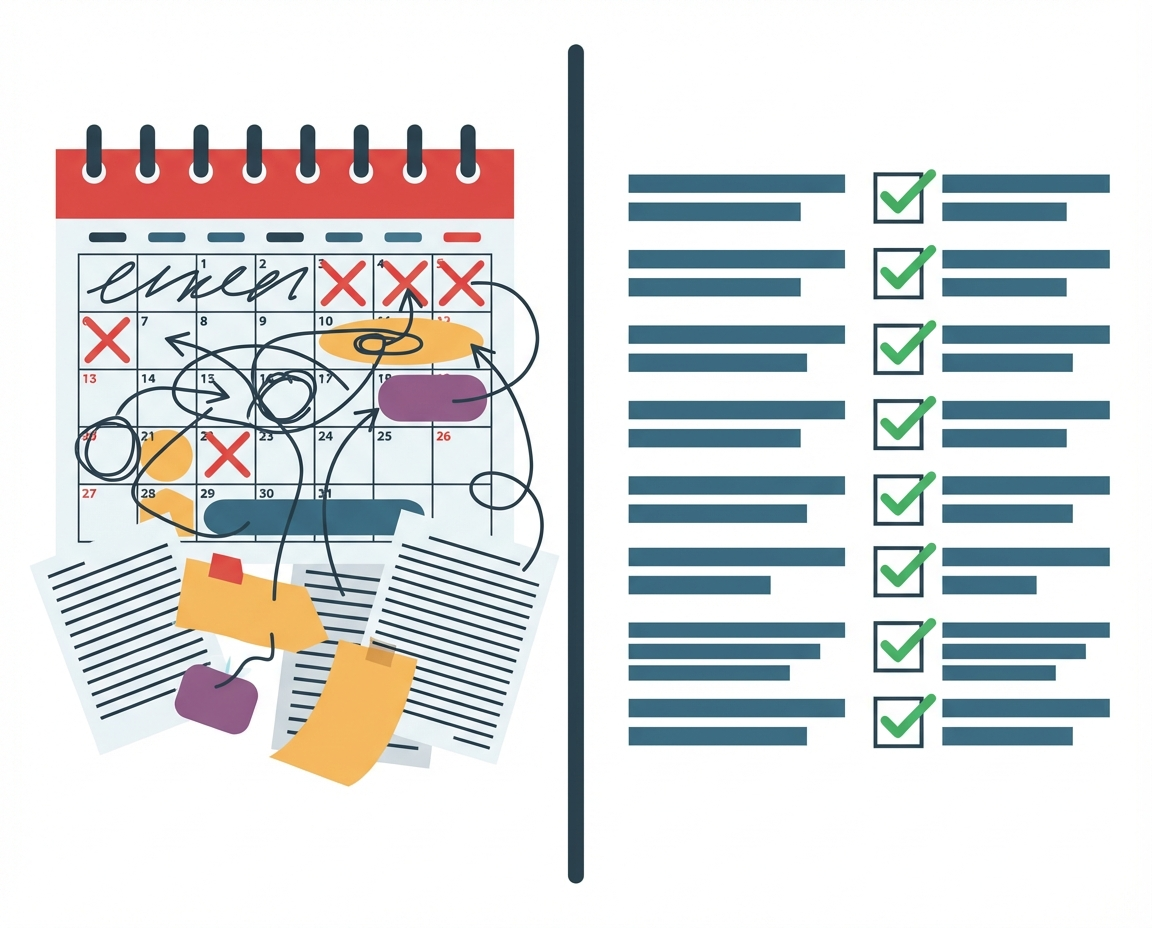
It is helpful to view this through a comparative lens to understand where it fits in your management toolkit. Traditional instruction is akin to a lecture hall. It provides high control and consistency. You know exactly what is being taught. However, it suffers from rigidity. It assumes that the curriculum designer knows all the variables the employee will face.
Crowdsourced learning functions more like a laboratory or a marketplace of ideas. It sacrifices some control for speed and relevance.
- Traditional: High consistency, slow update cycle, passive consumption.
- Crowdsourced: Variable consistency, real-time updates, active creation.
The shift here is from consumption to contribution. Your employees transition from passive recipients of your wisdom to active architects of the company knowledge base. This builds ownership and engagement, but it also introduces the risk of inaccurate information spreading if left completely unchecked.
Scenarios for Implementing Crowdsourced Learning
There are specific environments where this methodology thrives and others where it introduces unnecessary risk. Understanding the distinction is vital for a manager who wants to build a robust operation.
This approach works best in rapidly changing environments. If your business relies on software development, digital marketing, or complex customer support, the landscape changes too fast for a manual to keep up. If an employee finds a workaround for a software bug, crowdsourced learning allows that fix to propagate to the whole team instantly.
Conversely, this is not the right tool for compliance, safety, or legal training. You do not want a crowdsourced approach to heavy machinery safety protocols or harassment policies. Those require a single source of truth that is verified by experts and legal counsel.
The Managerial Role in Crowdsourced Learning
Adopting this model requires you to change your self-perception. You are no longer the professor. You become the librarian. Your job is not to write the books but to organize the shelves and ensure the quality of the collection.
You must ask yourself difficult questions about trust. Are you willing to let your team teach each other? Are you prepared to step in only when necessary to correct the course rather than driving the bus?
The challenge for you is to build the infrastructure that makes sharing safe. If an employee shares a tip that turns out to be inefficient, how you react determines the success of the program. If you punish the error, the sharing stops. If you use it as a discussion point to refine the process, the learning deepens. This is about building a culture where the collective brain of the company is valued over the individual expertise of the leader.