You know that feeling when you glance at your messaging app and see a gray circle next to a team member’s name. It might trigger a tiny spike of anxiety. Are they working? Should you check in? This is the heart of digitalpresenteeism
. It is the modern pressure to stay visible on digital platforms to prove you are productive. Instead of counting hours in a physical office, we are now counting the minutes someone is active on Slack or Teams.
For many business owners, the shift to remote work
replaced physical sightlines with digital indicators. We want to see our teams thriving and we want to know they are focused. But when we prioritize the appearance of work over the actual results, we create an environment where people are more concerned with their status icon than their actual output. This behavior is not just a personal habit; it is a cultural phenomenon that affects the health of your entire organization.
Understanding Digital Presenteeism
Digital presenteeism is the act of staying online or responsive beyond required hours to demonstrate commitment. It is not about the work itself. It is about the performance of work. This behavior often stems from a lack of clear performance metrics or a culture where people feel they are being watched.
When employees feel
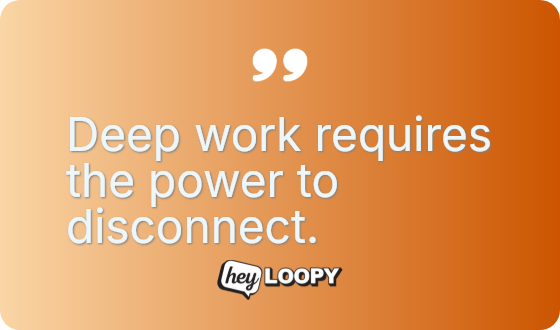
that their value is tied to how quickly they reply to a ping, they stop engaging in deep work. Deep work requires disconnection and it requires intense focus. Digital presenteeism is the enemy of that focus. Here are a few ways it shows up in daily operations:
Responding to non-urgent emails late at night to show activity.
Keeping a laptop open during lunch just to keep the status indicator green.
Sending unnecessary messages in group chats to ensure a name stays at the top of the feed.
Feeling guilty for taking a twenty minute walk during the day despite finishing all tasks.Presence is not the same as productivity.
Comparing Physical and Digital Presenteeism
Traditional presenteeism was the old habit of being the first one in the office and the last to leave. Even if you were just reading the news at your desk, you were seen as a hard worker because you were physically there. Digital presenteeism is more insidious because it follows us everywhere.
Physical presence has boundaries like a commute or an office door. Digital presence is boundless. It exists on the phone in your pocket and the tablet on your nightstand. While physical cues are visual, digital cues are often just notification sounds that trigger a dopamine response or a stress reaction. In a physical office, you can see if a colleague is deep in thought. In a digital space, silence is often misinterpreted as absence
or laziness.
Why Digital Presenteeism Impacts Your Team
The cost of this constant connectivity is high. Research suggests that the pressure to be always available leads to increased stress and cognitive fatigue. It also lowers the quality of the work being produced. If a manager rewards the fastest responder instead of the most thoughtful contributor, the team will naturally pivot toward speed over quality.
This creates a cycle of exhaustion. When people are exhausted, they make more mistakes. They lose the ability to think creatively or to solve the complex problems that your business needs to grow. We have to ask ourselves some difficult questions. Do we actually know what productive work looks like for our specific business? If we cannot see our employees, how do we define success? These are unknowns that many managers are currently navigating.
Scenarios Where This Culture Manifests
Think about your last team meeting. Did people feel comfortable muting their notifications? Or did you hear the constant chime of incoming messages throughout the call? Another common scenario is the weekend ping. A manager might send a thought on a Saturday with no expectation of an answer until Monday. However, the employee sees the notification and feels a social debt to reply immediately.
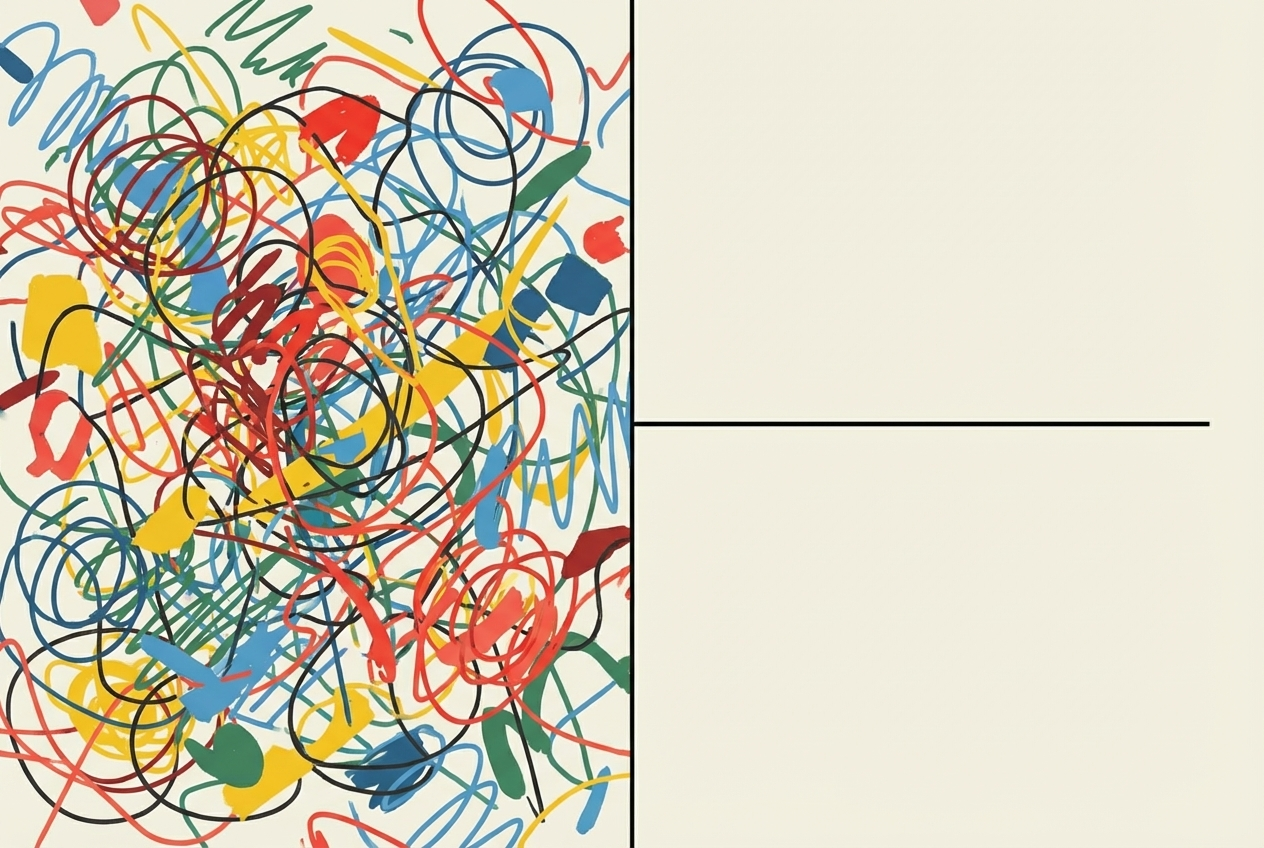
This creates a cycle where no one truly rests. To build something remarkable, we must move away from monitoring presence. We need to focus on the clarity of our goals and the quality of the results. This shift requires us to be brave enough to let the screens go dark so the real work can happen. How would your team change if you explicitly told them that a green light does not equal a job well done?