What is Informal Learning?
You are building something that matters. You pour your energy into your business because you want it to last, and you want your team to grow alongside it. But there is a specific anxiety that comes with managing people. You worry that you are not providing enough training. You see other companies sending staff to expensive seminars or rolling out complex learning management systems, and you fear you are falling behind. You worry that without a rigid syllabus, your team is not learning.
It is time to alleviate that pressure. The reality is that the vast majority of workplace learning does not happen in a seminar room. It happens in the margins of the workday. It happens when a junior employee asks a senior developer why the code broke. It happens during a quick chat while making coffee. This is informal learning. It is unstructured, organic, and often more impactful than any certificate course. By understanding it, you can stop stressing about the budget for formal training and start focusing on the environment you are building.
Understanding Informal Learning
Informal learning is the acquisition of knowledge and skills that occurs away from a structured, formal classroom environment. It is not directed by an instructor, and it rarely follows a specific curriculum. Instead, it is driven by the learner’s need to know something right now to get a job done.
Consider the last time you learned a new feature in your accounting software. You likely did not sign up for a three day workshop. You probably searched for a specific article, watched a five minute video, or asked a colleague who had done it before. That process is the essence of informal learning. It includes:
Mentoring and coaching sessions that happen spontaneously
Water cooler chats where employees swap war stories about difficult clients
Reading articles, blogs, or industry newsletters
Trial and error while working on a new project
Informal Learning vs Formal Training
To better understand where this fits into your business, it helps to compare it with formal training. Formal training is event based. It has a start date, an end date, and specific learning objectives. It is excellent for compliance, safety certifications, or introducing a standardized process across a large organization.
Informal learning is continuous. It is interwoven with the actual work. While formal training pushes information to the learner, informal learning pulls information when it is needed.
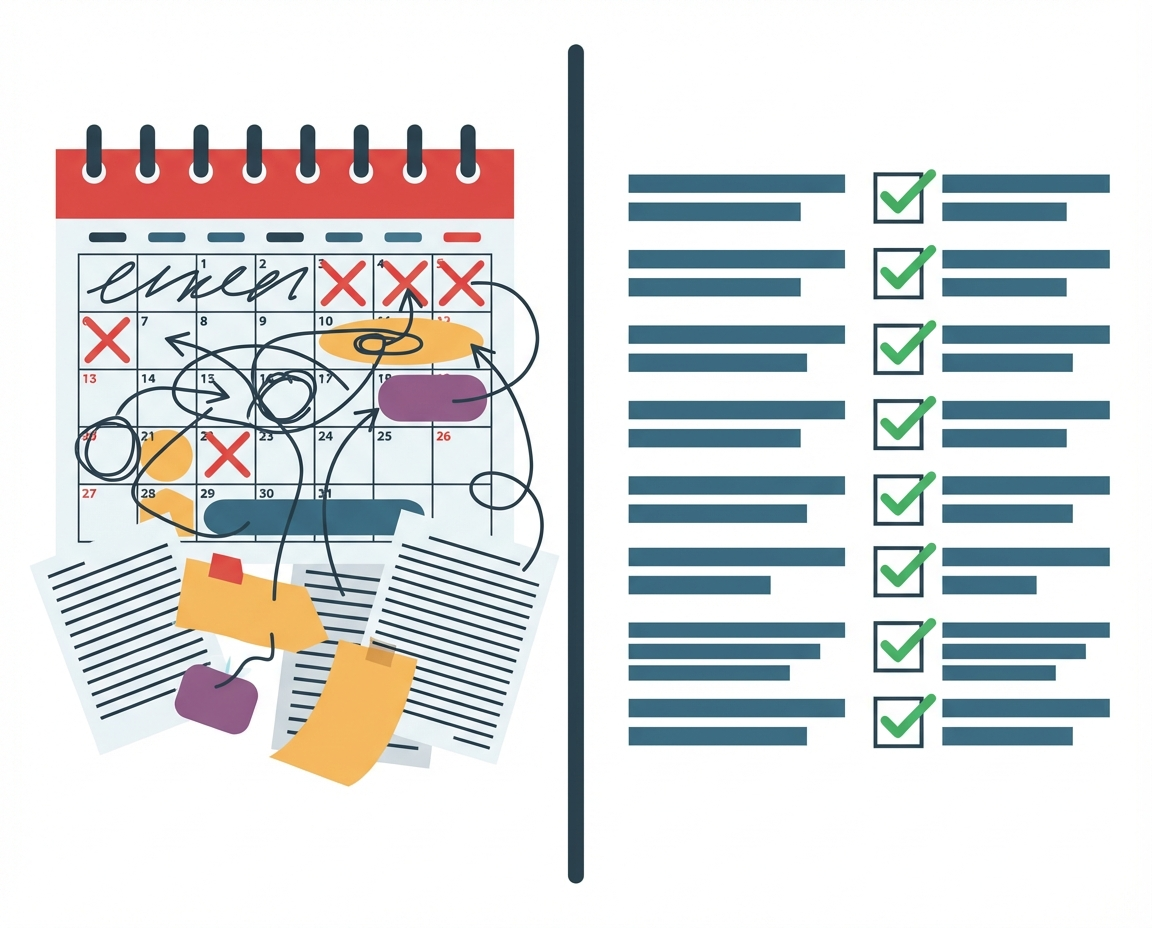
Control: You control the content in formal training. In informal learning, the learner controls the path.
Cost: Formal training often requires high direct costs. Informal learning requires a cost of time and culture building.
Retention: Knowledge from formal events can fade quickly if not used. Informal learning usually happens because the knowledge is needed immediately, leading to higher retention.
Facilitating Informal Learning Scenarios
As a manager, you cannot force informal learning to happen, but you can certainly kill it. If your team is terrified of making mistakes, they will not experiment. If everyone works in silos with their headphones on all day, they will not share knowledge.
Your role is to create the fertile ground where these interactions occur. This requires shifting from a directive management style to a supportive one. You can encourage this through specific environment choices:
The physical or digital space: Do you have channels in your chat software dedicated to random sharing? Is there a physical spot where people can sit and talk without looking like they are loitering?
Access to resources: Does your team have subscriptions to libraries, trade magazines, or toolkits that they can browse on their own time?
Permission to fail: When a project goes wrong, is it a crisis or a case study? Informal learning thrives on the autopsy of a mistake.
Questions for the Reflective Manager
There is no perfect formula for this. It is a social science, not a math problem. As you look at your own organization, there are questions we still do not have the answers to, which you must explore for yourself.
How do we measure the ROI of a conversation? We often cannot, and that makes data driven managers uncomfortable. How do you balance the need for productivity with the need for chatty, unstructured downtime? If everyone is learning informally, how do you ensure they are not picking up bad habits or incorrect information?
These are the tensions you will manage. But knowing that learning is happening even when you are not teaching allows you to trust your team more. It allows you to focus on building a culture of curiosity rather than just a schedule of classes.