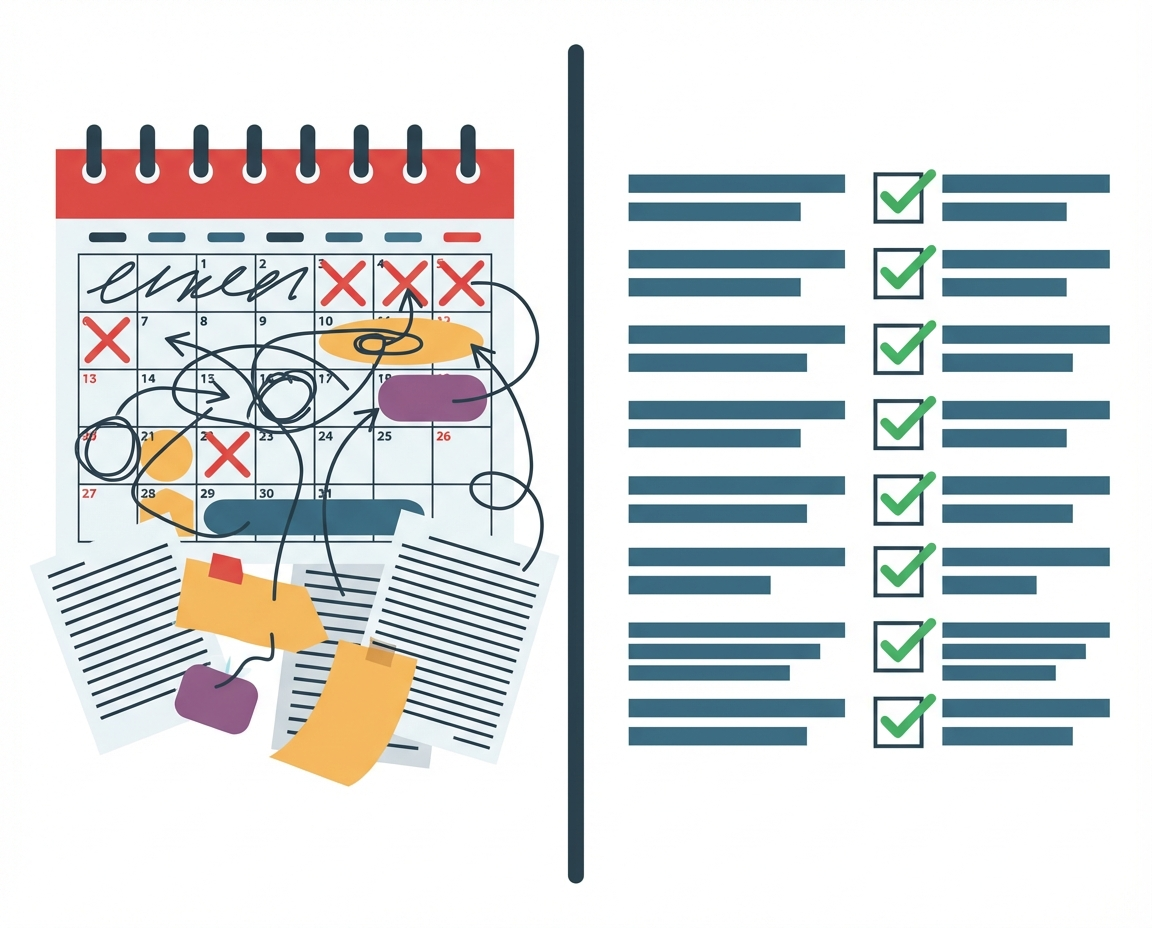
What is Macrolearning?
Running a business or managing a team often feels like you are expected to be an expert in everything all at once. One day you need to be a financial analyst, the next a hiring manager, and the day after that a marketing strategist. It is easy to feel overwhelmed by the sheer volume of skills required to keep a venture afloat. You might fear that you are missing critical foundational knowledge that your peers seem to possess effortlessly.
In an age of five minute videos and top ten lists, there is a temptation to skim the surface of these topics. However, building something that lasts requires a different approach. This brings us to the concept of macrolearning. This is not about grabbing a quick answer to a specific problem. It is about the heavy lifting required to truly understand a domain.
Defining Macrolearning in the Business Context
Macrolearning refers to longer form learning activities designed to teach comprehensive new skills or entire domains. Unlike the quick tips you might find on social media, macrolearning involves a significant investment of time and cognitive effort. It is the difference between watching a video on how to read a balance sheet and taking a semester long course on corporate finance.
This type of learning usually takes place over days, weeks, or even months. It is structured and sequential. The goal is not just to solve an immediate pain point but to build a mental framework that allows you to solve future problems without assistance.
Common examples include:
- University degrees or certificate programs
- Multi week executive education workshops
- Comprehensive certification courses
- Intensive bootcamps focused on a specific trade or skill set
Macrolearning Compared to Microlearning
To understand the value of macrolearning, it helps to look at it alongside its counterpart. Microlearning creates bite sized pieces of content for immediate consumption. It is excellent for just in time information, like recalling a specific regulation or learning a software shortcut.
However, relying solely on microlearning can be dangerous for a business owner. It provides the how without the why. Macrolearning provides the context.
Consider the difference:
- Microlearning: watching a tutorial on how to set up a specific ad campaign.
- Macrolearning: taking a course on consumer psychology and brand strategy.
If you only rely on the former, you might know which buttons to click, but you may lack the insight to understand why the campaign fails or succeeds. Macrolearning builds the scaffolding upon which microlearning can later hang.
When Managers Should Prioritize Macrolearning
Time is the scarcest resource for any leader. Committing to a macrolearning endeavor means sacrificing time elsewhere. Therefore, it is vital to know when this investment is necessary.
Macrolearning is most effective when you are entering a new phase of business maturity or stepping into a role where your intuition is no longer sufficient. If you are pivoting your business model, expanding into a new international market, or taking over a technical team without a technical background, surface level knowledge will not suffice.
Ask yourself these questions:
- Is this a skill I will need to use every day for the next five years?
- Does the success of my team depend on my deep understanding of this topic?
- Am I unable to evaluate the quality of work my team produces because I lack the fundamentals?
If the answer is yes, the deep dive of macrolearning is likely required.
The Challenge of Retention and Application
The scientific reality of macrolearning is that it is mentally taxing. The forgetting curve suggests that without practical application, much of what is learned in long courses can be lost. This presents a challenge for the busy executive.
To make macrolearning effective, it must be coupled with immediate practice. This is where your role as a builder comes in. You have a live laboratory in your business. As you engage in macrolearning, you should be looking for ways to implement the theories immediately.
There are still unknowns in how we optimize this for busy professionals. We have to ask how much theory is enough before action is required. We must consider if the traditional academic structures of macrolearning are agile enough for the modern economy. These are questions you must weigh as you decide where to invest your energy.