What is Metadata?
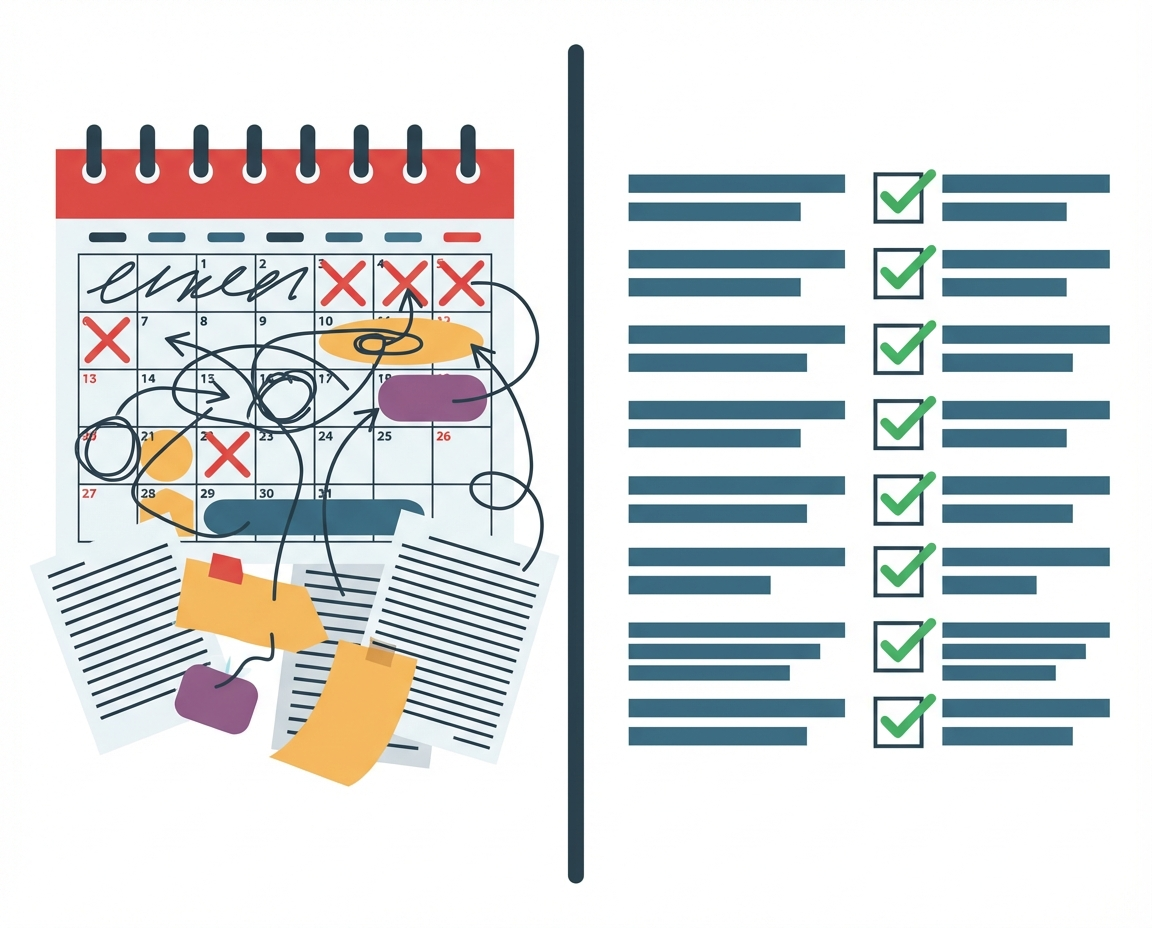
You spend hours documenting a critical process or creating a training module for your team. You feel a sense of relief knowing the information is finally out of your head and stored where everyone can access it. Yet a week later a team member asks you a question that is explicitly answered in that document. You feel that spike of frustration and maybe a little fear that your team is not listening.
The reality is often much simpler and less personal. They likely tried to look for the answer but could not find it. In the modern business environment we are drowning in content but starving for context. This is where the concept of metadata becomes a critical management tool rather than just a technical buzzword. It is the bridge between the hard work you put into creating resources and the moment your team actually needs to use them.
Defining Metadata in Business Operations
At its core definition metadata is data that describes other data. If a training video is the data then the metadata is the label that tells a computer system what that video is about. In the physical world this is the equivalent of the label on a can of soup. Without the label you have to open every can to know what is inside. In an LMS or digital file system metadata serves the same function.
It consists of structured information that makes content searchable, sortable, and manageable. When we strip away the technical jargon we are really talking about the findability of your business intelligence. If your team cannot find it then it might as well not exist.
Core Components of Metadata
When setting up an LMS or organizing a shared drive you will encounter specific fields that constitute metadata. Understanding these components helps you build a system that works for humans rather than just algorithms.
- Descriptive Metadata: This includes the title, description, author, and keywords. This is what helps a user decide if this is the right file to open.
- Structural Metadata: This indicates how compound objects are put together, such as how pages are ordered to form a chapter.
- Administrative Metadata: This provides information to help manage a resource, such as when and how it was created, file type, and who has access permissions.
Metadata Compared to Content
It is important to distinguish between the content itself and the metadata. The content is the value you provide, such as the insights in a PDF or the instructions in a video. The metadata is the packaging.
Consider a library. The book is the content. The entry in the card catalog is the metadata. You can have the most valuable book in the world but if the card catalog lists it under the wrong subject or spells the title wrong nobody will ever read it. In business, managers often focus 99% of their energy on the content and 1% on the metadata. A shift in this balance can lead to significant operational improvements.
Scenarios for Application
There are specific moments when paying attention to metadata yields the highest return on investment for a manager.
- Onboarding: When a new hire is overwhelmed, clear tagging allows them to filter out advanced materials and focus only on beginner content.
- Compliance: Using date-based metadata ensures that expired or outdated policies do not appear in search results which reduces the risk of errors.
- Scalability: As you grow from ten files to ten thousand files consistent naming conventions and tagging prevent your digital workspace from becoming a digital junk drawer.
The Managerial Responsibility
The challenge for us as leaders is that metadata requires upfront discipline. It takes extra time to tag a file properly when you are in a rush. However this is an investment in your future sanity and the autonomy of your team. By establishing clear standards for how you describe your data you provide a framework that allows your business to function without your constant intervention.
We do not always know the perfect keyword to use today for a problem that might arise next year. That is a known unknown. But by starting with a consistent meaningful structure we create a safety net that captures our institutional knowledge and makes it usable.