What is Microlearning?
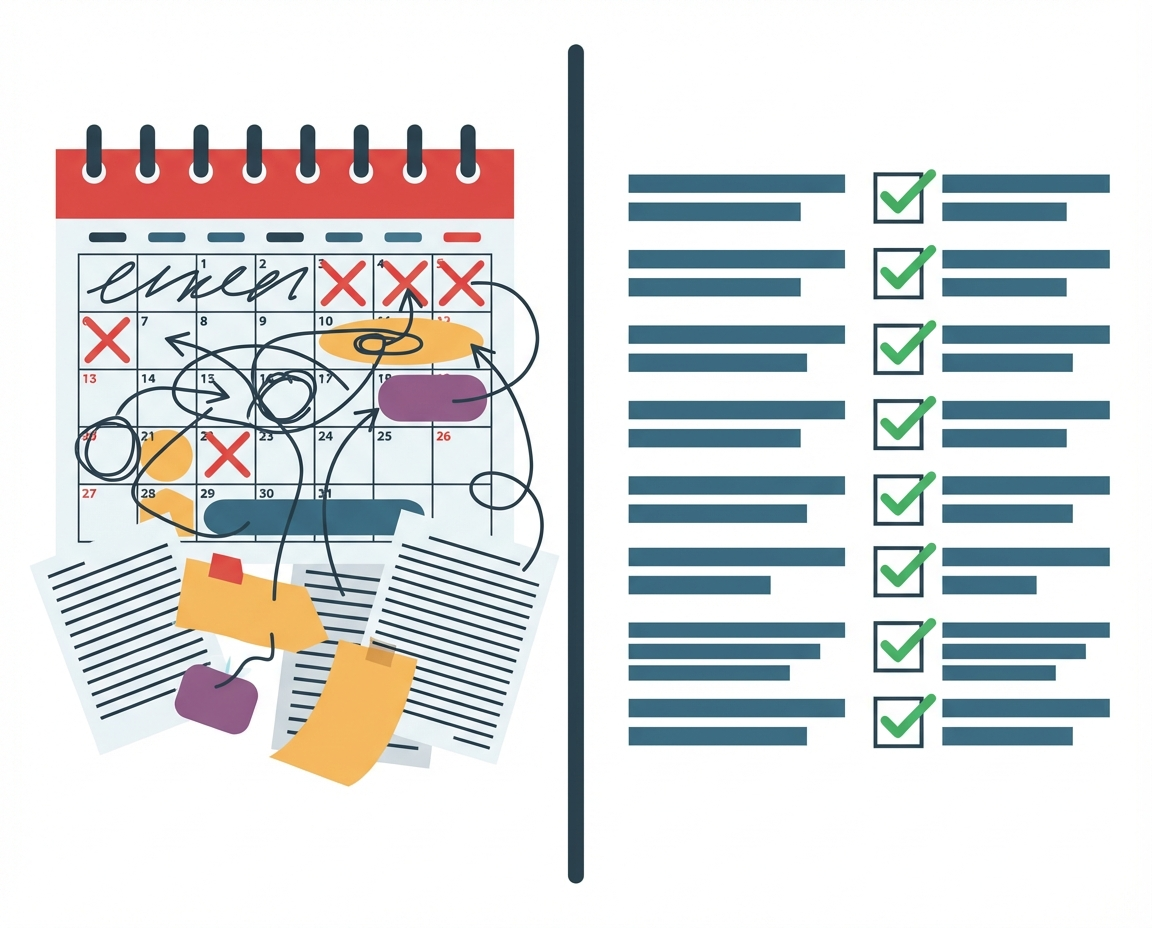
You are likely familiar with the sinking feeling of knowing your team needs training but fearing the downtime required to get it done. You want your employees to grow. You want them to feel confident in their roles. Yet the idea of pulling them away from their desks for a day-long seminar feels impossible when you are trying to keep a business afloat.
There is also the fear that they will sit through hours of lectures only to retain a fraction of the information. This is a valid concern. The human brain is not wired to absorb massive amounts of data in one sitting without practice. We often force our teams to drink from a firehose and then wonder why they are still thirsty for practical answers a week later.
This is where the concept of microlearning enters the conversation. It is not just a buzzword. It is a shift in how we respect the time and cognitive limits of the people we hire.
Defining Microlearning in the Workplace
Microlearning is an educational strategy that breaks complex topics down into small, highly focused units. Rather than a broad course on customer service, microlearning offers a three-minute module specifically on how to de-escalate an angry caller. The core defining features usually include:
- Brevity: Content typically takes between three to five minutes to consume.
- Single Learning Objective: Each unit solves one specific problem or answers one specific question.
- Accessibility: It is often designed to be consumed on demand, right when the information is needed.
From a scientific perspective, this approach aligns with cognitive load theory. By reducing the volume of information, the brain can process and encode the material more effectively into long-term memory. It removes the fluff and delivers the utility.
Microlearning vs. Macrolearning
To understand the value here, we must contrast it with macrolearning. Macrolearning is the traditional education model. It is the university course, the certification program, or the all-day workshop. These formats are necessary for deep, foundational knowledge. You cannot teach someone to be a surgeon or an accountant in five-minute bursts.
However, macrolearning has limitations in a fast-paced business environment:
- Retention Decay: Without immediate application, knowledge from long seminars fades quickly.
- High Resource Cost: It requires significant time away from production.
- Delayed Feedback: Learners often have to wait until the end of a course to test their understanding.
Microlearning serves a different function. If macrolearning is the meal, microlearning is the snack. It fills the gaps between major educational milestones and provides support exactly when it is needed. It acknowledges that your staff does not need to know everything at once. They just need to know what they need to know right now.
When to Deploy Microlearning Scenarios
Not every training need can be solved with a short video or a quick checklist. However, there are specific scenarios where this methodology excels and can alleviate the stress of management.
Consider these applications for your business:
- Onboarding: Instead of a fifty-page handbook, use short modules for specific tasks like setting up email or using the time-tracking software.
- Product Updates: When a spec changes, a quick burst of information is better than a full retraining session.
- Compliance Refreshers: Small reminders about safety or data privacy are more effective than an annual lecture that everyone tunes out.
- Soft Skills Reinforcement: Quick tips on active listening or email etiquette can be consumed before a big meeting.
The Strategic Value of Microlearning for Managers
For the business owner, this approach offers a way to build a culture of continuous improvement without the paralysis of planning massive training events. It allows you to address performance gaps surgically. If you notice a team member struggling with a specific process, you can provide a targeted resource rather than mandating general training.
There are questions we must ask ourselves as leaders before adopting this. Are we using microlearning to support deep work, or are we using it to avoid the hard work of deep mentorship? Are we fragmenting knowledge so much that our teams lose the big picture?
It is worth considering if your current training methods are actually serving your people or just checking a box. Microlearning invites us to value clarity over volume. It suggests that perhaps the best way to help our teams build something remarkable is to give them the right bricks, one at a time, exactly when they are ready to lay them.