What is Mobile Learning (mLearning)?
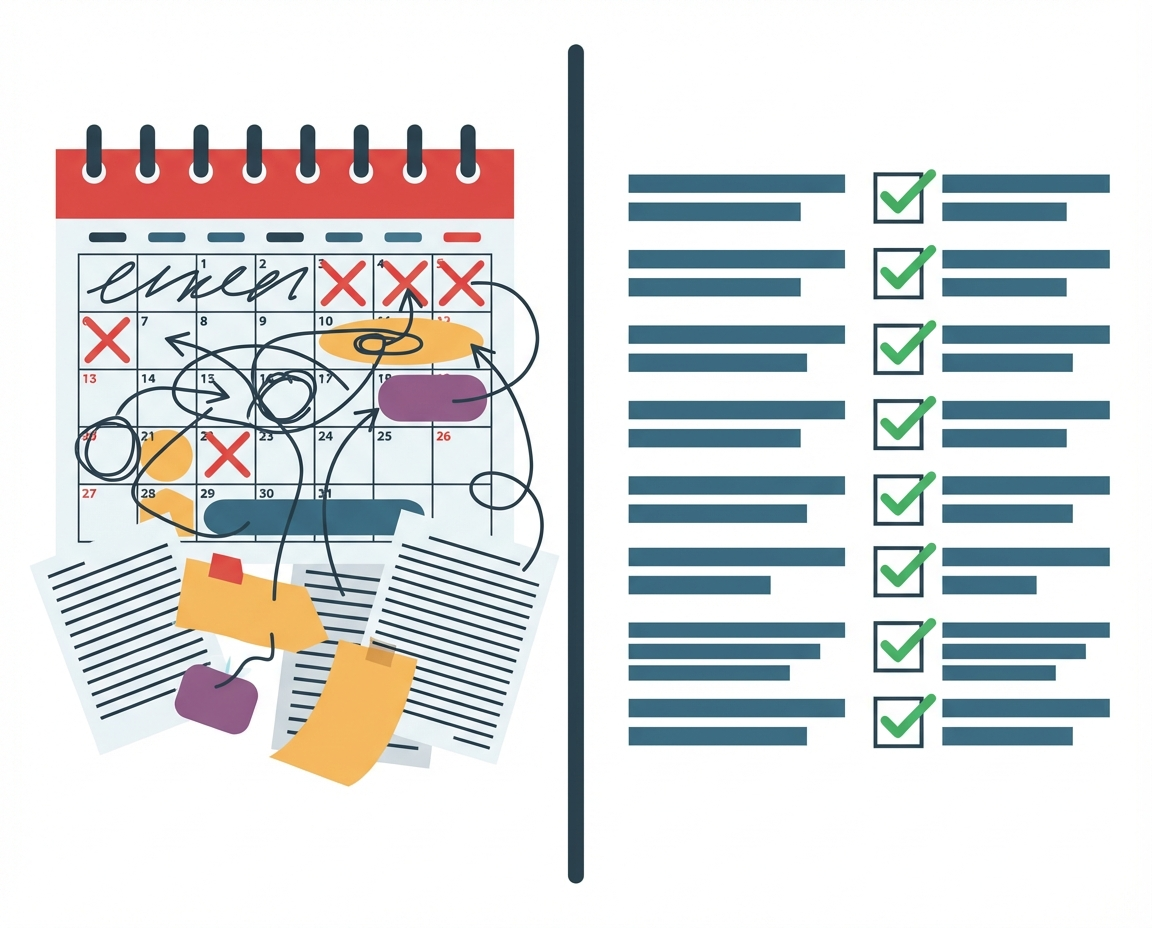
You are building something that matters. You pour your energy into your vision and your team because you know that a business is only as strong as the people running it. Yet, one of the most consistent sources of anxiety for business owners is the gap between what their team needs to know and the time available to teach them. You might worry that critical information is getting lost in the shuffle or that pulling your staff away for formal training sessions will grind productivity to a halt.
This is where the concept of Mobile Learning, or mLearning, becomes a vital tool in your management toolkit. It is not just about technology. It is about fitting necessary growth into the pockets of time that exist in a real-world work environment. mLearning is defined as learning across multiple contexts, through social and content interactions, using personal electronic devices. It allows your team to access information exactly when they need it, rather than waiting for a scheduled seminar.
Understanding the Mechanics of mLearning
At its core, mLearning utilizes the smartphones and tablets that your employees likely already possess and check frequently. It shifts the educational model from a push based system, where you force information at a specific time, to a pull based system, where the learner retrieves information on demand. This approach respects the autonomy of your staff and acknowledges the reality of modern attention spans.
Key characteristics of mLearning include:
- Portability: The learning travels with the employee, whether they are on the sales floor, at a job site, or commuting.
- Interactivity: It often utilizes touchscreens, cameras, and social sharing features native to mobile devices.
- Context-Awareness: The content is designed to be relevant to the immediate environment or task at hand.
This method reduces the friction between having a question and finding the answer. However, it raises valid questions for you as a manager regarding boundaries. Does using personal devices blur the line between work and life too much? It is worth considering how you will handle device policies and ensure that this accessibility feels like a resource rather than an intrusion.
Distinguishing mLearning from Traditional eLearning
It is a common misconception that mLearning is simply a desktop course shrunk down to a smaller screen. While both fall under the digital training umbrella, they serve different cognitive functions and operational needs. Understanding this distinction is crucial for deciding which tool solves which problem.
Consider the following differences:
- Duration: Traditional eLearning usually involves long sessions, perhaps 30 to 60 minutes, designed for deep mastery of complex subjects. mLearning consists of bite-sized units, often 3 to 5 minutes long, designed for quick consumption.
- Device Focus: eLearning is tethered to a desk or laptop with a stable connection. mLearning is designed for intermittent connectivity and variable environments.
Support your team without overwhelming them. - Goal: eLearning creates a foundation of broad knowledge. mLearning provides just-in-time performance support.
If you are trying to teach a complex new software architecture, you likely need the focus of eLearning. If you are trying to remind a technician of a specific safety protocol right before they execute it, mLearning is the superior vehicle.
Strategic Scenarios for mLearning Implementation
Knowing what the tool is helps, but knowing when to deploy it is what alleviates the stress of management. You want to ensure your team feels supported without feeling overwhelmed. mLearning shines in specific operational contexts where agility is more valuable than depth.
Effective use cases include:
- Onboarding Reinforcement: After the initial heavy training, use mobile pushes to remind new hires of key values or processes over their first month.
- Product Updates: For sales teams constantly on the move, a quick video on a phone explaining a new feature allows them to learn between client meetings.
- Compliance Checklists: Instead of memorizing safety regulations, staff can access interactive checklists on site to ensure compliance in real time.
This approach removes the fear that your team is operating without a net. The information is always in their pocket.
Addressing Unknowns in Mobile Adoption
While the benefits of accessibility are clear, adopting mLearning requires you to think through the cultural implications for your specific business. There is no single right answer, only what works for your specific team dynamics.
You should ask yourself these questions as you explore this path:
- How will we ensure equitable access if some employees have older devices?
- How do we measure the effectiveness of learning that happens in 5 minute bursts?
- Are we prepared to curate content that is concise enough for mobile consumption without losing nuance?
By engaging with these questions, you move from simply managing tasks to actively leading a culture of continuous, accessible improvement. It allows you to build a resilient organization where knowledge flows freely, helping you sleep a little better at night knowing your team has what they need to succeed.