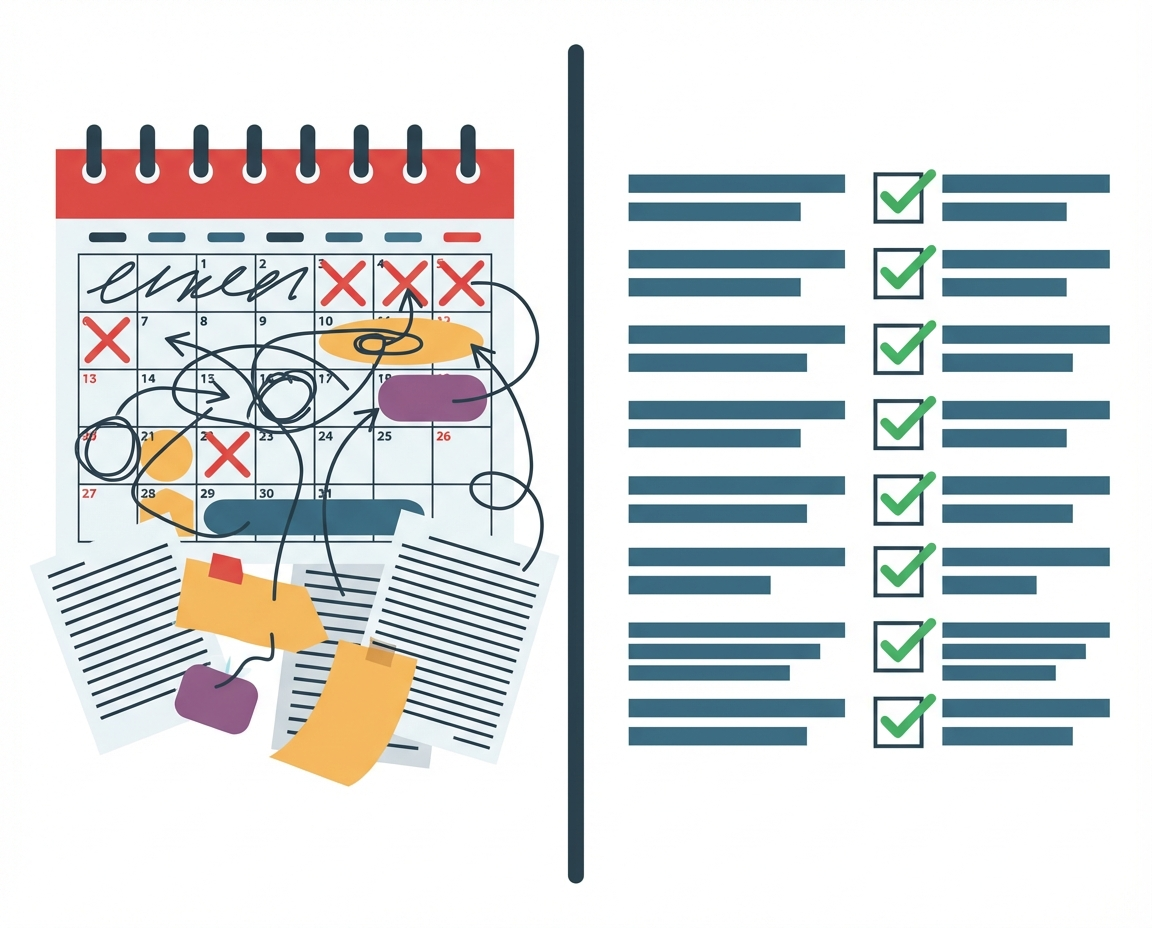
What is Off-the-Shelf Content?
You are likely juggling the immediate demands of keeping your business afloat while worrying that your team is not growing as fast as they should. You want to offer them development opportunities, but you simply do not have the hours in the day to create training materials from scratch. This is where off the shelf content serves as a specific logistical solution.
Off the shelf content refers to pre existing training courses and materials that are created by third party vendors and are ready for immediate purchase and use. Unlike custom content, which is built specifically for your unique organization, these are generalized products designed to apply to a wide range of companies and industries.
Think of this as buying a suit from a department store rack rather than hiring a tailor to measure and cut fabric specifically for your body. The goal is utility, speed, and accessibility rather than a perfect, bespoke fit. For a manager worried about missing key pieces of infrastructure, these libraries provide an immediate baseline of knowledge.
The Core Mechanics
When you acquire off the shelf content, you are typically buying a license to access a library of assets. These are professionally developed courses that often adhere to industry standards for instructional design. They cover topics that are universal across most businesses.
Here is what typically characterizes this type of content:
- Immediate Availability: There is no development time. You purchase the license and your team can start learning the same day.
- Standardization: The content is consistent. Every employee who takes the course receives the exact same information and methodology.
- Cost Efficiency: Because the vendor spreads the cost of development across hundreds of clients, the price per user is generally much lower than custom development.
- Regulatory Updates: For topics like compliance or safety, vendors usually update the content automatically when laws change, removing that burden from your shoulders.
Comparing to Custom Content
The primary alternative to buying pre made courses is building custom content. This is a classic business decision involving the trade off between resources and specificity. It is important to look at this scientifically to understand where your limited budget should go.
Custom content is expensive and slow to produce. However, it speaks the specific language of your business. It uses your acronyms, your processes, and your culture. It is necessary when training someone on a proprietary machine or a unique internal workflow.
Off the shelf content is generic. It will not reference your company values or your specific customers. However, it excels at teaching universal concepts. A spreadsheet works the same way in every office, and sexual harassment laws apply to every business. Using pre made content for these universal topics frees up your mental energy to focus on the unique problems only you can solve.
Best Use Scenarios
Determining when to use off the shelf content requires looking at the nature of the skill gap you are trying to close. You should consider this solution when the subject matter is not unique to your competitive advantage.
Consider these common applications:
- Compliance and Safety: Topics like workplace safety, data privacy, and anti harassment training are standard. Using a vendor ensures you meet legal requirements without having to become a legal expert yourself.
- Soft Skills: Leadership, communication, time management, and conflict resolution are universal human challenges. A course on active listening is valuable regardless of your specific industry.
- Technical Basics: Training on common software suites, basic coding, or project management methodologies rarely requires customization.
Critical Considerations for Leaders
While this solution offers speed and structure, it introduces questions that a thoughtful manager must weigh. There is a risk of disconnection. If the training feels too generic, your team might feel it is irrelevant to their daily struggles.
As you evaluate these tools, you have to ask yourself how you will bridge the gap between the generic content and your specific reality. How will you contextualize a generic leadership course to fit the culture you are fighting to build? The content is a tool, not a strategy. The value comes not just from the purchase, but from how you integrate it into the wider conversation about excellence and growth within your team.