
What is Tactical Empathy and how it builds teams
Managing a team often feels like walking through a fog. You have the goals and you have the vision. Yet, there are days when it feels like your message is hitting a brick wall. You worry that you are not being heard or that you are missing something vital happening beneath the surface with your staff. This uncertainty creates a unique kind of stress. You want to lead well, but the human element is unpredictable and complex.
Defining Tactical Empathy
Tactical empathy is the deliberate act of recognizing and naming the emotions and perspective of the person you are talking to. It is not about agreeing with them or even liking their position. It is about demonstrating that you understand where they are coming from.
In a business setting, this means paying close attention to more than just words. You are looking for:
- Tone of voice
- Body language
- Subtle shifts in energy
- The underlying fears that drive a behavior
By identifying these elements, you can lower the defensive barriers that naturally go up during stressful conversations. This allows for a more honest exchange of information between you and your team.
The Mechanics of Tactical Empathy
The process relies on several core components. One of the most effective tools is labeling. When you see a team member looking frustrated, you do not ignore it. You might say something like, it seems like you are feeling pressured by this deadline.
This does two things:
- It validates their experience without you having to change the deadline.
- It forces their brain to process the emotion rationally rather than reactively.
Another tool is mirroring. This involves repeating the last few words of what someone said. It signals that you are listening and encourages them to expand on their thoughts. For a manager, this provides better data. Better data leads to better decisions and fewer mistakes in judgment.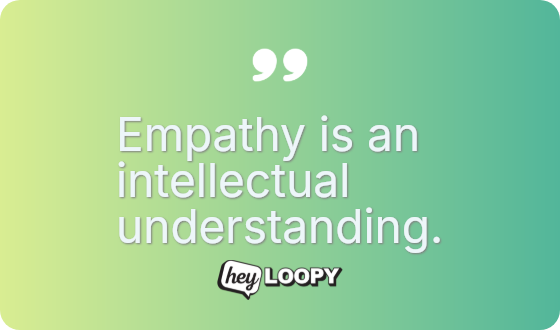
Tactical Empathy versus Sympathy
It is important to distinguish this from sympathy. Sympathy involves feeling the same emotion as the other person. If your employee is sad, you feel sad. This can actually be counterproductive for a manager because it clouds your judgment and makes it harder to lead.
Empathy is an intellectual understanding. You can understand that an employee is angry without becoming angry yourself. Tactical empathy goes a step further by using that understanding to guide the conversation toward a productive outcome. While sympathy focuses on sharing a burden, tactical empathy focuses on removing the obstacles to clear communication.
Scenarios for Tactical Empathy
There are specific moments where this approach is particularly useful. Consider a performance review where the employee is clearly defensive. Instead of pushing harder on the metrics, you can label the defensiveness. You might say, it looks like you feel this evaluation is unfair.
Other scenarios include:
- Negotiating a budget increase with a nervous department head.
- Handling a conflict between two valuable team members.
- Addressing a sudden drop in productivity from a usually reliable staffer.
In each case, you are using empathy to uncover the root cause of the behavior. You are looking for the why behind the what so you can move forward.
Navigating the Unknowns of Human Connection
Even with these tools, human interaction remains an area full of variables. We still do not fully know how much emotional disclosure is ideal in a professional setting. There is a fine line between being an empathetic leader and overstepping personal boundaries.
Questions for you to consider in your own practice:
- At what point does tactical empathy become manipulative?
- How do you maintain your own emotional stability while processing the emotions of others?
- Can this approach be sustained during periods of extreme high stress?
As you grow your business, these questions will likely persist. The goal is not to have all the answers but to remain curious about the people who help you build your vision. Tactical empathy provides a framework to keep building even when the human element feels overwhelming.







