What is the ADDIE Model?
You watch your team struggle with a new process or software and you know the solution is training. The instinct is often to immediately jump into creating a slide deck or recording a quick video to stop the bleeding. However, rushing into content creation without a plan is usually why training fails to stick. It wastes your time and leaves your employees frustrated.
There is a massive difference between simply showing someone how to do something and actually designing a learning experience that changes behavior. This is where established frameworks come in to do the heavy lifting for you. One of the most foundational concepts in this space is the ADDIE model. It provides a structured approach to ensure that the time you invest in developing your team yields actual results rather than just checking a box.
Understanding the ADDIE Model
ADDIE is an acronym that stands for Analysis, Design, Development, Implementation, and Evaluation. It is the classic waterfall method of the instructional design world. While it originated in the military in the 1970s, it remains the backbone of corporate training because it forces you to slow down and validate your assumptions before you build anything.
The model works on a simple premise. You should not build a house without a blueprint, and you should not build a training program without understanding the problem you are trying to solve. For a business owner, this framework acts as a risk mitigation tool. It prevents you from spending weeks creating a training course that nobody needs or that addresses the wrong issue.
The Five Phases Explained
To apply this to your business, you need to understand the specific inputs and outputs of each phase. It is a linear process where the output of one phase feeds directly into the next.
- Analysis: This is the investigative phase. You ask the hard questions. Who is the audience? What do they already know? What is the gap between what they are doing now and what they need to be doing? Is training even the right solution, or is this actually a process or motivation problem?
- Design: Here you blueprint the learning experience. You outline learning objectives, select the delivery method (online, in-person, manual), and structure the content flow. You are not building the content yet; you are planning how it will look.
- Development: Now you build. This is where you write the manuals, record the videos, or create the slide decks based on the design specifications. You create the assets and test the technology.
- Implementation: This is the launch. You deliver the training to the learners. This involves logistics, scheduling, and ensuring the environment is ready for learning to occur.
- Evaluation: This happens throughout the process but especially at the end. Did they learn it? Did their behavior change? Did it impact the business metrics you hoped to improve?
Comparing ADDIE to Agile Methods
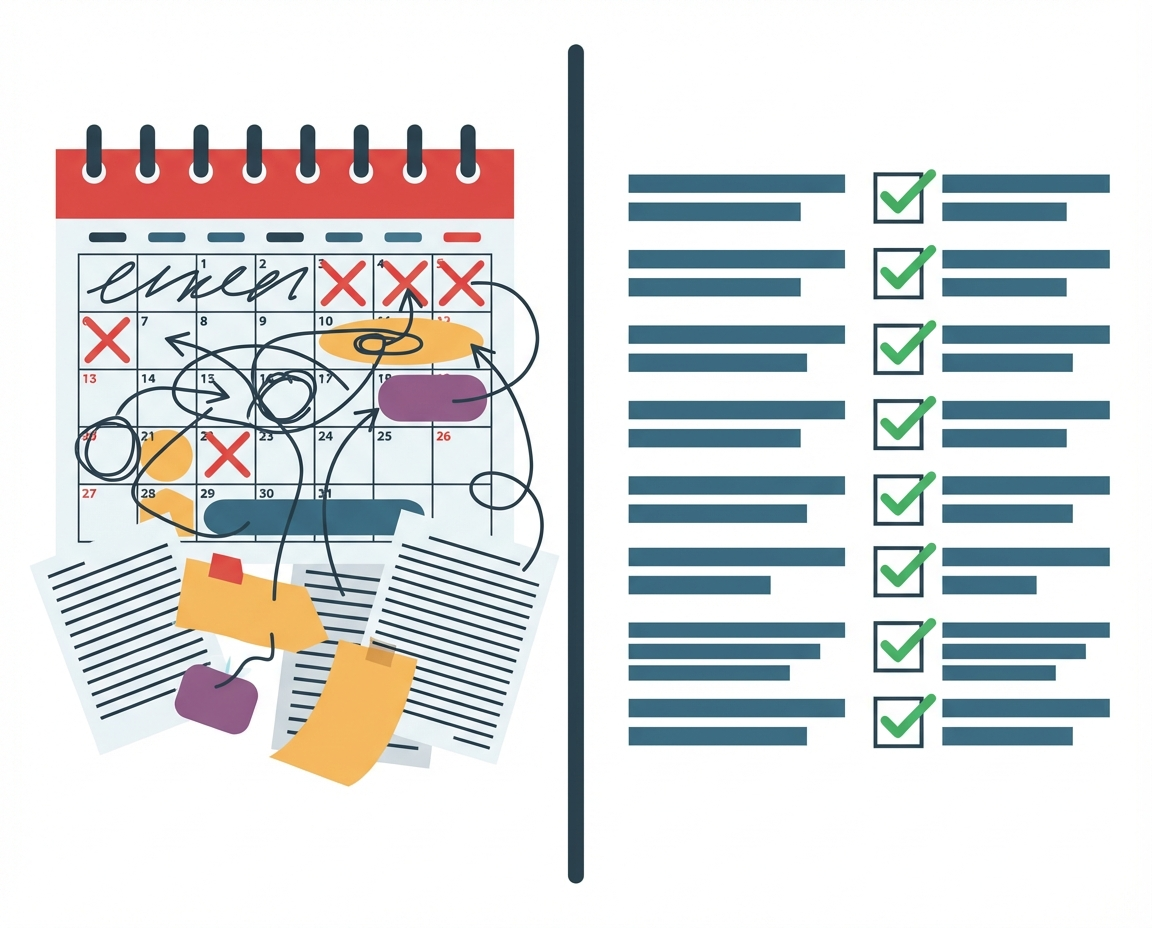
While ADDIE is thorough, it is often criticized for being too rigid or linear. In the modern tech world, we often prefer Agile methodologies that allow for rapid iteration and failing fast. ADDIE requires you to finish the design before you start developing, which means if you made a mistake in the analysis phase, you might not catch it until implementation.
However, for a busy manager who is not a professional instructional designer, the structure of ADDIE provides safety. Agile requires a high level of expertise to manage the chaos of constant changes. ADDIE provides a checklist. It ensures you do not forget to evaluate the results or analyze the audience. The trade-off is speed for thoroughness. You have to ask yourself if you need a solution tomorrow that is roughly correct, or a solution next month that is comprehensive.
When to Use This Framework
This framework is best utilized when you are building foundational training that will be used repeatedly. If you are creating an onboarding program for new hires that you want to use for the next two years, ADDIE is the right choice. It ensures the foundation is solid.
If you need to quickly teach the team about a minor software update that changes next week, this model is likely overkill. Use ADDIE for high-stakes, high-value content where accuracy and retention are critical. It allows you to sleep better knowing you have covered all the bases and provided your team with the best possible chance to succeed.