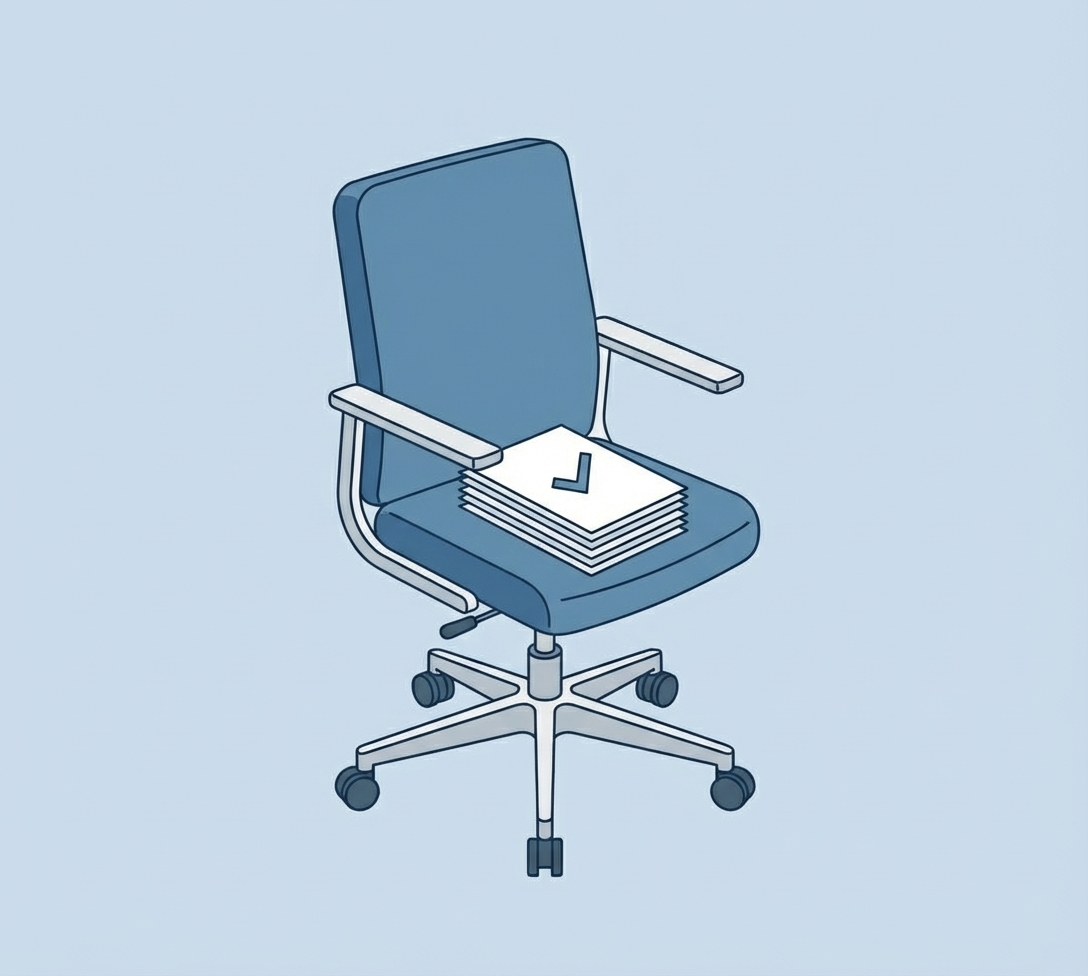
You are staring at an empty desk in your office or a grayed out avatar on your Slack channel. That empty space represents work not getting done. It represents potential revenue slipping through your fingers and increased pressure on your remaining team members who are already stretching themselves thin. The natural instinct is to fill that void as quickly as possible. You feel a sense of urgency bordering on panic because you want to relieve the pressure on your organization.
However, acting on that urgency often leads to a far more destructive outcome. This specific tension is what we call The Empty Chair
Paradox. It is the counterintuitive reality that enduring the silence of a vacancy is almost always preferable to introducing the noise and chaos of a poor hiring decision. While the empty chair is a known variable of missing productivity, a bad hire
is an unknown variable of cultural and operational damage.
Defining The Empty Chair Paradox
The Empty Chair Paradox argues that the organizational cost
of a vacancy is linear, while the cost of a bad hire is exponential. When you have an open role, you can calculate exactly what you are losing. You know which tasks are being dropped. You can quantify the overtime costs or the delay in project shipping dates. It is a painful but static problem.
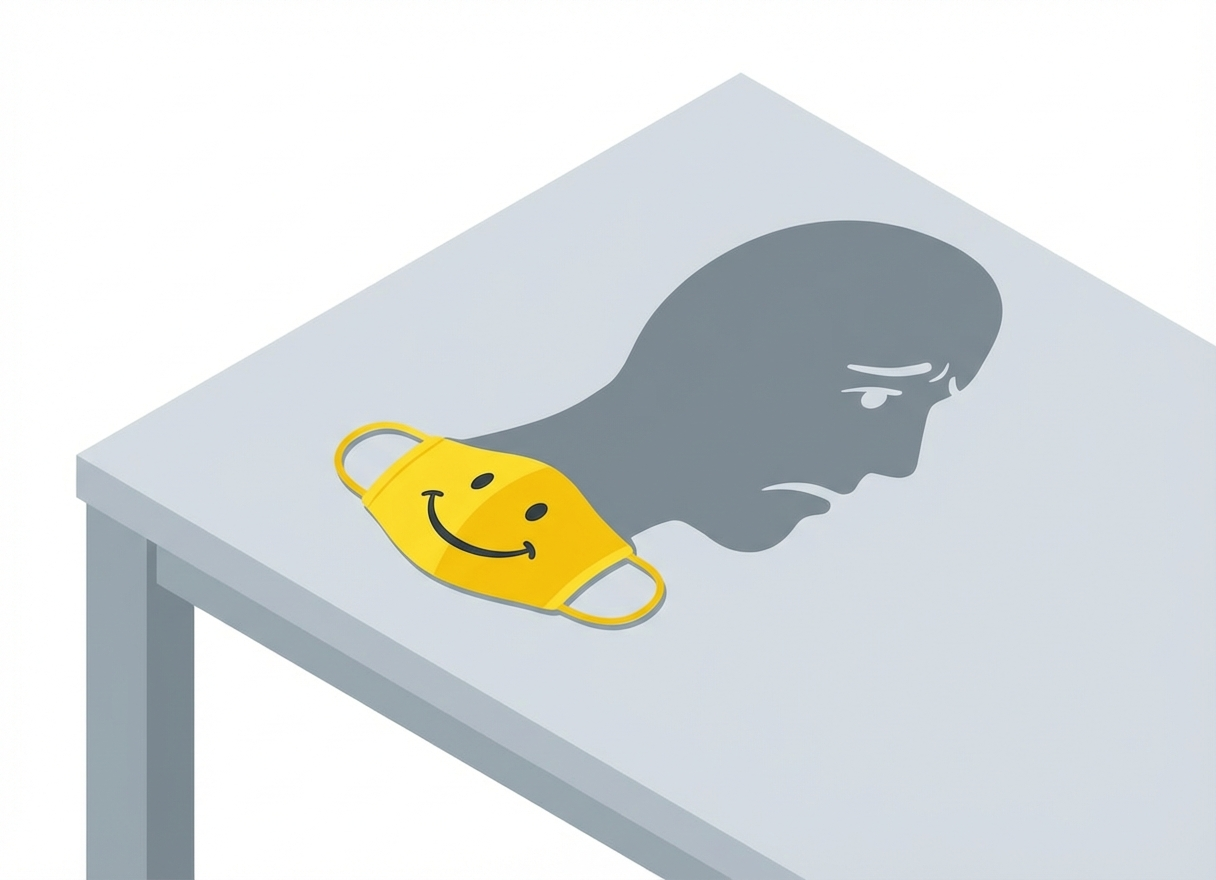
Conversely, placing the wrong person in that chair introduces dynamic problems that are difficult to predict or measure until it is too late. The paradox exists because our brains are wired to solve for immediate discomfort. We see a hole and want to plug it. Yet, experienced leaders learn that a plug that doesn’t fit causes leaks that can sink the whole ship.
The Anatomy of Bad Hire Chaos
To understand why the paradox holds true, we have to look at what actually happens when we hire out of desperation. The negative impact extends far beyond the salary paid to an underperforming employee. We must look at the ripple effects that touch every part of the operation.
Cultural erosion: A single toxic or mismatched employee can alter the psychological safety of an entire team. High performers
often disengage or leave when they are forced to work alongside poor performers.
Management debt: Managers spend a disproportionate amount of time correcting errors, retraining, and managing the emotions of a bad hire. This opportunity cost
prevents you from focusing on growth or strategy.
The replacement cycle: Eventually, you will have to fire the mismatch. This leads to legal risks, severance costs, and the emotional toll of termination. After all that, you are right back to the empty chair, only now your team is exhausted.Protect your team from bad fits
Comparing Vacancy Stress to Toxic Friction
When we analyze the stress of an empty chair, it usually manifests as workload distribution issues. This is a logistical challenge. It requires prioritization and perhaps the use of temporary contractors. It is a resource problem that has logical solutions.
The stress of a bad hire manifests as friction. It creates confusion in workflows, lowers the bar for quality, and introduces interpersonal conflict. Unlike a vacancy, which unites a team against a common challenge (the workload), a bad hire divides the team. Business owners must ask themselves if they are willing to trade the headache of extra work for the migraine of cultural dysfunction.
Scenarios For Holding the Line
There are specific times when adhering to The Empty Chair Paradox is critical for the survival of the business. Navigating these scenarios requires high emotional discipline.
Leadership roles: If you are hiring a manager or executive, a mismatch does not just affect one job; it affects everyone reporting to them. The blast radius of a bad leader is too high to risk a rushed decision.
Early stage startups: When a team is small (under 10 people), every personality represents a significant percentage of the company culture. One bad attitude is statistically significant enough to ruin the venture.
Highly technical roles: In fields requiring precision, correcting the work of an unqualified employee often takes longer than doing the work yourself or waiting for a qualified candidate.
Navigating the Unknowns
Adopting this mindset does not remove the fear that you are missing out on growth. It is frightening to turn down “good enough” candidates when your team is drowning in work. We still struggle to answer how long is too long to leave a seat open. At what point does the burnout of the current staff outweigh the risk of a bad hire? There is no scientific formula for this threshold.
The goal is not to enjoy the vacancy but to respect the gravity of the commitment. Hiring is the only business decision that is easy to do and incredibly hard to undo. By recognizing The Empty Chair Paradox, you give yourself permission to wait. You protect your team’s future by enduring a little pain in the present.