You are likely familiar with the late night worry that if you stop working, the entire machine
stops running. It is a common source of anxiety for business owners and managers who pour their energy into building something remarkable. You care deeply about your team
and your vision, yet you often find yourself acting as the bottleneck because so much crucial information lives exclusively in your head. This creates a fragile ecosystem where success depends entirely on your physical presence and constant input.
There is a specific mental model that addresses this tension. It helps leaders transition from operating a high stress job they created for themselves to owning a functional asset that serves them. It requires looking at your daily operations through a lens that might initially feel counterintuitive, especially if you plan
to run your business for the rest of your life.
Understanding The Exit Paradox
The Exit Paradox is the operational philosophy that you should build your business systems and processes as if you intend to hand over the keys to a buyer
tomorrow, even if your actual plan is to keep the company forever. The paradox lies in the fact that the very things making a business attractive to a potential acquirer are the exact same things that make it a joy for you to own and operate.
When a business is built to sell, it implies that the value of the company is not attached to the owner but to the systems the owner has built. By removing yourself from the critical path of every decision, you are not signaling a lack of passion. You are actually building a more robust structure that allows your team to thrive without your constant intervention.
The Mechanics of Transferable Value
At the heart of this concept is the idea of transferable value. If a stranger cannot walk in and understand how your business generates revenue, delivers value, and manages costs without calling you for an explanation, then the business has low transferable value. This is true even if you have zero intention of selling.
Key components include:
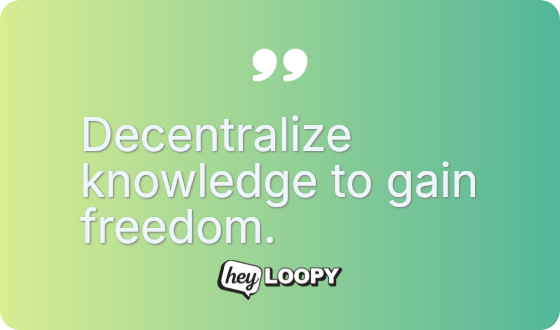
Decentralized Knowledge: Moving insights out of your brain and into accessible documentation.
Predictable Processes: Establishing standard operating procedures that ensure quality does not fluctuate based on who is doing the work.
Autonomous Teams: Empowering staff to make decisions based on clear guidelines rather than seeking permission.Make the process the hero.
By focusing on these mechanics, you reduce the risk of the business stalling if you get sick, take a vacation, or simply need a break to think strategically rather than tactically.
Owner Reliance vs. System Reliance
It is helpful to compare an owner reliant model against a system reliant model to see where The Exit Paradox provides clarity. In an owner reliant model, the manager is the hero who saves the day. This feels good emotionally in the short term but leads to burnout and creates a ceiling on growth.
In a system reliant model, the process is the hero. This approach forces you to ask difficult questions about your current management style. Are you hoarding information because it makes you feel necessary? Are you avoiding documentation because it feels tedious compared to the adrenaline of solving a crisis?
Scenarios for Applying The Exit Paradox
Applying this concept does not happen overnight. It is an iterative process of identifying friction points where the business relies too heavily on a single individual. You can apply this thinking in several practical scenarios right now.
The Vacation Test: Can you leave
for two weeks without checking email? If not, identify exactly what broke while you were gone and build a system to fix it.
New Hire Onboarding: Can a new employee get up to speed by reading your documentation, or do they need to shadow you for months? The Exit Paradox suggests your playbook should be clear enough for independent learning.
Decision Delegation: When a team member asks you a question, instead of answering, ask yourself if a policy exists that would have allowed them to answer it themselves. If not, create that policy.
The Psychological Hurdle
Embracing The Exit Paradox requires a shift in identity. You must move from being the player who scores the goals to the coach who designed the play. This can feel like a loss of control. It raises valid questions about your role and value within the organization you built.
However, the data suggests that businesses operating under this paradox are more resilient. They weather market changes better because the leader has the mental bandwidth to look ahead rather than staring constantly at the daily grind. By building a business ready to be sold, you grant yourself the ultimate luxury: the freedom to choose to keep it.