What is the SAM (Successive Approximation Model)?
You have likely felt the sinking sensation of spending weeks or months developing a training program for your team only to find it lands with a thud. The content was perfect in your head but somehow missed the mark with your staff. This is a common pain point for business owners who want to empower their people but get bogged down in the process of creating learning materials. The fear that you are wasting precious resources on ineffective training is real.
This is where the Successive Approximation Model, or SAM, offers a different path. It moves away from the rigid planning of traditional methods and leans into the reality that we rarely get things right the first time. Instead of waiting for perfection, it encourages you to build something small, test it, and improve it. It is a permission slip to be messy at the start so you can be effective at the finish.
What is the Successive Approximation Model?
SAM is an agile instructional design model created to address the performance problems inherent in linear development processes. In the context of managing a team, it is a method for creating learning experiences that focuses on repetitive small steps rather than one giant leap. The core philosophy is that no one knows exactly what the final product should look like at the beginning of the project.
It works on the concept of rapid prototyping. You create a rough version of your training material quickly. You show it to key members of your team. You gather feedback immediately. Then you refine it.
This approach helps alleviate the stress of needing to be an expert instructional designer. It shifts the focus from documentation and theory to action and usability. It acknowledges that you are building the plane while flying it, which is often the reality for growing businesses.
The Three Phases of SAM
While there are variations of the model, SAM generally follows a recursive cycle that involves three distinct phases designed to catch errors early.
- Preparation: This is the information gathering stage. You look at what your team already knows and what the background is. This is usually very fast.
- Iterative Design: This typically starts with a “Savvy Start” meeting. This is a brainstorming session involving all stakeholders to prototype ideas immediately. You rotate through design, prototype, and review cycles.
- Iterative Development: Once the design is proofed, you move to development. You develop the actual course, implement it, and evaluate it. Then you do it again until it is right.
This cycle ensures that if a training module is confusing or boring, you find out during the design phase, not after you have spent thousands of dollars or hours building the final version.
Comparing SAM to ADDIE
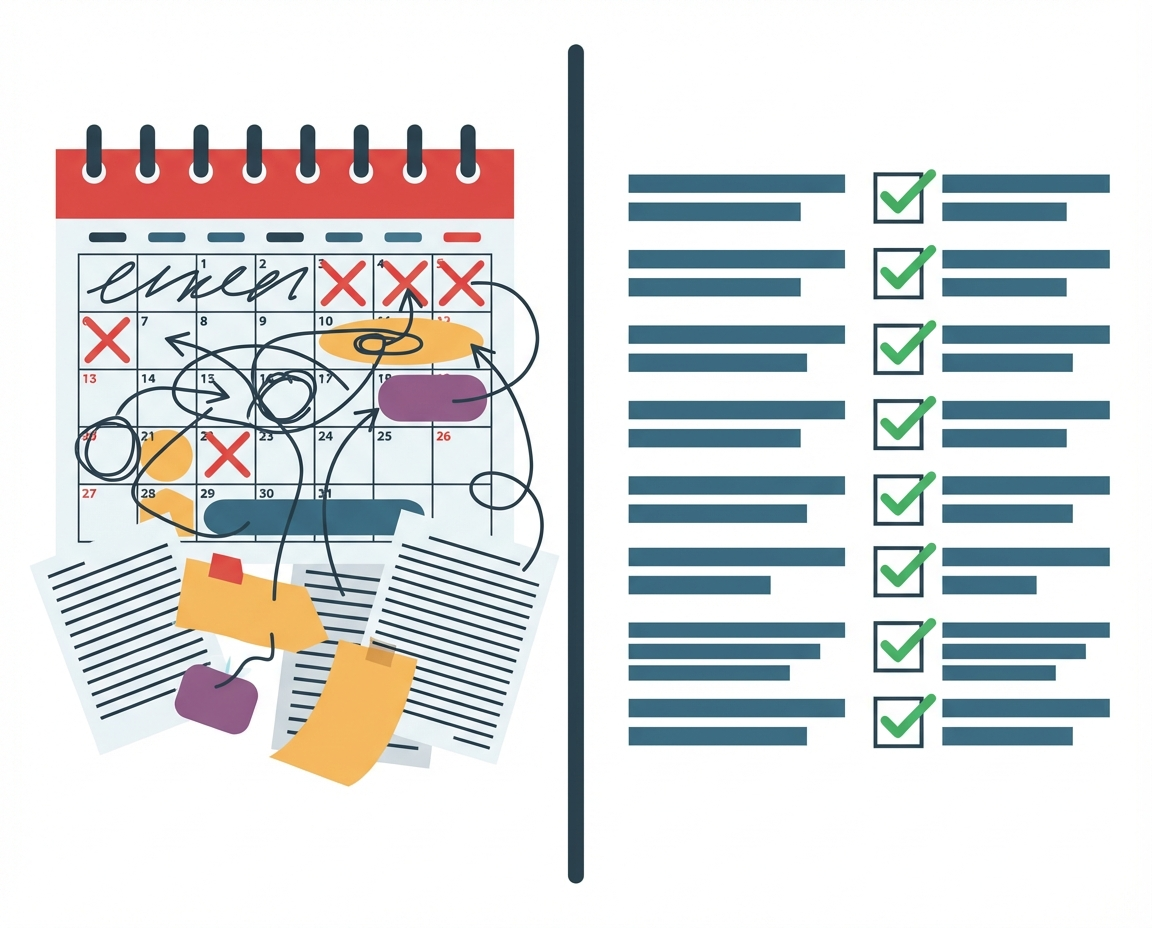
To understand SAM, it is helpful to look at what it replaces. The traditional standard for decades has been ADDIE (Analyze, Design, Develop, Implement, Evaluate). ADDIE is a waterfall method. You finish step one completely before moving to step two.
- ADDIE is linear: If you made a mistake in the analysis phase, you might not realize it until the evaluation phase months later.
- SAM is cyclical: You are constantly evaluating. If the prototype fails, you fix it immediately.
For a busy manager, ADDIE often feels like bureaucracy. It requires heavy documentation and sign-offs. SAM feels like entrepreneurship. It values a working product over comprehensive documentation. It creates momentum rather than stalling out in the planning phase.
When to Use SAM for Training
SAM is not a magic bullet for every scenario, but it thrives in environments where speed and flexibility are critical. If you are launching a new product and need to train sales staff next week, you do not have time for a linear process. You need a prototype now.
Consider using SAM when:
- The subject matter is complex or not fully defined.
- You need to get training out to the team quickly.
- You want high collaboration and feedback from your staff.
- You are unsure of the best format for the content.
Navigating the Uncertainty of Iteration
Adopting SAM requires a mindset shift that can be uncomfortable. It asks you to show work that is not finished. It requires you to be vulnerable with your team and admit that you do not have all the answers yet.
There are questions you have to grapple with in this model. How many iterations are too many? At what point does “good enough” become the final standard? There is a risk of iterating forever without ever finalizing the project.
However, the trade-off is often worth it. By involving your team in the review process early, you build trust. They see that you are working to provide them with tools that actually help them succeed, rather than handing down a mandate from on high. It transforms training from a chore into a collaborative effort to build a stronger business.