What is Upskilling?
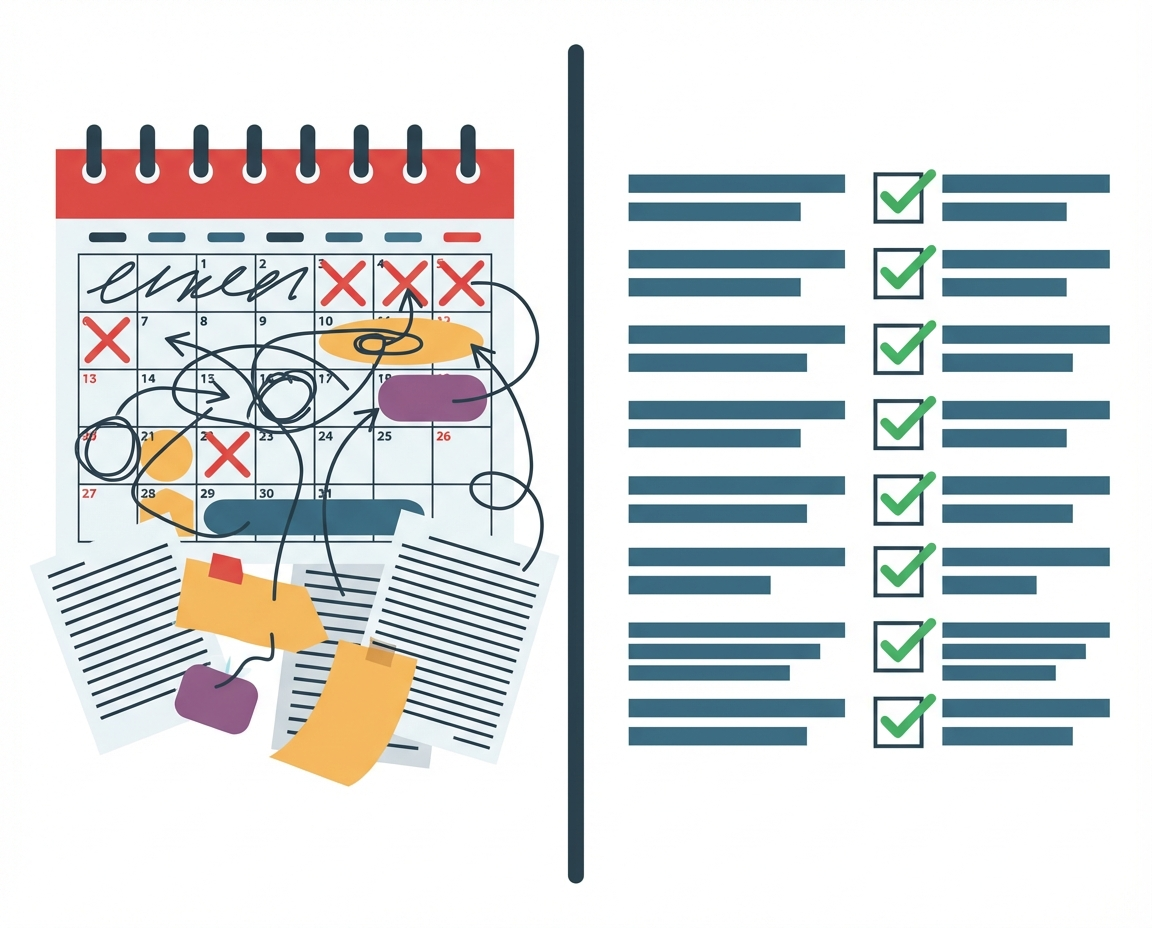
You are lying awake at night and staring at the ceiling. It is a familiar scenario for anyone who cares deeply about the business they are building. You worry that the market is moving faster than your internal capabilities. You look at your team and you see dedication and loyalty but you also see gaps. You fear that if you do not fix those gaps soon the business will stall or you will burn out your best people trying to compensate for what they do not know.
This is where the concept of upskilling comes into play. It is not just a buzzword used in corporate seminars. It is a practical tool for alleviating the anxiety that comes with managing a growing organization. It allows you to build a bridge between where your team is now and where they need to be without the chaos of hiring an entirely new workforce.
Understanding what Upskilling really means
At its core upskilling is the process of teaching your current employees new skills. The goal is to help them perform their existing jobs better or to close a specific talent gap that has emerged due to changes in technology or process. It is an investment in depth.
Think of it as software maintenance for human capital. You are not uninstalling the operating system and starting over. You are patching in new features and optimizing performance. This approach acknowledges that your current team has valuable institutional knowledge that takes years to acquire. By adding specific technical or soft skills to their repertoire you leverage that existing trust and context while modernizing their output.
Upskilling compared to Reskilling
It is easy to confuse upskilling with reskilling but the distinction is vital for a manager trying to allocate limited resources. Understanding the difference helps you decide which strategy alleviates your specific pain point.
- Upskilling: This focuses on vertical growth or enhancement. An accountant learning a new cloud-based financial software is upskilling. They are still an accountant but now they are a faster and more efficient one.
- Reskilling: This focuses on lateral movement. A warehouse manager learning to code so they can move into the IT department is reskilling. They are leaving one role to occupy a completely different one.
For the stressed business owner upskilling is often the more immediate salve. It addresses the fear that your current team is becoming obsolete. It proves you are willing to help them evolve which builds immense trust and loyalty.
When to prioritize Upskilling
- Technology Shifts: When you introduce a new CRM or project management tool you must upskill the team on how to use it effectively rather than assuming they will figure it out.
- Role Expansion: When a team member shows potential but lacks a specific certification or technical ability to take the next step.
- Retention Dips: When you sense stagnation in the culture. High performers often leave because they feel they have stopped learning. Upskilling provides a renewed sense of purpose.
The scientific approach to implementation
We often rely on intuition when managing people but there is value in looking at upskilling through a more clinical lens. It is about closing the delta between current capability and required output. However we must also ask questions that do not have easy answers.
How do we measure the return on investment for a course on emotional intelligence versus a course on Python scripting? Is there a point of diminishing returns where we are overloading staff with information they cannot apply immediately? These are the variables you must weigh.
Start small to test these variables:
- Identify one critical gap in your operations.
- Select one employee who has shown aptitude in that area.
- Provide a specific targeted learning opportunity.
- Monitor the change in their output over thirty days.
Reducing the fear of the unknown
The biggest stressor for a manager is the unknown. You do not know what you do not know. Upskilling is a way to systematically reduce that darkness. By fostering an environment where learning is continuous you create a safety net.
You are telling your team that they do not need to be perfect today but they do need to be better tomorrow. This removes the pressure of perfection and replaces it with the manageable goal of progress. It allows you to stop worrying about being left behind and start focusing on building a team that is capable of adapting to whatever comes next.