What is Value Stream Mapping and How Does It Support Busy Managers?
4min read
As a business owner or manager, you likely feel the weight of constant decision making
. Every day brings a new set of puzzles to solve, and the fear that you might be missing a critical piece of the operation is a common source of stress. You want to build something that lasts, but when the workflow feels opaque, it is difficult to lead with confidence. Value stream mapping
is a foundational lean
management tool
that helps remove this uncertainty. It is a method used to analyze the current state of a process and design a future state for the series of events that take a product or service from the beginning of a customer request to its final delivery.
This approach is not about creating complex diagrams for the sake of documentation. It is about gaining a clear, shared understanding of how value actually moves through your organization. By visualizing the flow of both information and materials, you can see where your team is thriving and where they are getting bogged down by unnecessary hurdles.
Visualizing Work via Value Stream Mapping
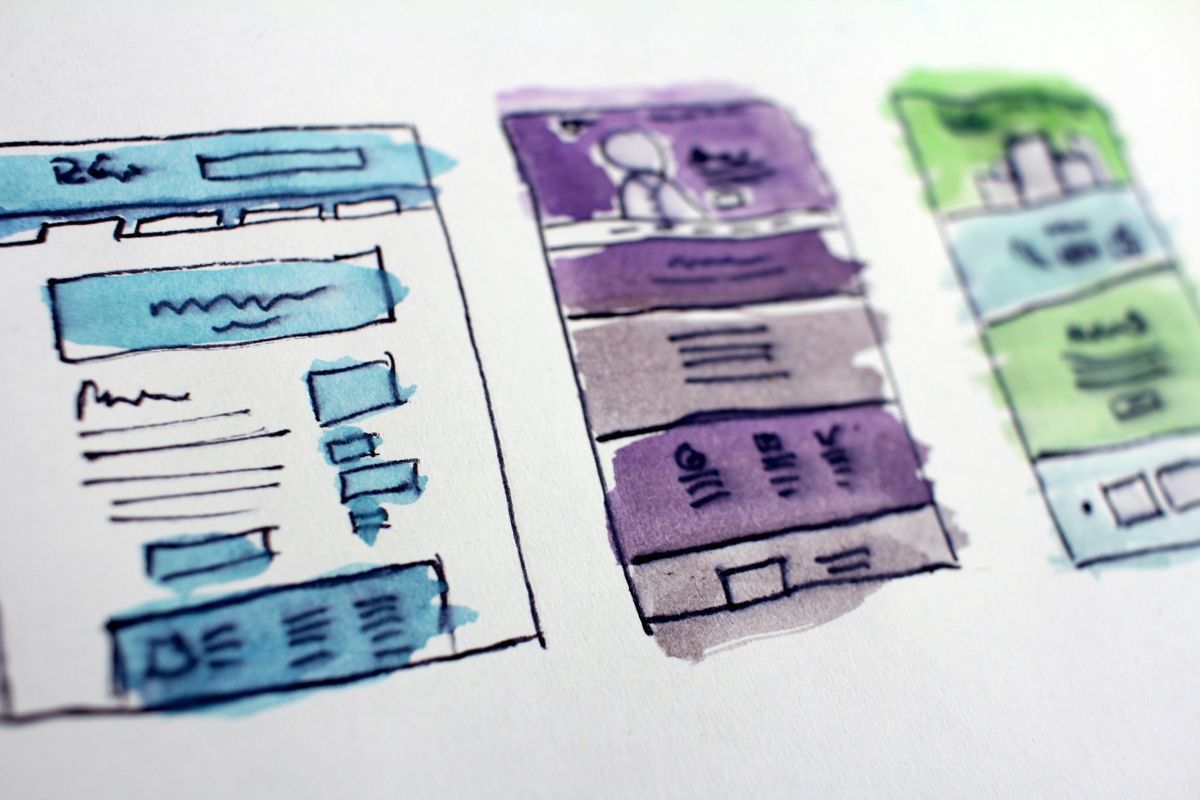
The core of this methodology involves creating a visual map
that documents every step in your business process. Unlike simple lists, this map captures the relationship between different tasks and the time it takes to move between them. It requires you to look at your business as a single, continuous flow rather than a collection of isolated departments. This perspective shift is often where managers find the most relief, as it identifies the specific points where work stops and waits.
When you engage in value stream mapping, you typically follow these steps:
Identify the specific product or service family you want to analyze.
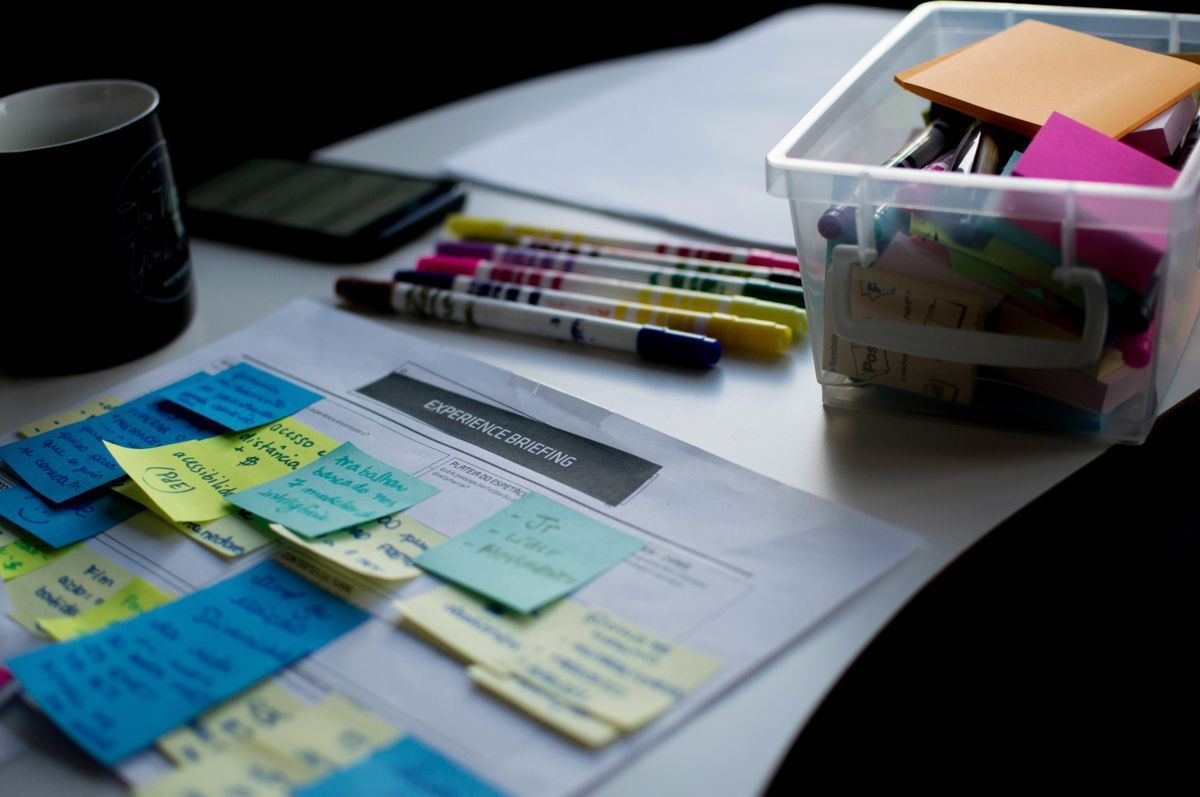
Document the current state by observing the work as it actually happens, not as you think it should happen.
Measure the time spent on each task and the delay between tasks.
Create a future state map that eliminates non-value-added activities.
Identifying Hidden Waste in the Value Stream
A primary goal of value stream mapping is to reveal waste that is otherwise invisible in daily operations. In a business context, waste is any activity that consumes resources but does not add value for the customer. For a manager, identifying this waste is an opportunity to reduce the unnecessary pressure on your staff. When processes are lean, the team can focus on the impactful work they were hired to do.
Common types of waste identified through this method include:
Clarity reduces team anxiety.
Overproduction or creating more than is currently needed by the next step.
Waiting periods where staff are idle while expecting information or approvals.
Excess motion or unnecessary movement by employees to complete a task.
Defects that require rework and drain team morale.
How much of your current stress comes from these hidden delays? By surfacing these issues, you can address the root causes rather than just treating the symptoms of a busy schedule.
Distinguishing Process Maps from Value Stream Mapping
It is common to confuse value stream mapping with traditional process mapping, but they serve different functions. A process map typically looks at a specific sequence of tasks within a single department. It is a microscopic view of how a job is done. In contrast, value stream mapping is a macroscopic view. It looks at the entire journey of a product across multiple departments and even outside suppliers.
While a process map might show you how a technician repairs a device, a value stream map shows you how the device moved from the customer to the technician and back again. One focuses on the work, while the other focuses on the flow. For a manager, the value stream map is often more useful for strategic decision making because it highlights the bottlenecks that exist between teams, which are often the primary source of organizational friction.
Practical Applications of Value Stream Mapping
You do not need to be a manufacturing giant to use these insights. Small business owners and office managers can apply these principles to almost any recurring workflow. The goal is to create a solid foundation so your business can grow without becoming a chaotic environment for your employees.
Consider using this method in the following scenarios:
When you are preparing to scale your team and need a repeatable process.
When customers are reporting delays despite your team working long hours.
When you are introducing new software and want to ensure it solves a real problem.
When you want to empower your team to suggest their own improvements based on objective data.
By laying out the facts of your workflow, you provide your team with the guidance they need to succeed. This clarity builds trust and allows everyone to move forward with a shared vision of what a successful, efficient business looks like.