You sit at your desk at five in the evening and your head is buzzing. It is not the kind of tiredness that comes from physical labor or even high level problem solving. It is a specific, foggy weight that settles behind your eyes after a day of staring at a tiled grid of faces. As a manager, you care about your team
. You want them to feel connected. But you are starting to notice that the very tool meant to bring you together is actually driving a wedge of exhaustion between you and your work.
This phenomenon is not just in your head. It is a documented neurological experience that affects almost everyone working in a remote or hybrid capacity. If you feel like you are working harder to achieve the same results in a meeting than you used to, it is because your brain actually is. Understanding why this happens is the first step toward building a more sustainable way for your team to operate.
Understanding Zoom Fatigue
Zoom fatigue refers to the mental and physical exhaustion resulting from the frequent use of video
conferencing platforms. While the term uses a specific brand name, it applies to any tool that requires real time video interaction. It is distinct from general work burnout because it is specifically tied to the cognitive load of virtual
communication.
In a standard work day, you might have five or six calls. Each one requires a level of performance that is not present in face to face meetings. You are constantly aware that you are being watched. This creates a state of hyper arousal. You are not just a manager listening to a report. You are a person on a stage, and that stage is located inches from your eyes.
The Science of Digital Interaction
Why does a thirty minute video call feel harder than an hour at a coffee shop? The answer lies in how our brains process information. In person, we rely on hundreds of non verbal cues. We see the way someone shifts their weight or the way they breathe before they speak. On video, these cues are often lost or distorted.
Constant self evaluation occurs because you can see your own face throughout the call.
Millisecond delays in audio cause the brain to work harder to sync words with mouth movements.
The lack of physical mobility limits the brain’s ability to stay refreshed.
There is also a question of eye contact
. In a normal conversation, people do not stare at each other for 100 percent of the time. They look at their notes or out a window. In a video call, the social pressure to look directly at the camera
creates an unnatural intensity that the brain interprets as a stressful encounter.
Virtual Meetings versus In Person Collaboration
When you are in a physical room with your team, you share a common environment. You are all breathing the same air and seeing the same walls. This shared context reduces the effort required to feel connected. In a virtual space, every person is in a different environment with different lighting and backgrounds. Your brain has to work to filter out those irrelevant visual details.
Visual noise increases cognitive load.
Silence in a physical room is often a time for reflection.
Silence on a video call feels like a technical failure or a social awkwardness.
Physical movement in a room helps regulate energy levels while sitting still for video drains them.
We do not yet know the long term effects of this lack of shared space on team culture. Can a team truly build deep trust if they never share a physical context? This is a question many managers are currently grappling with. It may be that video is excellent for information transfer but poor for emotional bonding.
Scenarios that Trigger High Fatigue
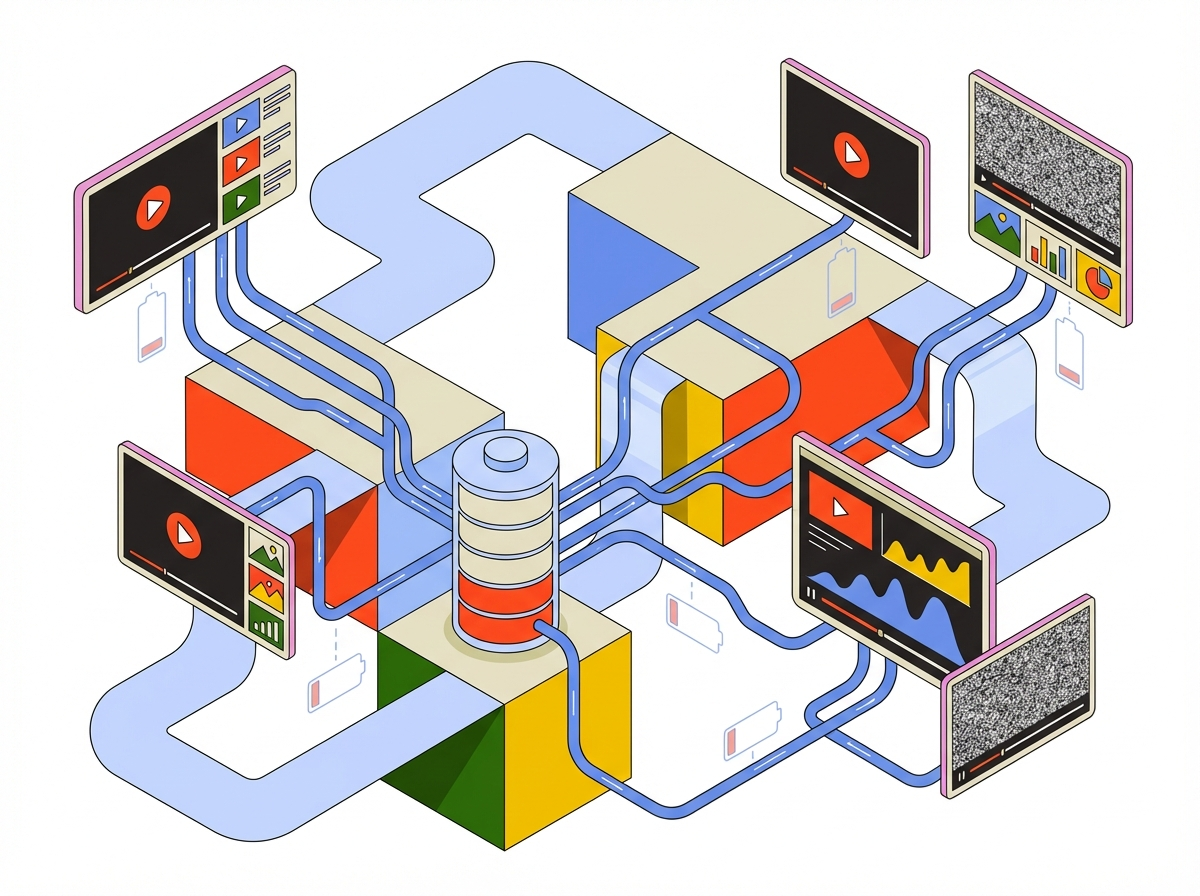
Not all calls are created equal. Some interactions will drain your battery much faster than others. Recognizing these scenarios allows you to plan your day more effectively and protect your team from unnecessary strain.
Large group meetings where you have to monitor twenty different faces simultaneously.
High stakes negotiations where every micro expression feels like it needs to be decoded.
Back to back scheduling that leaves no time for the brain to switch contexts.
Calls where the audio quality is poor, forcing the brain to fill in the gaps of missing sounds.
If you find yourself or your staff becoming irritable or losing focus during these specific types of calls, it is likely a sign of cognitive overload. The brain is simply shutting down to protect itself from too much stimuli.
Strategies for the Busy Manager
As a leader, you have the power to change the norms of your organization. You can reduce the burden on your staff by making small, practical changes to how you communicate. This does not require a massive overhaul of your business model, just a shift in how you value your team’s mental energy.
Make cameras optional for internal meetings to allow people to look away or move.
Encourage the use of the hide self view feature so people stop monitoring their own reflections.
Switch to phone calls for one on one check ins while walking to encourage movement.
Implement twenty five or fifty minute meeting blocks to ensure there is time to stand up between sessions.
By acknowledging the reality of this exhaustion, you show your team that you value their well being over the performance of digital presence. This builds the trust and longevity you need to create a truly remarkable business. You are not just building a product or a service. You are building a culture that respects the human limits of the people who make your vision possible.