Designing for the Distracted Learner in a Skills Based Organization
Running a business is a relentless pursuit of balance. You are likely sitting at your desk right now with several tabs open, a phone buzzing in your pocket, and a mental list of tasks that never seems to shrink. Your employees are in the exact same position. When we talk about moving toward a skills based organization, we often treat it like a technical upgrade. We focus on the databases, the skill taxonomies, and the software. But we often forget the human element. The transition to prioritizing skills over traditional job titles requires a fundamental shift in how we approach learning and development. It is not just about what people need to know, but how they are actually going to learn it in the middle of a chaotic workday.
Moving to this model means you are looking to allocate talent to tasks effectively. You want to ensure that if a project requires data analysis, you have a clear view of who possesses that skill regardless of their current department. This transition promises more agility and better retention, but it relies heavily on the quality of your talent development pipeline. If the pipeline is built on the assumption that employees have hours of uninterrupted time to study, it will fail. We need to look at the learner experience through a lens of empathy, recognizing that your staff is tired, busy, and often overwhelmed.
Navigating the shift to a skills based organization
The core of a skills based organization is the decoupling of work from fixed job descriptions. Instead of hiring a marketing manager, you are hiring a collection of skills like copywriting, strategic planning, and brand management. This allows for a more fluid workforce where people can move where they are needed most. However, the anxiety for a manager often lies in the execution. How do you map these skills? How do you ensure your team is actually gaining these competencies?
- Identify the core skills that drive your specific business value.
- Document the current skills of your team without judgment or bias.
- Create a gap analysis to see where your business is vulnerable.
- Develop a roadmap for how employees can acquire missing skills.
This process is stressful because it reveals what we do not know. It highlights the gaps in our own leadership and the potential weaknesses in our team. But acknowledging these gaps is the first step toward building something solid. It is about moving away from the fluff of high level strategy and getting into the practical mechanics of how work gets done in your office every day.
Understanding empathy in the learner experience
Empathy in a business context is often misunderstood as being soft. In reality, empathy is a strategic tool. When we talk about the learner experience, empathy means acknowledging the physical and mental state of the person trying to acquire a new skill. Your employees care about the business, but they also care about their own stress levels and their ability to get their primary work done. If we ignore this, we create training programs that feel like a burden rather than an opportunity.
When you design a learning path, you must ask what the environment looks like for the person on the other side. Are they taking this course in a quiet room? Probably not. They are likely squeezing it in between meetings. By centering the learner experience on the actual human being, we reduce the friction of skill acquisition. We move away from forced compliance and toward genuine growth. This builds trust because it shows the team that you value their time and understand their daily struggles.
Designing for the reality of the distracted learner
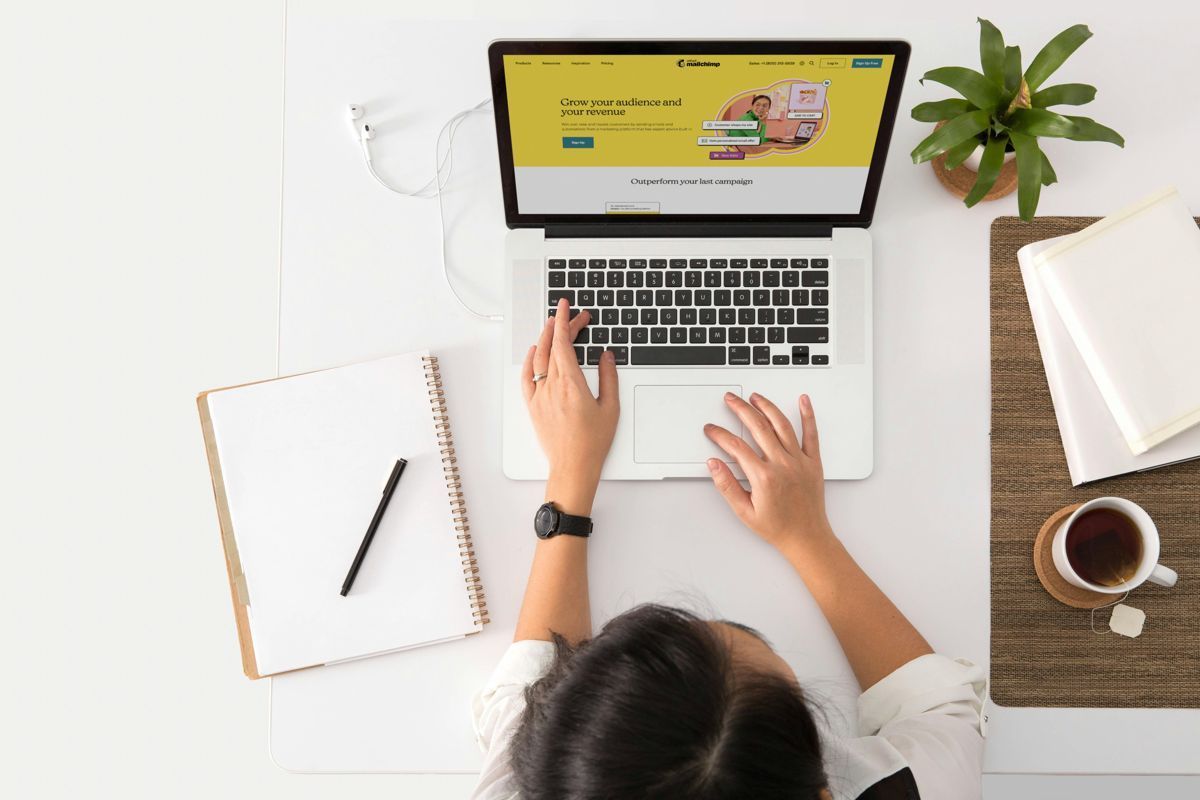
We must challenge the common assumption that learners give us their undivided attention. Most corporate training is designed as if the student is in a vacuum. We assume they are hanging on every word. In reality, the learner is switching between browser tabs. They are answering urgent emails from clients. They are sipping coffee and perhaps thinking about what they need to pick up for dinner. This is the distracted learner.
Designing for distraction means creating content that is resilient. If an employee is interrupted three times during a ten minute module, can they still get the core point? We should reflect on several design choices:
- Use clear and concise headers that anchor the main ideas.
- Break complex topics into small, digestible units that take five minutes or less.
- Provide summaries at frequent intervals to reinforce the message.
- Ensure the most important information is presented first, not buried at the end.
By assuming the learner is distracted, we actually make the content better for everyone. It forces us to be more precise and to strip away the unnecessary jargon that often clogs up business communication. It acknowledges the reality of the modern workplace rather than pretending we still live in an era of long, quiet study hours.
Comparing traditional roles with skill based mapping
Traditional roles are built on the idea of a fixed silo. You have a job title, and that title dictates your tasks. Skill based mapping, however, treats the organization like a marketplace of capabilities. In a traditional setup, if a person leaves, you have a massive hole in your department. In a skills based setup, you know exactly which skills left and you can see who else in the company can step in to fill that specific void.
Traditional hiring focuses on past titles and degrees. Skill based hiring focuses on proven competencies. This is a significant shift for a busy manager. It requires you to look past a resume and look at what a person can actually do. This approach reduces the fear of making a bad hire because you are testing for specific needs rather than general experience. It provides a more objective way to measure progress and growth within your existing team.
Practical scenarios for hiring and retaining talent
Consider a scenario where you need to hire a new project manager. Instead of looking for someone who has held that exact title for five years, you look for the component skills: risk assessment, stakeholder communication, and budget management. You might find an internal employee in a different department who has two of those three skills and is eager to learn the third. This saves you the cost of external hiring and increases employee loyalty.
For retention, imagine an employee who feels stagnant in their current role. In a skills based organization, you can offer them a clear path to learn a new, high value skill that interests them. This keeps them engaged without requiring a full promotion or a change in their fundamental job description. It allows them to grow in place, which reduces the stress on you to constantly find new talent to fill vacancies.
Addressing the unknowns in modern workforce development
While the shift to a skills based model is promising, there are still many questions we have not fully answered. For instance, how do we accurately measure the retention of a skill when it is learned in a distracted state? We know that micro-learning works for immediate tasks, but does it build the deep, foundational knowledge required for long term innovation? These are questions you should consider as you implement these changes in your own business.
- How much depth is sacrificed for the sake of accessibility?
- Can complex leadership qualities be broken down into discrete skills?
- How do we ensure that the focus on individual skills does not erode the sense of team and community?
Surfacing these unknowns is not a sign of weakness. It is a sign of a thoughtful manager. As you build your organization, keep these questions in mind. You do not need to have all the answers today. What matters is that you are building something solid and remarkable, and that you are willing to learn alongside your team. By focusing on the learner experience and accepting the reality of the distracted mind, you are creating a more resilient and empathetic workplace.







